
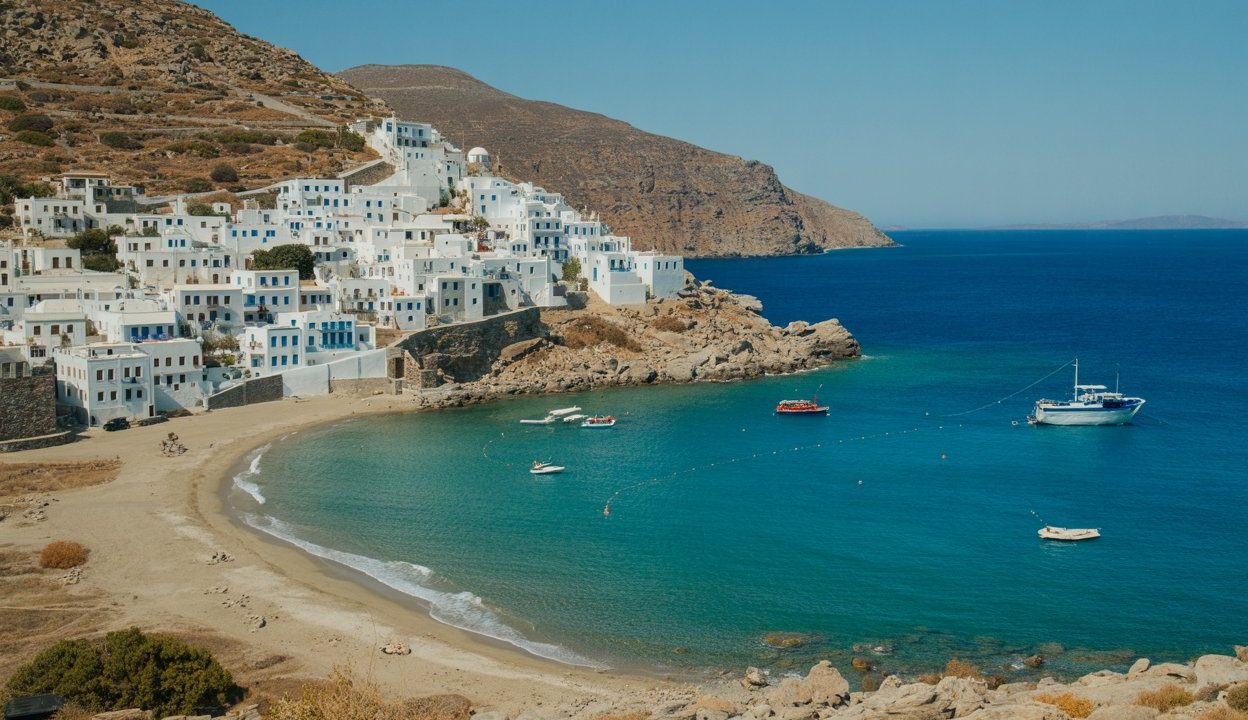
A conflict thousands of miles away is quietly reshaping where people fly, how much they pay to get there, and whether some of the world’s most sought-after destinations remain within reach for ordinary travellers. Escalating geopolitical tensions in the Middle East are disrupting key aviation corridors that link Europe, Asia, and Africa — and the ripple effects are now washing up on the beaches of Southeast Asia and the Maldives.
Airlines are rerouting long-haul flights to avoid restricted or unsafe airspace, pushing up fuel costs and journey times. For travellers who had been planning holidays to Thailand, Bali, or the Maldives in 2026, that means higher ticket prices, fewer direct options, and in some cases, trips being quietly shelved altogether.
The situation is a sharp reminder of just how tightly global tourism is wired to geopolitical stability — and how quickly instability in one region can drain demand from destinations that seem entirely unrelated to the conflict.
How Middle East Conflict Is Rewriting the Aviation Map
The Middle East sits at the geographic heart of some of the busiest aviation corridors on the planet. Flights connecting Europe to South and Southeast Asia, and Africa to East Asia, routinely pass through or near this airspace. When that airspace becomes restricted — whether due to active conflict, military activity, or safety advisories — airlines have no clean alternative.
The International Civil Aviation Organization has long tracked how airspace closures force carriers onto longer, costlier paths. In the current environment, that is exactly what is happening. Airlines are burning more fuel, scheduling longer flights, and absorbing higher operating costs. Some of those costs get passed directly to passengers through elevated fares.
Gulf carriers, which have built their entire business model around operating through Middle Eastern hubs to connect the world, are among the most exposed. Any disruption to regional airspace doesn’t just affect one or two routes — it can cascade across an entire global network.
What This Means for Southeast Asia and Maldives Tourism
The practical consequences for tourism are becoming visible. Demand for long-haul holiday travel to Southeast Asia and the Maldives — destinations that depend heavily on visitors from Europe and the Gulf — is showing signs of softening in 2026.
Several factors are compounding the pressure:
- Higher airfares caused by rerouted flights and increased fuel costs are making long-haul holidays more expensive.
- Longer journey times, a direct result of avoiding restricted airspace, reduce the appeal of what were already demanding trips.
- Travellers from Gulf states, who represent a significant share of Maldives visitors in particular, are navigating their own uncertainty as the conflict evolves closer to home.
- European travellers, already sensitive to cost after years of economic pressure, are reconsidering whether a long-haul trip is worth the added expense and disruption.
| Factor | Effect on Tourism | Regions Most Affected |
|---|---|---|
| Airspace restrictions | Airlines forced onto longer, costlier routes | Southeast Asia, Maldives |
| Rising fuel costs | Higher airfares passed on to travellers | Europe-to-Asia corridors |
| Longer journey times | Reduced appeal of long-haul travel | All long-haul destinations |
| Gulf traveller uncertainty | Softening outbound demand from Gulf states | Maldives, Southeast Asia |
| European cost sensitivity | Travellers opting for closer, cheaper alternatives | Southeast Asia |
Who Feels This the Most — and Why It Matters Beyond Tourism
The destinations bearing the sharpest end of this disruption are those that rely most heavily on long-haul visitors. The Maldives, for instance, has almost no domestic tourism market — the entire economy is built on international arrivals. A sustained drop in demand from Europe and the Gulf doesn’t just mean quieter resorts; it means real economic strain for an island nation with limited alternatives.
Southeast Asian destinations face a similar dynamic, though they have more geographic and demographic diversity to absorb some of the shock. Countries like Thailand, Indonesia, and Malaysia draw visitors from a wide range of origins. But European and Gulf travellers represent premium-spending segments — their absence is felt disproportionately in revenue terms even if raw visitor numbers don’t collapse entirely.
For airlines, the calculus is equally uncomfortable. Rerouting flights protects passenger safety but erodes margins at a time when many carriers are still rebuilding from the financial damage of the pandemic years. Some routes that were only marginally profitable before the conflict may simply become unviable if disruptions persist.
What Happens Next for Airlines and Travel Destinations
The trajectory of this disruption depends heavily on how the conflict in the Middle East evolves. If instability eases and airspace restrictions are lifted, airlines can return to their optimised routes, costs can normalise, and demand may recover relatively quickly. Travel markets have shown a capacity to rebound fast when conditions improve.
If the situation persists or worsens through 2026, however, the effects could become more structural. Airlines may begin permanently adjusting their network strategies. Destinations in Southeast Asia and the Maldives may need to work harder — and spend more — to attract visitors from markets that are currently pulling back.

Tourism boards and hospitality operators in affected regions are watching the situation closely. The tools available to them — targeted promotions, partnerships with airlines on new routing options, incentives for travellers — can help cushion the blow but cannot fully substitute for the fundamental problem of access and cost.
What is clear is that geopolitical risk has re-entered the travel planning conversation in a serious way. For travellers and the industry alike, 2026 is proving that the world’s most beautiful destinations are only as accessible as the skies above them remain open.
Frequently Asked Questions
Why is the Middle East conflict affecting flights to Southeast Asia and the Maldives?
Key aviation corridors connecting Europe and Africa to Asia pass through or near Middle Eastern airspace. When that airspace is restricted due to conflict, airlines must reroute flights, making journeys longer and more expensive.
Which travellers are most affected by this disruption?
European and Gulf travellers are most affected, as they represent major source markets for Southeast Asia and the Maldives and rely most heavily on routes that pass through the impacted region.
Are ticket prices actually rising because of the conflict?
Yes. Rerouted flights consume more fuel, and airlines are passing those increased operating costs on to passengers through higher airfares on long-haul routes.
Is the Maldives particularly vulnerable to this kind of disruption?
The Maldives is especially exposed because it has virtually no domestic tourism market and depends almost entirely on international visitors, making it highly sensitive to any drop in long-haul demand.
Could demand recover quickly if the conflict eases?
Travel markets have historically shown the ability to rebound quickly when conditions improve, but a prolonged conflict could cause more lasting changes to airline networks and traveller behaviour.
What can destinations do to respond?
Tourism boards and operators can use targeted promotions and partnerships with airlines to encourage travel, but these measures cannot fully offset the core challenge of higher costs and reduced access caused by airspace disruptions.



Leave a Reply