
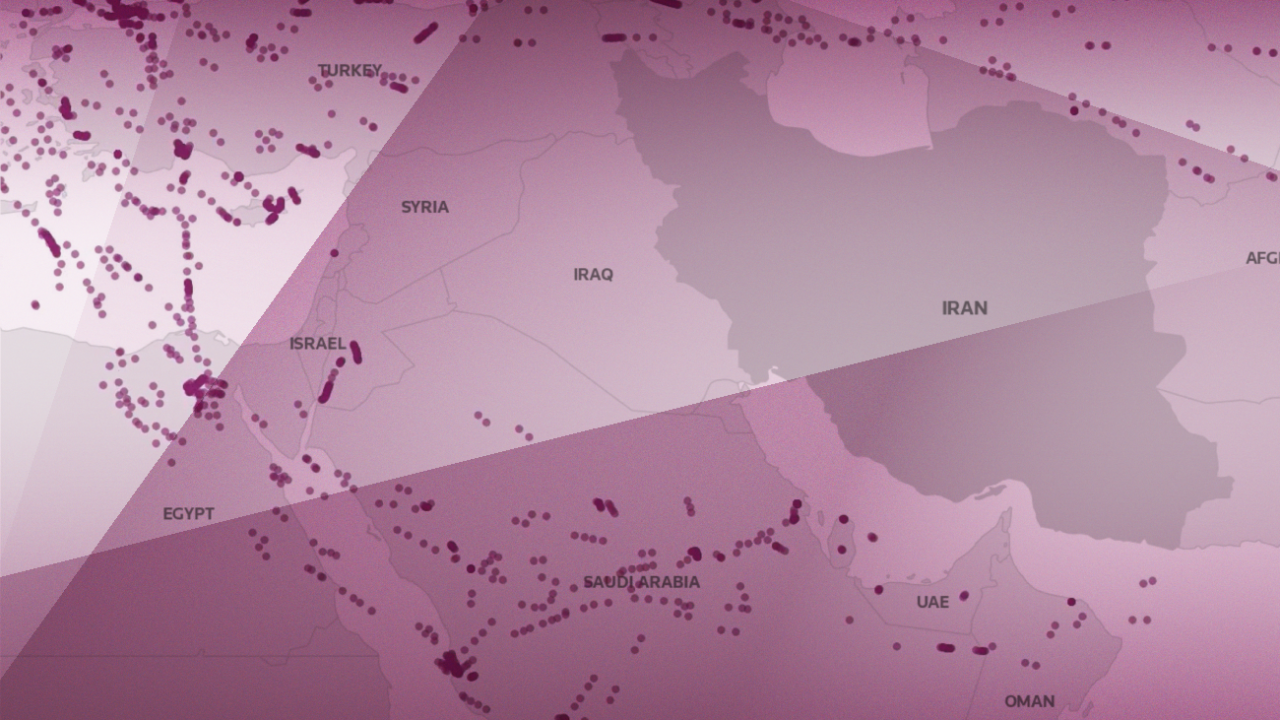
Major airlines across Europe, Asia, North America, and the Middle East have begun canceling, suspending, or rerouting flights as an escalating conflict in the Middle East forces widespread airspace closures — leaving travelers stranded, scrambling for alternatives, and facing uncertainty that could stretch well into April and beyond.
The disruption is hitting some of the world’s busiest aviation hubs hardest. Dubai, Doha, and Abu Dhabi — three cities that collectively serve hundreds of millions of passengers each year — are among the most severely affected, with flight schedules thrown into chaos as governments across the region close or restrict access to their airspace.
For anyone with travel plans to or through the Middle East right now, the situation is serious. And for the global aviation network more broadly, the ripple effects are only beginning to be felt.
What Is Driving the Flight Cancellations Across the Middle East
The core of the problem is airspace. When governments close their skies — whether due to active conflict, military operations, or precautionary security measures — airlines have no choice but to reroute or cancel entirely. That is exactly what is happening now across a wide stretch of the Middle East.
The escalation of tensions centered on Iran and surrounding countries has prompted several governments to impose restrictions on civilian aircraft operating in their airspace. These aren’t minor adjustments. Closing or severely limiting access to key corridors forces airlines to find entirely different flight paths, often adding hours to journeys and, in many cases, making certain routes economically or logistically unworkable.
The result is a cascading series of cancellations that is affecting carriers on nearly every continent. Airlines from Europe, Asia, and North America — not just regional Middle Eastern carriers — are now actively pulling or modifying routes, and the timeline for when normal operations might resume remains unclear.
Which Hubs and Airlines Are Most Affected
The three major Gulf hubs — Dubai, Doha, and Abu Dhabi — are at the center of the disruption. These cities are not just destinations in their own right; they serve as critical connecting points for passengers traveling between Europe, Africa, Asia, and Oceania. When these hubs are compromised, the knock-on effects spread globally.
Airlines across multiple regions have begun cutting routes. The disruption is not limited to carriers based in the Middle East — European, Asian, and North American airlines that rely on Middle Eastern airspace as a transit corridor are equally exposed.
| Region | Impact Level | Nature of Disruption |
|---|---|---|
| Middle East (Dubai, Doha, Abu Dhabi) | Severe | Airspace closures, hub disruptions, widespread cancellations |
| Europe | Significant | Routes to and through the Middle East canceled or rerouted |
| Asia | Significant | Long-haul flights rerouted, adding time and cost |
| North America | Moderate | Transiting routes affected, some direct services suspended |
| Iran and surrounding countries | Critical | Airspace closed or restricted, source of broader regional closures |
What This Means for Travelers Right Now
If you have a flight booked to, from, or through the Middle East in the coming weeks, the situation demands immediate attention. Flight cancellations are not a future risk at this point — they are actively happening, and the disruption is expected to continue well into April.
Travelers are being urged to monitor their flight status closely and check official travel advisories issued by their governments. Many passengers are finding themselves forced to seek alternate routes, which can mean longer travel times, higher costs, and significant logistical headaches.
The practical consequences include:
- Flights to major Gulf hubs including Dubai, Doha, and Abu Dhabi are being canceled or rerouted with limited notice
- Connecting flights through the region are particularly vulnerable, as airspace closures affect transit corridors used by global carriers
- Travelers may need to rebook through entirely different routing, potentially adding significant time and cost to their journeys
- Governments in several countries have issued travel advisories related to the ongoing conflict, which may affect travel insurance coverage
- The disruption is not expected to resolve quickly — airlines are adjusting schedules through April and the timeline beyond that remains uncertain
What Happens Next for Global Air Travel
The immediate priority for airlines is managing the operational fallout — rebooking passengers, finding viable alternate routes, and communicating updated schedules as quickly as possible. For carriers with heavy exposure to the Gulf region, this is a significant undertaking.
The broader question — when airspace restrictions will be lifted and normal flight paths restored — depends entirely on how the geopolitical situation develops. Airlines are not in a position to set firm timelines when the underlying conflict remains active and unpredictable.
What is clear is that the disruption is not a short-term blip. Schedules are being modified through April, and industry observers note that prolonged conflicts in strategically important airspace have historically taken weeks or months to fully resolve from an aviation standpoint.
For now, travelers are being asked to stay flexible, check in frequently with their airlines, and prepare for the possibility that plans may need to change with little warning. The situation remains fluid, and the advice from airlines and governments alike is straightforward: do not assume your flight is operating as scheduled without verifying first.
Frequently Asked Questions
Which airports are most affected by the Middle East flight cancellations?
Dubai, Doha, and Abu Dhabi are among the most severely disrupted hubs, with widespread cancellations and schedule changes affecting flights in and out of these cities.
Why are airlines canceling flights to the Middle East?
Escalating conflict in the region, particularly involving Iran and surrounding countries, has led several governments to close or restrict their airspace, making many routes unworkable for commercial airlines.
How long will the flight disruptions last?
Airlines are adjusting operations well into April and beyond, but a firm end date has not been confirmed as the situation depends on how the regional conflict develops.
Are airlines from outside the Middle East also affected?
Yes. Carriers from Europe, Asia, and North America that use Middle Eastern airspace as a transit corridor are also canceling or rerouting flights.
What should travelers do if they have a booking affected by these cancellations?
Travelers are advised to closely monitor their flight status, check official government travel advisories, and contact their airline directly to explore rebooking options or alternate routes.
Will travel insurance cover cancellations caused by this conflict?
This has not been confirmed in available information — travelers should contact their insurance provider directly to understand what coverage applies given current government travel advisories.



Leave a Reply