
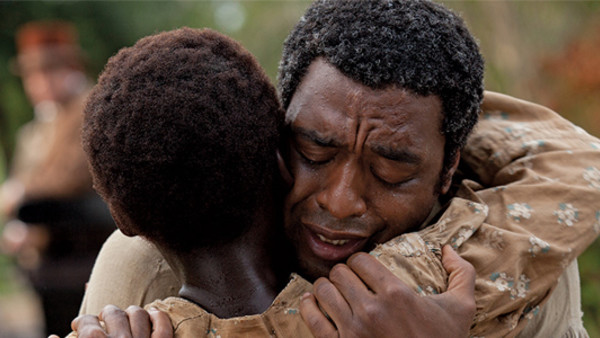
Some films are built to challenge you — not in a pretentious way, but in a way that genuinely tests your patience, your stomach, or your willingness to sit with discomfort for two hours straight. These are the movies that people warn each other about before pressing play.
Whether it’s relentless pacing, deeply upsetting subject matter, or a deliberate refusal to make things easy for the viewer, certain films earn a reputation as genuinely hard to get through. That reputation isn’t always a criticism. Sometimes it’s the highest possible compliment.
The topic of movies that are a genuine challenge to watch is one that draws real debate among film fans. What makes a film difficult? Is it graphic content, emotional devastation, structural complexity, or sheer runtime? Usually, the most challenging films combine several of these at once — and the ones that endure are the ones where the difficulty feels intentional and earned.
What Makes a Movie Genuinely Hard to Watch?
There’s a difference between a movie that’s unpleasant and a movie that’s challenging. Plenty of bad films are unpleasant to sit through for all the wrong reasons. The films that qualify as a genuine challenge tend to be the ones where the difficulty is the point — where the filmmaker is asking something specific and demanding of the audience.
Challenging films often fall into recognizable categories. Some are emotionally brutal, depicting grief, trauma, or human cruelty with an unflinching realism that leaves viewers shaken. Others are formally experimental, stripping away narrative conventions and forcing viewers to engage on an entirely different level. A few are simply relentless — building dread or tension without release until the final frame.
What they share is a refusal to be comfortable. These are films that don’t apologize for what they are.
The Kinds of Challenges These Films Present
Not every difficult film is difficult for the same reason. The challenge can come from several directions at once, which is part of what makes this category so interesting to think about.
| Type of Challenge | What It Means for the Viewer |
|---|---|
| Emotional intensity | The film depicts suffering, grief, or trauma in ways that are hard to distance yourself from |
| Graphic content | Violence, body horror, or disturbing imagery that is difficult to unsee |
| Structural complexity | Non-linear storytelling or abstract filmmaking that demands active concentration |
| Moral ambiguity | No clear heroes or villains — the viewer is left to sit with uncomfortable conclusions |
| Relentless pacing | Films with no relief or tonal break, building sustained dread or despair |
| Extreme runtime | Films that test endurance through sheer length, sometimes intentionally so |
The most notorious entries in this space tend to combine at least two or three of these qualities. A film that is both emotionally devastating and structurally uncompromising, for example, leaves very little room for the viewer to breathe or detach.
Why People Seek Out Difficult Films
It might seem counterintuitive to deliberately choose a film you know will be hard to get through. But there’s a long tradition of viewers actively seeking out challenging cinema — and good reasons for it.
Difficult films often do things that crowd-pleasing movies simply can’t. They can explore trauma with genuine honesty rather than sanitizing it for comfort. They can portray human darkness without redemption arcs. They can treat the audience as adults who are capable of sitting with complexity and ambiguity rather than needing resolution.
For many viewers, getting through a genuinely hard film also carries a sense of accomplishment. These aren’t movies you half-watch while scrolling your phone. They demand your full attention — and when they work, they stay with you in a way that easier films rarely do.
Critics and serious film fans have long argued that some of the most important cinema ever made falls into this category. Films that were controversial or difficult upon release have frequently been reassessed as essential works over time.
The Real-World Impact of Watching Challenging Cinema
There’s genuine value in confronting difficult films — but it’s worth being honest about the cost. Some films in this category have caused real distress in viewers, including those who considered themselves experienced with challenging content. The horror genre, in particular, has produced films where the intent is specifically to disturb at a deep psychological level rather than simply to frighten.
Viewers who engage with this kind of cinema often report that preparation matters. Knowing broadly what a film contains — whether that’s extreme violence, sexual content, depictions of abuse, or sustained psychological horror — allows viewers to make an informed choice rather than being blindsided.
The conversation around difficult films also intersects with questions about what cinema is actually for. If a film’s purpose is purely to entertain, then a movie that leaves you feeling hollowed out might seem like a failure. But if cinema can also be a space for confronting difficult truths, processing collective fears, or simply bearing witness to the full range of human experience, then the most challenging films may be doing exactly what they set out to do.
What to Expect If You Decide to Watch
The honest answer is that no list of challenging films comes with a universal warning label. What devastates one viewer might leave another relatively unmoved. Personal history, emotional state, and individual sensitivity all play a role in how any given film lands.
What experienced viewers of challenging cinema tend to recommend is simple: go in informed, not naive. Read about the film before watching. Know roughly what territory it covers. Give yourself permission to stop if you need to — there’s no prize for finishing a film that is genuinely harming your mental state.
And if you do make it through one of these films intact, it’s worth sitting with the experience rather than immediately moving on. The best difficult films reward reflection. They’re asking questions that don’t have easy answers, and those questions tend to reveal themselves slowly.
Frequently Asked Questions
What makes a movie a “genuine challenge” to watch?
A genuinely challenging film typically combines elements like emotional intensity, graphic content, structural complexity, or relentless pacing in ways that demand active engagement and can be difficult to sit through.
Are difficult films worth watching?
Many critics and film fans argue that challenging films are among the most important works in cinema because they explore human experience with a depth and honesty that more comfortable films rarely achieve.
Is it okay to stop watching a film that is too upsetting?
Absolutely. There is no obligation to finish a film that is causing genuine distress — experienced viewers often recommend knowing your limits and giving yourself permission to stop.
Do challenging films tend to be horror movies?
Not exclusively. While horror produces some of the most psychologically intense challenging films, the category spans drama, war films, experimental cinema, and other genres where difficulty is intentional.
Does knowing a film is hard to watch before you start change the experience?
Many viewers find that going in informed — knowing broadly what a film contains — allows them to engage more fully rather than being caught off guard by its content.
Are challenging films always critically well-regarded?
Not always. Some difficult films are widely considered essential works, while others are controversial even among serious film fans — the difficulty alone does not guarantee artistic merit.




Leave a Reply