
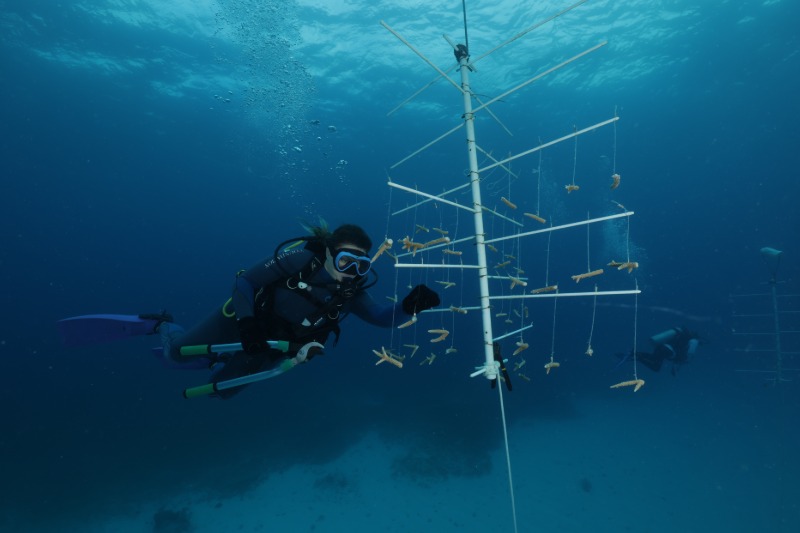
Caribbean coral reefs have drawn millions of visitors every year with their extraordinary underwater landscapes and thriving marine life — but decades of climate change, pollution, and overfishing have left them in serious trouble. Now, one of the world’s largest cruise companies is putting real resources behind their recovery.
MSC Cruises has launched a sustained effort to support coral reef restoration across the Caribbean, funding coral planting projects and creating educational programs for both local communities and the tourists who visit these destinations. It’s a significant commitment from an industry that has long been scrutinized for its environmental footprint.
The initiative reflects a broader shift in how major travel companies are beginning to engage with the ecosystems their businesses depend on — not just minimizing damage, but actively working to reverse it.
Why Caribbean Coral Reefs Are in Crisis
The Caribbean is home to some of the most biologically diverse marine environments on the planet. Its coral reefs support thousands of species of fish, invertebrates, and plant life, and they form the ecological backbone of the region’s tourism economy.
But these reefs have been under severe stress for decades. Rising ocean temperatures linked to climate change cause coral bleaching events, where corals expel the algae that give them color and sustenance, often dying as a result. Pollution from land-based runoff and overfishing strip away the natural balance that keeps reef ecosystems functioning.
The damage isn’t abstract. Degraded reefs mean fewer fish, less vibrant dive sites, eroding coastlines with reduced natural storm protection, and ultimately less reason for tourists to visit. For Caribbean communities that depend heavily on tourism revenue, the health of these reefs is directly tied to economic survival.
What MSC Cruises Is Actually Doing
MSC’s reef restoration efforts are organized around partnerships with reef restoration projects already operating in the Caribbean. Rather than creating programs from scratch, the company is directing funding toward coral planting initiatives that have established expertise in reef recovery work.
The approach combines financial support with public engagement. MSC is also building educational platforms aimed at tourists and local residents, helping people understand why these ecosystems matter and what threatens them. The goal is to connect visitors to the conservation story unfolding beneath the water’s surface — making reef protection something travelers feel personally invested in, not just something happening in the background.
Supporters of this kind of industry-led conservation argue that cruise companies, which bring enormous numbers of passengers into reef environments each year, carry a particular responsibility to contribute to their preservation. Critics of the broader industry have long pointed out that large vessels can themselves pose risks to marine environments through anchoring, water discharge, and the sheer volume of tourist traffic they generate.
The Link Between Reef Recovery and Sustainable Tourism
There’s a practical logic to MSC’s investment that goes beyond environmental branding. Healthy reefs are the product that Caribbean cruise destinations are selling. A bleached, degraded reef offers little appeal to snorkelers and divers. Restoring reef health directly protects the long-term commercial viability of these itineraries.
By funding coral planting and restoration, MSC is also helping to build what conservationists describe as ecosystem resilience — the capacity of reefs to withstand and recover from future stressors like warming water temperatures. A more resilient reef is more likely to survive the next bleaching event, and the one after that.
The educational component matters too. When tourists understand what they’re looking at and why it’s fragile, behavior tends to change. People are less likely to touch corals, less likely to purchase souvenirs made from reef materials, and more likely to support conservation-conscious businesses when they understand the stakes.
What This Means for Travelers Choosing Caribbean Cruises
For anyone planning a Caribbean cruise, MSC’s conservation work represents a concrete differentiator worth paying attention to. Eco-conscious travelers increasingly want to know that their trip isn’t just consuming a destination — that it’s contributing something back.
Here’s what the MSC reef initiative involves, based on confirmed reporting:
- Funding for coral planting projects in Caribbean reef environments
- Partnerships with established reef restoration organizations
- Educational programs for tourists visiting reef destinations
- Community education efforts targeting local residents
- A broader sustainability framework that positions reef restoration as central to MSC’s environmental commitments
| Initiative Area | What MSC Is Doing | Intended Outcome |
|---|---|---|
| Coral Restoration | Funding coral planting projects | Increase marine biodiversity and reef coverage |
| Community Engagement | Educational platforms for local communities | Build local stewardship of reef ecosystems |
| Tourist Education | On-board and destination-based learning programs | Reduce tourist impact; increase conservation awareness |
| Climate Resilience | Supporting reef recovery efforts | Make reefs more resilient to climate change effects |
Where This Goes From Here
MSC’s reef restoration work sits within what the company describes as a broader commitment to sustainability and eco-friendly practices. Whether the initiative expands to other regions, deepens its partnerships with restoration organizations, or produces measurable reef recovery data over time remains to be seen — specific timelines and outcome targets have not been publicly confirmed in detail.
What is clear is that the pressure on cruise companies to demonstrate genuine environmental responsibility is only growing. Travelers are asking harder questions. Regulators in multiple countries are tightening environmental standards for the maritime industry. And the reefs themselves don’t have time to wait for slow institutional change.
MSC’s move to fund restoration and invest in education is a meaningful step. Whether it’s sufficient — and whether it’s matched by equally serious efforts to reduce the industry’s own environmental impact — will be the question the company faces as this work continues.
Frequently Asked Questions
What is MSC Cruises doing to help Caribbean coral reefs?
MSC is funding coral planting projects and building educational programs for tourists and local communities to support reef restoration and conservation awareness across the Caribbean.
Why are Caribbean coral reefs in danger?
Climate change, pollution, and overfishing have caused significant damage to Caribbean reefs over recent decades, threatening both marine biodiversity and the tourism economies that depend on them.
Does MSC work with other organizations on reef restoration?
According to available reporting, MSC’s efforts are aligned with existing reef restoration projects in the Caribbean, though specific partner organizations have not been named in confirmed detail.
How does reef restoration benefit tourists visiting the Caribbean?
Healthier reefs mean more vibrant dive and snorkel experiences, greater marine biodiversity, and more resilient coastal environments — all of which directly improve the quality of Caribbean travel.
Is this initiative part of a larger sustainability strategy for MSC?
Yes — MSC has described the reef restoration work as part of its broader commitment to sustainability and eco-friendly practices, though the full scope of that strategy has not been detailed in the available source material.
Will MSC expand this reef restoration work beyond the Caribbean?
This has not yet been confirmed in available reporting. The current initiative is focused on Caribbean reef environments.




Leave a Reply