
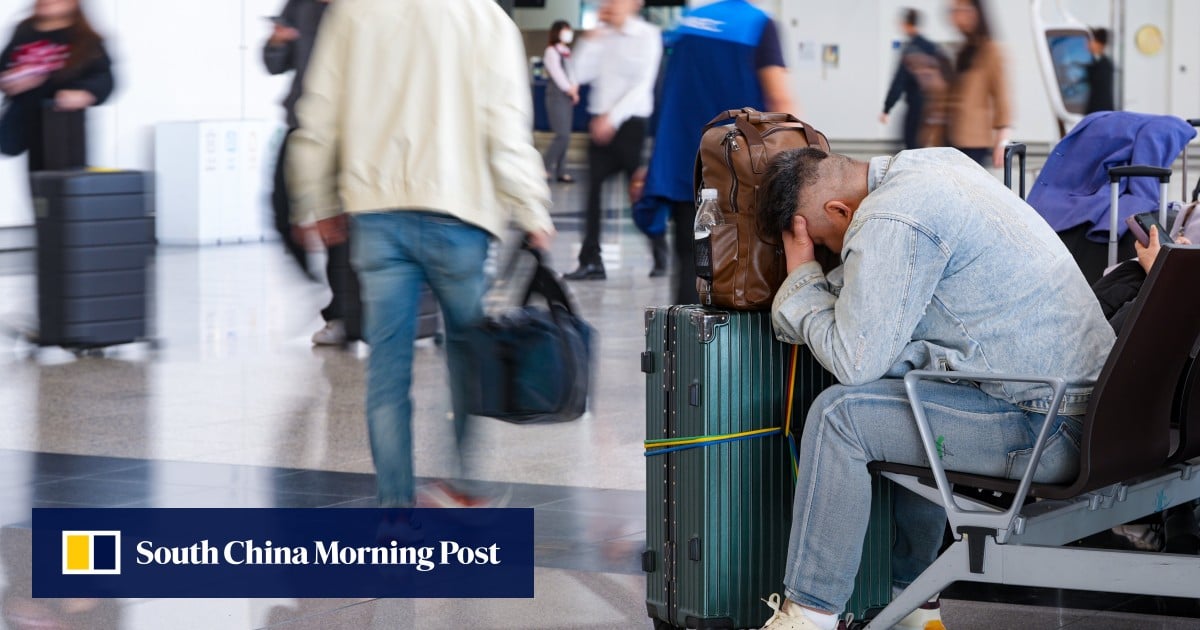
Thousands of travelers are stranded at airports across the globe after a growing coalition of countries — including Germany, Canada, Japan, France, India, Poland, and Singapore — suspended flights to the United Arab Emirates amid escalating safety concerns tied to the conflict involving Iran.
The disruptions are hitting two of the world’s busiest aviation hubs hardest: Dubai and Abu Dhabi. Major international carriers including Lufthansa, Air Canada, and Japan Airlines have halted service, leaving passengers with no clear timeline for when normal operations might resume.
What makes this situation particularly striking is the sheer breadth of countries involved. This is not a single nation acting out of caution — it is a coordinated, multinational response to what aviation authorities are describing as genuine threats to passenger safety, including reported missile and drone attacks on airport facilities in the region.
Why So Many Countries Halted UAE Flights at the Same Time
The decision to suspend flights is rooted in the broader Middle East conflict, particularly tensions involving Iran. Reports of missile and drone attacks targeting airport facilities in the region triggered alarm bells among aviation safety regulators across multiple continents.
When airspace becomes contested or potentially dangerous, airlines and governments face a stark choice: continue operating and risk catastrophe, or ground flights and protect passengers. Faced with that calculus, country after country reached the same conclusion within a short window of time.
The scale of the response signals how seriously aviation authorities are treating the threat. Dubai International Airport and Abu Dhabi International Airport together handle hundreds of millions of passengers annually, making them linchpins of global air travel. A suspension of this magnitude sends shockwaves through flight networks worldwide — not just in the Middle East.
Which Countries and Airlines Are Affected
The list of nations that have suspended or disrupted flights to the UAE is extensive and spans multiple continents. Here is what is confirmed:
- Germany — Lufthansa flights to Dubai and Abu Dhabi suspended
- Canada — Air Canada flights halted
- Japan — Japan Airlines (JAL) operations disrupted
- France — Flights suspended amid safety concerns
- India — Flights to UAE affected
- Poland — Flights suspended
- Singapore — Flights halted to UAE destinations
| Country | Airline Affected | Destinations Impacted |
|---|---|---|
| Germany | Lufthansa | Dubai, Abu Dhabi |
| Canada | Air Canada | Dubai, Abu Dhabi |
| Japan | Japan Airlines (JAL) | Dubai, Abu Dhabi |
| France | Flights suspended | UAE |
| India | Flights affected | UAE |
| Poland | Flights suspended | UAE |
| Singapore | Flights halted | UAE |
The Real-World Impact on Travelers Right Now
If you have a flight booked to or from Dubai or Abu Dhabi, the situation is serious and fluid. Passengers are being stranded at departure airports with little clarity on rebooking options or timelines. Both business travelers and tourists are caught in the disruption equally.
The practical consequences extend well beyond inconvenience. People connecting through Dubai — one of the world’s most popular transit hubs — may find their entire itinerary unraveling even if their final destination has nothing to do with the UAE. A traveler flying from Europe to Southeast Asia via Dubai, for instance, could face being stuck at their origin airport with no alternative routing readily available.
Airlines are under enormous pressure to rebook passengers, issue refunds, and communicate clearly — all at the same time, across multiple time zones and languages. The sheer number of carriers involved means the rebooking burden is distributed widely, but so is the chaos.
The disruption also carries significant economic weight. Dubai and Abu Dhabi are not just tourist destinations — they are major business travel corridors connecting Europe, Asia, and Africa. Corporate travel, freight, and logistics operations are all feeling the strain.
What Happens Next for Stranded Passengers and Suspended Routes
The path forward depends almost entirely on how the broader conflict situation develops. Aviation authorities and airlines are monitoring the situation continuously, and flight suspensions of this type are typically reviewed on a rolling basis — sometimes daily.
For passengers already stranded, the immediate priority is contacting their airline directly. Most carriers operating under government-mandated safety suspensions are obligated to offer full refunds or rebooking options at no additional cost, though processing times during a crisis of this scale can be slow.
Travel insurance holders should review their policies carefully. Events driven by conflict-related airspace restrictions often fall under specific coverage categories, and understanding what is and is not covered can make a significant financial difference.
The broader question — when these routes reopen — remains unanswered. That decision will hinge on assessments from aviation safety bodies, military and diplomatic developments in the region, and the willingness of individual countries to lift their advisories. Given the number of nations involved, a coordinated reopening seems more likely than a piecemeal one, but nothing has been confirmed.
For now, Dubai and Abu Dhabi sit at the center of one of the most significant aviation disruptions the region has seen — and travelers, airlines, and governments are all waiting for the same thing: a signal that it is safe to fly again.
Frequently Asked Questions
Which countries have suspended flights to the UAE?
Germany, Canada, Japan, France, India, Poland, and Singapore are among the countries that have halted flights to the UAE amid ongoing airspace restrictions and safety concerns.
Which airlines have suspended service to Dubai and Abu Dhabi?
Confirmed carriers include Lufthansa, Air Canada, and Japan Airlines (JAL), along with other global airlines affected by the suspensions.
Why were flights to the UAE suspended?
The suspensions are linked to escalating safety concerns stemming from the conflict involving Iran, including reported missile and drone attacks on airport facilities in the region.
Are passengers entitled to refunds for cancelled flights?
Airlines operating under safety-related government suspensions are generally required to offer refunds or rebooking options, though travelers should contact their carrier directly for specifics.
When will flights to Dubai and Abu Dhabi resume?
No confirmed timeline has been announced. Resumption depends on how the regional conflict situation develops and when aviation authorities determine it is safe to lift restrictions.
What should travelers with connecting flights through Dubai do?
Passengers with layovers in Dubai or Abu Dhabi should contact their airline immediately, as the disruptions affect connecting itineraries even when the final destination is outside the UAE.



Leave a Reply