
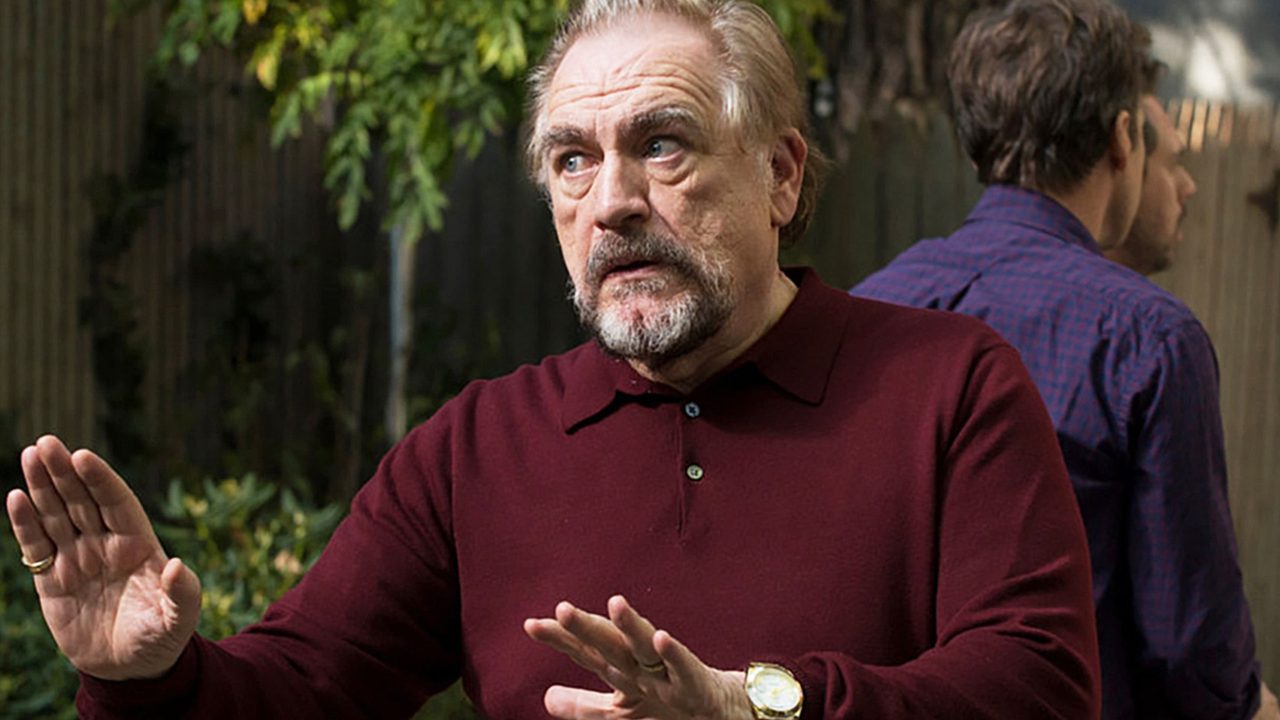
Some TV remakes age gracefully. Others curdle fast. NBC’s The Slap, an American adaptation of the acclaimed Australian miniseries of the same name, falls firmly into the second category — and more than a decade after it aired, it stands as one of the more fascinating examples of a show that seemed destined to fail before the cameras even rolled.
The series premiered on NBC in 2015, transplanting a story about a single moment — an adult slapping a child at a backyard barbecue — from Melbourne to New York City. What followed was eight episodes of simmering social drama, fractured relationships, and big questions about parenting, privilege, and loyalty. On paper, it had everything going for it. In practice, it became a cautionary tale about what happens when a remake misreads why the original worked in the first place.
Eleven years later, rewatching it is a genuinely strange experience — equal parts compelling and deeply uncomfortable, and not always for the reasons the creators intended.
What Made the Original Australian Series So Effective
The Australian version of The Slap, which aired on ABC in Australia in 2011, was a critical phenomenon. It was adapted from Christos Tsiolkas’s 2008 novel of the same name and structured each of its eight episodes around a different character’s perspective on the same inciting incident. That structure was the genius of it — the slap itself was almost beside the point. What the show was really about was how one moment could expose every fault line running beneath the surface of a group of friends and family.
The Australian cast, the specificity of its cultural setting, and the willingness to portray every character as genuinely flawed — including the child’s parents — gave the original series a moral ambiguity that felt bracingly honest. Nobody came out looking entirely clean, and the show didn’t seem interested in telling you who to root for.
Where the NBC Remake Went Wrong
NBC’s version kept the structural conceit — eight episodes, eight perspectives — but struggled to find the same tonal balance. The American remake starred a genuinely impressive ensemble, including Peter Sarsgaard, Uma Thurman, Zachary Quinto, Brian Cox, Thandiwe Newton, and Melissa George, who had also appeared in the Australian original. On casting alone, it looked like a prestige drama.
But the transplant from Australia to New York City created problems that the show never quite solved. The original’s power came partly from its very specific social world — a tight-knit Greek-Australian community where everyone’s history was tangled and the cultural expectations around family, masculinity, and loyalty carried real weight. Moving the story to a more generically cosmopolitan American setting diluted that specificity considerably.
Critics were largely lukewarm at the time, and audiences were even more so. The show did not perform well in the ratings, and it was not renewed — though it was always conceived as a limited series, so renewal was never really the point. The point was impact, and that impact never fully landed.
A Side-by-Side Look: Australian Original vs. NBC Remake
| Element | Australian Original (2011) | NBC Remake (2015) |
|---|---|---|
| Network | ABC (Australia) | NBC (United States) |
| Episodes | 8 | 8 |
| Setting | Melbourne, Australia | New York City, USA |
| Source Material | Novel by Christos Tsiolkas (2008) | Based on Australian series |
| Notable Cast | Jonathan LaPaglia, Sophie Okonedo | Peter Sarsgaard, Uma Thurman, Brian Cox, Zachary Quinto, Thandiwe Newton |
| Critical Reception | Widely acclaimed | Mixed to lukewarm |
Why It Feels So Strange to Watch Now
Revisiting the NBC version in 2026, what strikes you most is how much the cultural conversation has shifted around the themes it was trying to explore. Questions about corporal punishment, helicopter parenting, class tension, and who gets the benefit of the doubt in a conflict — all of those topics have been relitigated extensively in the years since the show aired, in ways that make the series feel both ahead of its time and weirdly dated simultaneously.
Some of the characterizations that were probably meant to feel provocative now read as clumsy or even tone-deaf. The show’s attempts to generate moral ambiguity occasionally tip into excusing behavior that modern audiences are far less willing to treat as a gray area. And certain character dynamics — particularly around gender and power — have aged in ways that are hard to ignore.
That’s not entirely a criticism. Television is always a document of the moment it was made, and watching older shows through a current lens is inherently complicated. But the NBC remake, unlike the Australian original, doesn’t have enough underlying craft to make that complication feel worthwhile rather than just awkward.
The Bigger Lesson About American Remakes of Foreign Drama
The Slap is far from the only American remake of a foreign-language drama to stumble. The history of television is littered with them — adaptations that strip away the cultural specificity that made the original compelling and replace it with a glossier, blander version designed to appeal to a broader audience.
What makes the NBC version of The Slap particularly instructive is that it had genuine resources — a strong cast, a prestige network slot, and source material that had already proven it could work. The failure wasn’t about budget or ambition. It was about understanding what made the story matter in the first place, and then trusting an audience enough to deliver that without softening the edges.
The Australian original remains very much worth seeking out. The American remake is worth watching too — but more as a case study in adaptation than as a piece of drama that stands on its own terms.
Frequently Asked Questions
What is The Slap about?
Both the Australian and American versions center on the aftermath of an adult slapping a child at a backyard barbecue, exploring how the incident fractures a group of friends and family across eight character-focused episodes.
When did the NBC version of The Slap air?
The NBC American remake of The Slap premiered in 2015.
Who starred in the NBC remake of The Slap?
The cast included Peter Sarsgaard, Uma Thurman, Zachary Quinto, Brian Cox, Thandiwe Newton, and Melissa George, among others.
Is The Slap based on a book?
Yes — the original Australian series was adapted from the 2008 novel by Christos Tsiolkas. The NBC version was based on the Australian television adaptation of that novel.
How did the NBC remake perform with critics and audiences?
The American version received a mixed to lukewarm critical reception and did not perform strongly with audiences, though it was always intended as a limited series rather than an ongoing show.
Is the Australian original version of The Slap worth watching?
Based on the critical consensus at the time of its release, the Australian original was widely acclaimed and is generally considered significantly stronger than the NBC remake.

Leave a Reply