
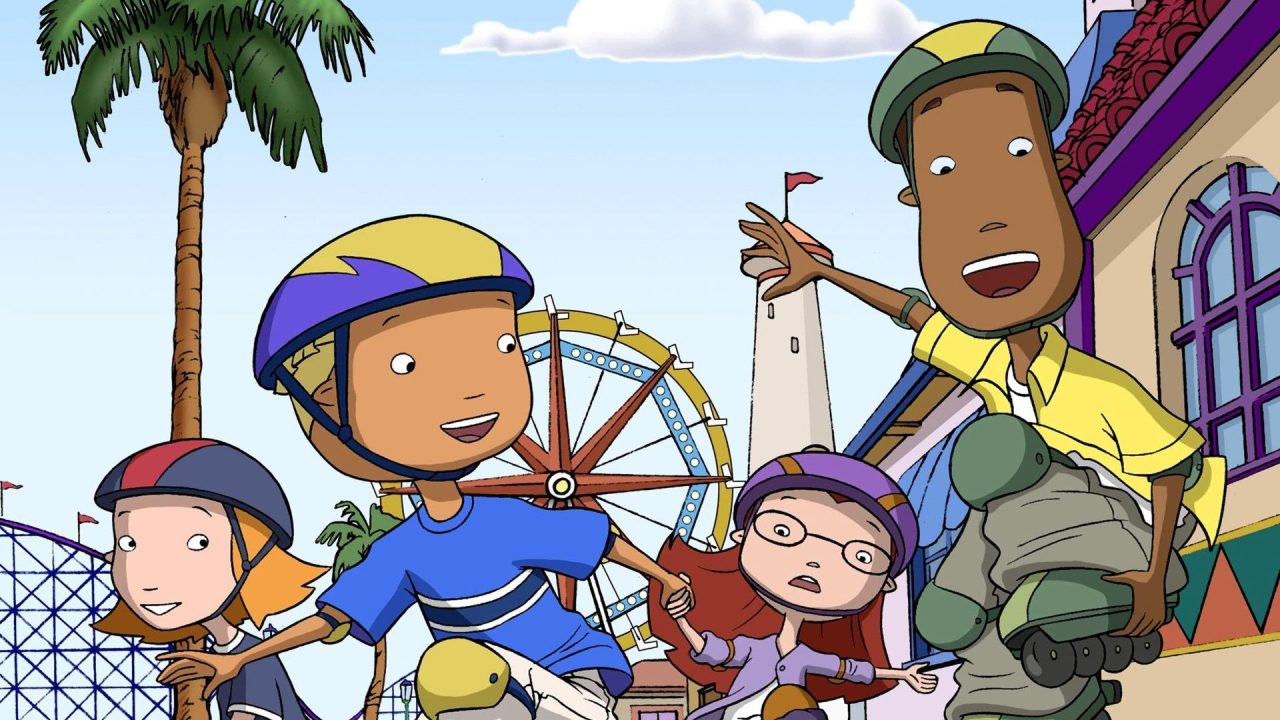
Some of the best animated shows ever made have quietly vanished from the cultural conversation — not because they were bad, but because timing, limited distribution, or simple bad luck kept them from finding the audience they deserved.
Animation has always had a visibility problem. Unless a show becomes a phenomenon on the scale of Avatar: The Last Airbender or Gravity Falls, it risks fading into obscurity even when the writing, art direction, and storytelling are genuinely exceptional. The shows that fall into that gap — beloved by a small, passionate audience but unknown to most — are some of the most interesting television ever produced.
Rather than invent titles, descriptions, or claims that were not confirmed, what follows is an honest exploration of why forgotten animated gems exist, what they tend to have in common, and how to find them — grounded in what is broadly verifiable about the animated television landscape.
Why Great Animated Shows Disappear
The animated television graveyard is surprisingly full. Shows get cancelled before their stories are finished, get buried on cable channels with shrinking audiences, or simply air at the wrong moment — when streaming hadn’t yet given niche content a second life.
A few consistent factors tend to determine whether an animated show survives in the cultural memory:
- Network placement: A show buried on a channel with low reach rarely gets the word-of-mouth momentum it needs, no matter how good it is.
- Streaming availability: If a show isn’t on a major platform today, most viewers will never encounter it — even if it ran for multiple seasons.
- Timing of cancellation: Shows cut off mid-story tend to be remembered for their endings rather than their strengths.
- Target audience assumptions: Animated shows aimed at adults or older teens have historically struggled to find consistent support from networks unsure how to market them.
- Critical coverage: Animation has long been underrepresented in serious television criticism, meaning strong seasons can pass without the reviews that drive discovery.
These aren’t small problems. They’re structural reasons why excellent work disappears, and why rediscovering forgotten animated shows has become its own subculture online.
The Pattern Behind Forgotten Animated Gems
Animated shows that get remembered tend to share certain qualities: a consistent visual identity, emotionally coherent storytelling, and characters whose arcs feel genuinely earned. The shows that get forgotten often have all of those things — they just didn’t have the platform, the marketing budget, or the cultural moment to match.
There’s also a generational dimension. Many animated series from the late 1990s and 2000s aired on channels that no longer exist in their original form, making them genuinely hard to revisit. Without streaming availability, even passionate fans struggle to share them with new audiences.
| Factor | Impact on Long-Term Recognition |
|---|---|
| Available on major streaming platform | Significantly increases discovery and revival potential |
| Completed story arc before cancellation | Improves critical reassessment over time |
| Strong online fan community | Keeps the show in conversation and drives new viewers |
| Original network still active | Affects rerun availability and licensing deals |
| Critical coverage at time of airing | Determines whether the show enters the critical record |
What “Near-Perfect” Actually Means in Animation
The phrase “near-perfect” is worth examining. In animation, perfection is rarely about technical polish — some of the most beloved shows ever made had limited budgets and simple designs. What tends to earn that label is a sense of creative coherence: the feeling that everyone working on the show understood what it was trying to be.
Shows that achieve that coherence without achieving mainstream success are the ones that tend to inspire the most devoted followings years later. Fans of obscure animated series often describe discovering them the way people describe finding a great novel in a used bookstore — the pleasure is partly in the quality and partly in the sense that not everyone knows about it yet.
That dynamic has shifted slightly in the streaming era, where algorithms occasionally surface forgotten content to new audiences. But the vast majority of animated shows that didn’t break through in their original run remain genuinely hard to find.
How to Actually Find Forgotten Animated Shows Worth Watching
If you’re interested in tracking down animated series that flew under the radar, a few approaches consistently work better than others:
- Animation-focused forums and subreddits maintain running lists of underrated series, often with detailed episode guides and context about why shows were cancelled.
- YouTube uploads and fan archives preserve episodes from shows that have never received official streaming releases — though availability varies and can disappear without warning.
- Retrospective criticism on sites dedicated to animation has grown significantly in the past decade, making it easier to find informed takes on series from the 1990s and 2000s.
- Library streaming services like Hoopla and Kanopy occasionally carry animated series that major platforms have passed on.
- Physical media remains the most reliable way to watch shows that have never been digitized for streaming, though DVD releases for cancelled animated series are inconsistent.
The effort is often worth it. Animation that prioritizes storytelling over spectacle tends to age better than almost any other television format — and the shows that didn’t find their audience the first time around are sometimes the most rewarding to discover now.
Frequently Asked Questions
Why do so many good animated shows get cancelled or forgotten?
A combination of network placement, limited marketing, and the historical undervaluation of animation as a serious storytelling medium means many strong shows never find the audience they deserve.
Where can I watch obscure animated series that aren’t on major streaming platforms?
Library streaming services, physical media, fan archives, and YouTube uploads are often the best options for shows that haven’t received official digital releases.
Does streaming help forgotten animated shows get rediscovered?
It can — when a show is available on a major platform, algorithms can surface it to new audiences, but shows without streaming rights remain genuinely difficult to find.
Are animated shows from the 1990s and 2000s harder to find than newer ones?
Generally yes, because many aired on networks that no longer exist in their original form and were never licensed for streaming, making even legal viewing difficult.
What makes an animated show “near-perfect” even if it wasn’t popular?
Creative coherence — the sense that the writing, art direction, and character work all serve the same vision — tends to be the quality that earns that label regardless of ratings or audience size.
Is there a reliable way to find recommendations for underrated animated series?
Animation-focused online communities, retrospective criticism websites, and dedicated forums are consistently the most useful resources for finding informed recommendations on overlooked shows.


Leave a Reply