
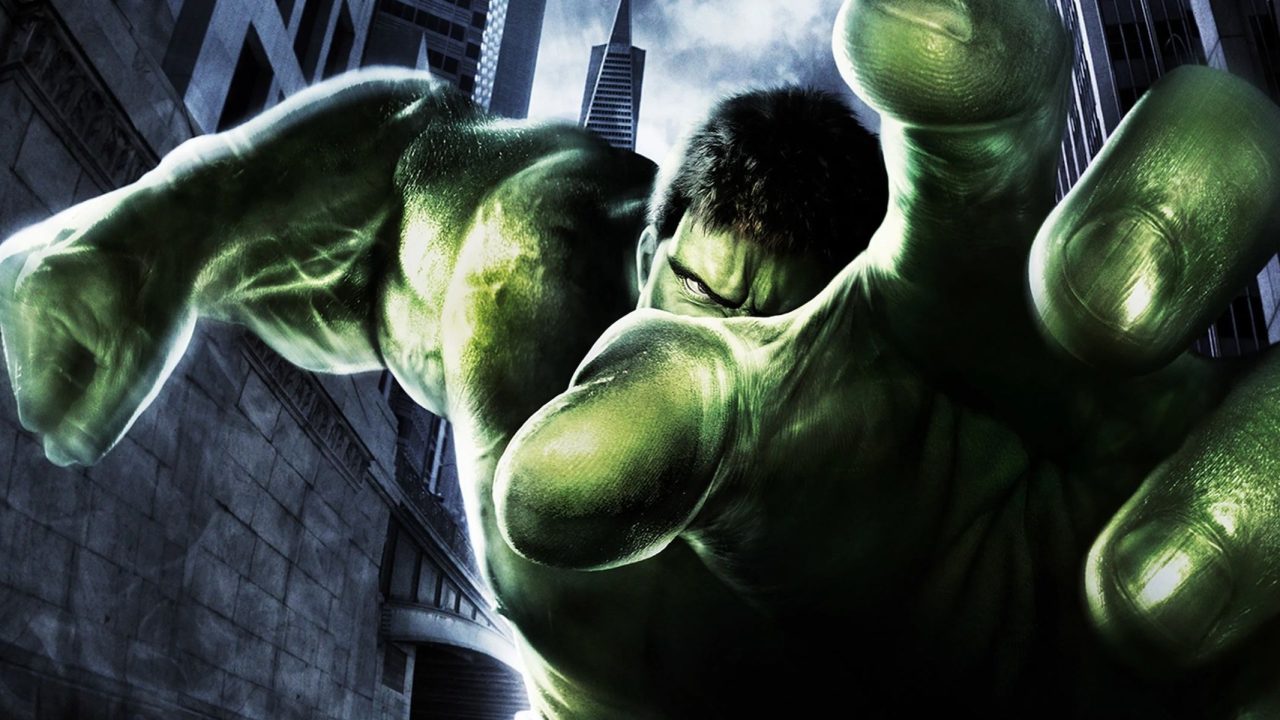
Marvel has produced some of the most profitable and culturally dominant films in Hollywood history — but not every entry in that catalog gets the recognition it deserves. While the MCU’s biggest tentpoles dominate conversation year after year, a handful of genuinely excellent Marvel movies have quietly slipped through the cracks of public memory.
These aren’t bad films that people forgot for good reason. These are near-perfect entries — tightly written, well-acted, visually compelling — that somehow got buried under the weight of the franchise machine around them. Whether they arrived at the wrong moment, lacked a flashy marketing push, or simply got overshadowed by whatever massive crossover event was happening at the time, they deserve another look.
The topic itself raises a real question worth sitting with: what does it mean for a film to be “forgotten” when Marvel’s output has become so relentless that even solid movies can vanish from cultural memory within a year of release?
Why Marvel Movies Get Forgotten Even When They’re Good
The sheer volume of Marvel content has created a paradox. The studio’s dominance means more films reach more people — but it also means the shelf life of any individual movie has shortened dramatically. A film that would have been celebrated for years in an earlier era of Hollywood now competes with three or four other major releases from the same universe within a single calendar year.
There’s also the issue of sequel dependency. When a Marvel film doesn’t get a direct follow-up, or when its characters get absorbed into ensemble projects, the standalone story often loses its identity. Audiences move on to whatever is next, and the earlier film becomes a footnote rather than a landmark.
This pattern has left some genuinely strong films underappreciated — movies that critics and dedicated fans praised at the time but that rarely come up in “best of” conversations today.
The Near-Perfect Marvel Movies That Deserve More Credit
The films that tend to fall into this forgotten category share a few common traits. They often prioritize character over spectacle. They take creative risks that don’t always fit neatly into the broader franchise narrative. And they tend to arrive at moments when audience attention is focused elsewhere.
What makes them worth revisiting isn’t nostalgia — it’s craft. These are films that hold up on rewatch, that reward close attention, and that demonstrate what Marvel is capable of when it operates outside the constraints of pure franchise maintenance.
- Strong standalone storytelling that doesn’t require a spreadsheet of prior viewing to understand
- Character-driven scripts that give performers room to do actual acting work
- Tonal consistency — committing to a specific mood rather than constantly undercutting tension with comedy
- Villains with genuine menace or complexity, not just obstacles for the hero to punch
- Visual identity — a distinct aesthetic that separates them from the broader house style
What Separates a Forgotten Classic From a Forgotten Failure
There’s an important distinction between a Marvel film that people forgot because it wasn’t very good and one that people forgot despite being excellent. The films worth defending here fall clearly into the second category.
A forgotten failure tends to have a consistent critical consensus — audiences and reviewers agreed at the time that something wasn’t working. A forgotten near-classic, by contrast, often received strong reviews and solid audience scores, but simply didn’t generate the cultural staying power of the franchise’s biggest moments.
| Category | Characteristics | Typical Fate |
|---|---|---|
| Forgotten Near-Classic | Strong reviews, good audience reception, limited cultural longevity | Rarely discussed, occasionally rediscovered |
| Forgotten Failure | Mixed or poor reviews, disappointing box office, weak word of mouth | Cited as a low point, sometimes reassessed later |
| Enduring Classic | Strong reviews, massive box office, ongoing cultural relevance | Regularly referenced, rewatched, and quoted |
The Real Cost of Marvel Oversaturation
When any creative franchise produces content at the pace Marvel has maintained, the casualty isn’t just audience attention — it’s the legacy of individual films. Movies that would have defined a generation of superhero cinema in a slower era now risk being remembered only as “the one before the big crossover” or “the one that set up the character who appeared in the sequel.”
That’s a genuine loss. Not just for the filmmakers and actors who poured real work into those projects, but for audiences who might genuinely love a film they’ve never thought to watch because it didn’t come attached to a cultural moment.
The good news is that streaming has changed the equation somewhat. Films that got lost in theatrical release cycles are now a single search away, and fan communities have gotten better at surfacing overlooked work and making the case for its value.
If the MCU’s most celebrated films represent what the franchise can achieve at its commercial peak, the forgotten near-classics represent something arguably more interesting — what it looks like when Marvel takes a breath, trusts its storytellers, and makes something with genuine artistic intention rather than pure franchise mechanics.
Those films are worth finding. They’re worth watching without the pressure of a release weekend or a Twitter discourse cycle. And they’re worth arguing about — because the conversation around which Marvel movies deserve better is, in its own way, a conversation about what we actually want from superhero cinema.
Frequently Asked Questions
What makes a Marvel movie “near-perfect” but still forgotten?
A near-perfect but forgotten Marvel film typically received strong critical and audience reception at release but failed to generate lasting cultural conversation, often due to franchise oversaturation or poor timing.
Does Marvel produce too many films for individual movies to be remembered?
Many critics and film observers argue that the volume of Marvel content has shortened the cultural shelf life of individual entries, even genuinely strong ones.
Are forgotten Marvel films worth rewatching?
Films that fall into the “forgotten near-classic” category — strong reviews, good audience scores, limited longevity — are generally considered worth revisiting precisely because their quality hasn’t diminished, only their visibility.
What traits do overlooked Marvel films tend to share?
They often prioritize character over spectacle, maintain tonal consistency, feature compelling villains, and carry a distinct visual identity that sets them apart from the broader MCU house style.
Has streaming helped rediscover forgotten Marvel films?
Streaming platforms have made it significantly easier for audiences to find and revisit overlooked films, and fan communities have increasingly used those platforms to make the case for underappreciated entries.
Is a forgotten Marvel film the same as a bad Marvel film?
Not at all — the distinction matters. A forgotten failure was poorly received at the time, while a forgotten near-classic was praised but simply didn’t achieve lasting cultural staying power.

Leave a Reply