
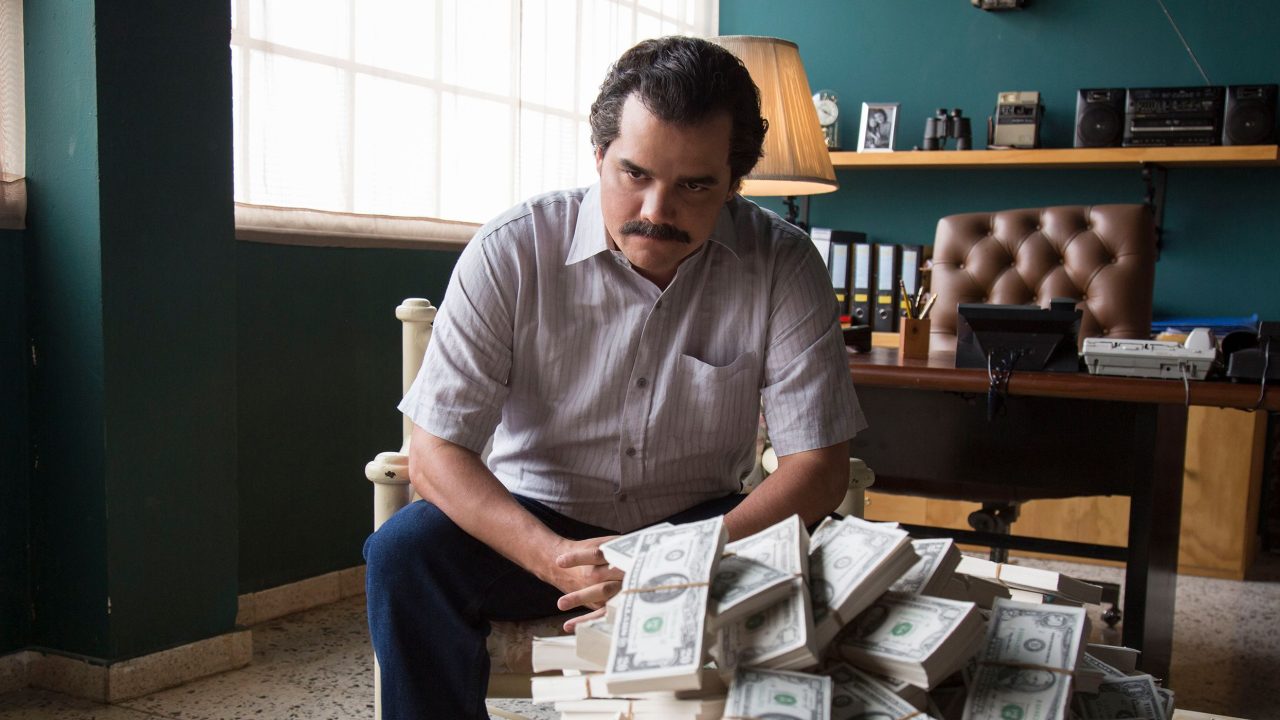
Netflix has a graveyard problem. Every few months, a genuinely excellent drama series gets released, earns a loyal audience, picks up strong reviews — and then quietly disappears into the platform’s endless scroll, never to be discussed again. Not because it was bad. Because something newer came along.
The streaming era has made it easier than ever to watch great television. It has also made it almost impossible to remember great television. A show that would have dominated watercooler conversation for years in the broadcast era now gets two weeks of social media buzz before the algorithm moves on.
The topic of forgotten Netflix dramas is one that surfaces regularly among streaming critics and dedicated viewers — and for good reason. Some of the platform’s best work sits largely unwatched, buried under the weight of constant new releases. Here is a look at what makes these shows worth tracking down, and why so many genuinely strong Netflix dramas slip through the cultural cracks.
Why Great Netflix Dramas Keep Getting Forgotten
The mechanics of forgetting are worth understanding before getting to the shows themselves. Netflix does not release traditional viewership numbers in a format that lets audiences gauge cultural impact the way ratings once did. A show can be watched by millions and still feel invisible because there is no shared moment — no weekly episode drop, no appointment viewing, no collective experience.
Binge-release culture accelerates consumption and kills conversation. When an entire season drops at once, viewers finish it at different times, spoiler anxiety kicks in, and the discussion window collapses from months to days. Add to that the sheer volume of Netflix originals released each year, and even a legitimately great drama can vanish before word of mouth has time to build.
The result is a platform with a genuine hidden catalogue problem. Excellent work exists there. Finding it requires knowing where to look.
What Makes a Netflix Drama Worth Remembering
Not every forgotten show is forgotten for bad reasons. Some were genuinely ahead of their time. Others tackled subject matter that required patience from an audience conditioned to expect immediate payoff. The dramas that tend to get lost are often the ones that trust their viewers — slow burns, character studies, morally complex stories without clean resolutions.
These are also the shows most likely to reward a second watch, or a first watch years after the fact. The streaming catalogue means they do not disappear entirely — they just wait.
What distinguishes a truly overlooked Netflix drama from one that was simply not very good usually comes down to a few consistent factors:
- Strong critical reception at launch that did not translate into sustained audience conversation
- Cancellation after one or two seasons despite unresolved storylines and devoted fan bases
- Subject matter or tone that did not fit the dominant mood of the moment it was released
- Limited marketing push from Netflix, which tends to concentrate promotional resources on its biggest bets
- No anchor star with the kind of existing fanbase that drives algorithm-friendly discovery
The Pattern Behind Overlooked Netflix Shows
There is a recognizable shape to how these dramas tend to get lost. A show launches, earns strong reviews, builds a small but passionate audience, gets cancelled before it can reach critical mass — and then sits in the catalogue as a recommendation that superfans make to anyone who will listen.
The cancellation piece is significant. Netflix has been notably aggressive about ending shows after one or two seasons, even when the creative quality is high. The platform’s renewal decisions are driven by metrics that weight early viewing numbers heavily, which means a show that builds slowly — the kind of drama that rewards patience — is structurally disadvantaged from the start.
| Factor | How It Affects Visibility |
|---|---|
| Binge-release format | Collapses the conversation window from weeks to days |
| High volume of new releases | Pushes older titles off the homepage quickly |
| Early cancellation | Discourages new viewers from starting unfinished stories |
| Limited promotional spend | Reduces discovery for shows without marquee names |
| Algorithm-driven recommendations | Favors recent and trending content over hidden gems |
Why This Matters for Anyone Who Uses Netflix
If you watch Netflix regularly and you feel like the platform keeps cancelling shows you love, you are not imagining it. The structural incentives of streaming do not naturally reward the kind of patient, character-driven drama that tends to age best. They reward immediate engagement — which is why so much of what gets promoted feels loud, fast, and designed for a single sitting.
The forgotten dramas are worth seeking out precisely because they were built differently. They were not optimized for algorithm performance. They were written to tell a specific story in a specific way, and that specificity is exactly what makes them hold up.
The practical takeaway is simple: the Netflix catalogue contains years of genuinely excellent drama that most subscribers have never seen. The homepage will not surface it. The algorithm will not recommend it unless you have already demonstrated interest in similar material. Finding it requires active searching — or a recommendation from someone who already did the work.
What Happens to These Shows Over Time
The encouraging reality is that streaming catalogues have a longer memory than cultural conversation does. A drama that was overlooked in its release year can find a new audience years later when a creator goes on to bigger work, when a cast member breaks through elsewhere, or when a specific topic resurfaces in the news cycle and sends viewers searching.
Word of mouth still works, it just works more slowly on streaming than it ever did on broadcast. The shows are still there. The conversation can still start. It just needs someone to start it.
Frequently Asked Questions
Why does Netflix cancel so many good dramas after one or two seasons?
Netflix’s renewal decisions are heavily influenced by early viewership metrics, which structurally disadvantages slower-building dramas that take time to find their audience.
Does the binge-release format hurt quality dramas more than other genres?
Critics and viewers have widely observed that binge releases compress the conversation window, which tends to hurt character-driven dramas that benefit most from sustained word-of-mouth discovery.
Can a cancelled Netflix show still be worth watching?
Yes — many cancelled Netflix dramas are self-contained enough within their existing seasons to deliver a satisfying experience, even without a formal conclusion.
How do you find forgotten or overlooked Netflix dramas?
Active searching by genre, cast, or creator tends to surface buried titles more reliably than the Netflix homepage algorithm, which prioritizes recent and trending content.
Are overlooked Netflix shows ever revived or picked up elsewhere?
Occasionally, cancelled Netflix originals have found second lives on other platforms or through fan campaigns, though this remains relatively rare rather than standard practice.
Is the problem of forgotten streaming shows unique to Netflix?
The pattern is common across major streaming platforms, all of which release high volumes of content and rely on algorithm-driven discovery that tends to bury older or lower-profile titles.




Leave a Reply