
▶ Read transcript
Here’s what you need to know about the worker unrest currently gripping Noida and Greater Noida in India. What started as a wage dispute among factory workers in Noida’s Phase 2 industrial corridor has escalated into a full-blown travel crisis. Vehicles have been set on fire, roads have been physically blocked by thousands of protesters, and metro services have been disrupted — hitting commuters who depend on the rail system as their backup when roads fail. Both Noida Police and Delhi Police have issued separate emergency traffic advisories, which tells you something important: this disruption has crossed administrative boundaries and is affecting the entire Delhi NCR region. Trips that normally take thirty to forty-five minutes could take two to three times longer. So here’s your takeaway — if you’re traveling to or through Noida right now, check live police advisories before you leave, and build in serious extra time. Standard navigation apps won’t be enough.
Most people hear “traffic advisory” and think: add fifteen minutes to the drive. Grab a coffee. Find a podcast. No big deal.
That instinct is dangerously wrong when it comes to what is unfolding right now in Noida and Greater Noida, two of India’s most economically vital satellite cities flanking Delhi.
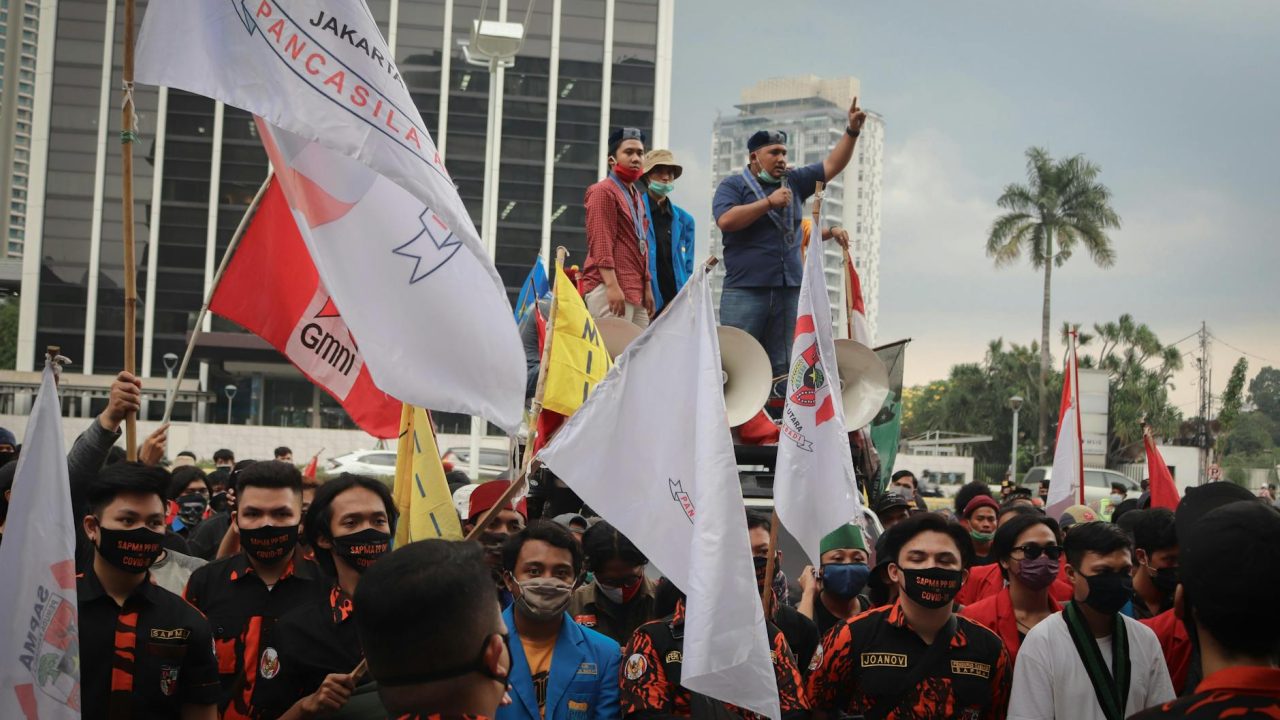
The worker unrest tearing through Noida’s Phase 2 industrial corridor in April 2026 is not a slow-moving inconvenience. Vehicles have been set on fire. Metro services have been disrupted. Roads have been physically blocked by thousands of protesters. And both Noida Police and Delhi Police have issued emergency traffic advisories, rerouting commuters across an entirely different set of arterial roads.
What Most Travelers and Commuters Assume About Protest Disruptions
The standard assumption goes like this: protesters gather, police contain them, traffic slows for a few hours, and normalcy returns by evening. That is the script most urban commuters in India have learned to expect.
Noida is a city built for movement. It sits at the heart of the National Capital Region, connected to Delhi by expressways, metro lines, and dense road networks. On a typical day, hundreds of thousands of workers, office employees, and travelers flow in and out of the city without friction.
So when early reports filtered out about a protest in Phase 2, a designated industrial zone, many commuters did exactly what they always do. They assumed the disruption was contained. They assumed the metro would run. They assumed their usual route would hold.
None of those assumptions survived contact with April 13, 2026.
Vehicles Torched and Metro Lines Hit: The Scale of the Phase 2 Unrest
The protests began over a specific and urgent demand: a wage hike. A large number of factory employees in Noida’s Phase 2 industrial area gathered to press their employers for salary increments, a grievance that has been simmering in the region’s manufacturing sector for months.
What followed was not a peaceful demonstration. The protests turned violent, with vehicles set on fire and roads in the Phase 2 corridor physically blocked by crowds. Metro services, a lifeline for tens of thousands of daily commuters who depend on them to avoid road congestion, were also disrupted.
This is not a localized flare-up. Phase 2 sits at a critical junction in Noida’s road geography. When it locks down, traffic cascades outward across the entire city grid.
| Area Affected | Type of Disruption | Advisory Issued By |
|---|---|---|
| Noida Phase 2 Industrial Zone | Roads blocked, vehicles torched | Noida Police |
| Noida Metro Corridor | Service disruptions reported | Noida Police |
| Delhi-Noida Border Approaches | Heavy congestion, route diversions | Delhi Police |
| Greater Noida Expressway Stretches | Congestion spillover | Noida Traffic Police |
Why the “It’ll Blow Over” Logic Fails Here
There is a reason both Noida Police and Delhi Police, two separate jurisdictions, have issued traffic advisories simultaneously. The disruption has crossed administrative boundaries.
Delhi Police issued their advisory specifically because movement from Delhi toward Noida was severely affected. That is a cross-border traffic emergency by any reasonable definition.
The advisories urge commuters to plan journeys in advance and avoid affected stretches entirely. Route diversions have been put in place, but alternative roads in the NCR are not designed to absorb a sudden, massive redistribution of traffic. They slow down too. They back up too.
“Authorities have issued a traffic advisory and urged commuters to plan their travel carefully as multiple stretches continue to witness disruptions.”
— Noida Police Traffic Advisory, April 2026
When metro lines are disrupted at the same time that roads are blocked, commuters have nowhere to go. That is the real crisis. The backup mode fails when both primary and secondary transit systems are compromised simultaneously.
The deeper issue is structural. Noida’s Phase 2 industrial corridor houses a dense concentration of manufacturing units. Wage disputes in this zone are not isolated grievances. They reflect a broader tension between factory workers and employers in one of India’s most productive industrial belts. When those tensions boil over, they do not boil over quietly.
What Travelers and Commuters Actually Need to Do Right Now
If you are flying into Delhi and planning to connect onward to Noida or Greater Noida, build in significant buffer time. Road journeys that typically take 30 to 45 minutes from the Delhi border could take two to three times longer depending on which diversion routes are operational and how saturated they become.
If you depend on the Noida Metro for your daily commute, check official metro operator updates before leaving your home or hotel. NMRC advisories should be your first stop. Do not assume services have returned to normal simply because time has passed.
For travelers with hotel bookings or business appointments in the region, call ahead. Many establishments near Phase 2 may be operating with reduced staff or altered access, depending on how the situation evolves over the next 24 to 48 hours.
If you are visiting India from abroad and Noida is part of your itinerary, contact your hotel concierge or tour operator for real-time ground conditions. International travelers often underestimate how quickly urban unrest can reshape the geography of a city they have never navigated before.
The deeper lesson here is one that frequent travelers to Indian cities know but rarely say out loud: industrial zones and transport corridors share the same geography in NCR cities. When one burns, the other stalls. Noida is not an exception to this rule. It is the clearest illustration of it.
A wage dispute in a factory district should, in theory, stay in the factory district. In a city like Noida, where expressways, metro lines, and industrial corridors are woven into the same grid, that containment is a fiction. The fire in Phase 2 does not stay in Phase 2.
The real question for city planners, and for every traveler who passes through here, is not how to manage the next advisory. It is whether a city this economically vital can afford to keep learning that lesson the hard way.
Frequently Asked Questions

You Might Also Like

IndiGo Flight Engine Failure Ends With Every Passenger Walking Away Safe
An IndiGo flight traveling from Kolkata to Delhi was forced into an emergency landing at…
Travelers at Miami and Newark Are Facing a Cascade of Flight Delays Today
Nearly 900 flights across the United States were delayed in a single day, and 70…
Air Travel Demand Is Set to More Than Double by 2050 and Asia Is Leading It
By 2050, the world’s airlines will be carrying more than twice as many passengers as…
Leave a Reply