
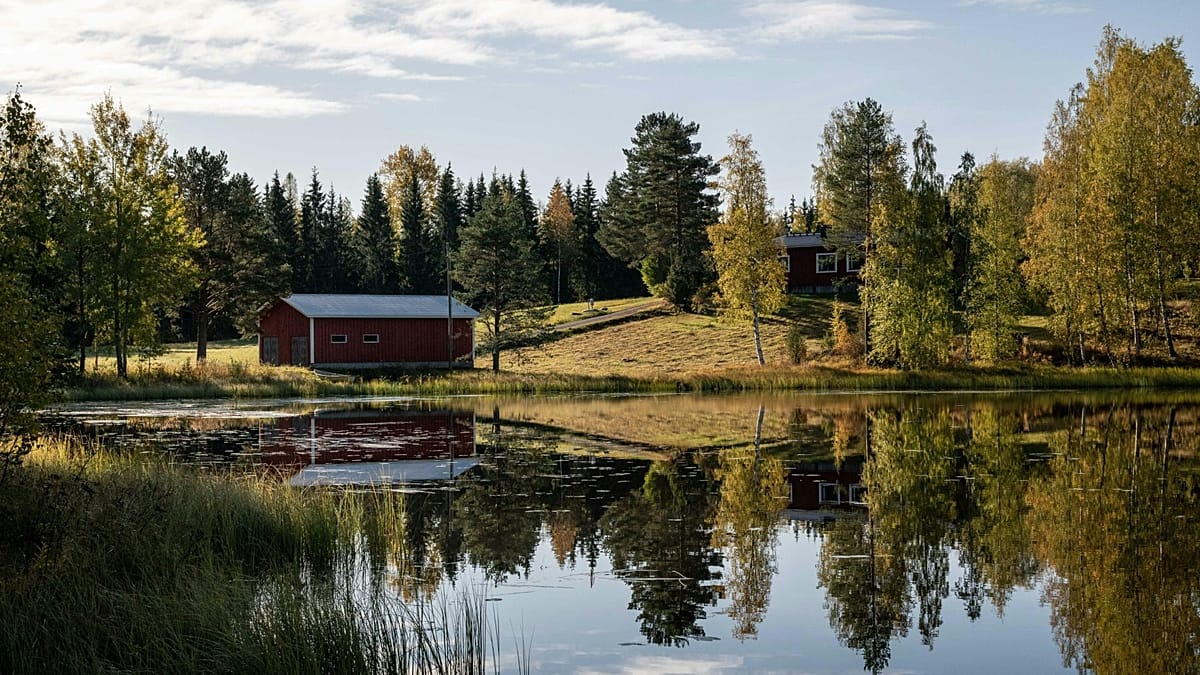
Heatwaves are reshaping where Europeans choose to spend their summers — and the shift is pointing firmly north. As scorching temperatures and wildfires become recurring features across southern Europe, a growing number of travellers are swapping the beaches of Greece, Spain, Italy, and Portugal for the cool forests, fjords, and volcanic landscapes of Norway, Finland, and Iceland.
This emerging travel pattern has earned its own name: the “coolcation.” And in 2026, it’s no longer a niche preference — it’s becoming one of the defining trends of the summer travel season.
For anyone planning where to go this summer, the Nordic shift is worth understanding. These destinations aren’t just offering escape from the heat. They’re offering something that overcrowded Mediterranean hotspots increasingly can’t: space, nature, and a genuinely different kind of holiday.
What a Coolcation Actually Means — and Why the Trend Is Accelerating
A coolcation is exactly what it sounds like: a holiday deliberately chosen for its cooler climate, typically in northern latitudes, as an alternative to sun-drenched destinations that have become increasingly uncomfortable — and increasingly crowded — during peak summer months.
The logic is straightforward. Southern European destinations that once defined the European summer holiday are now routinely experiencing extreme heat events. Wildfires have torn through parts of Greece, Spain, and Portugal in recent years. Temperatures regularly exceed levels that make outdoor sightseeing genuinely unpleasant, if not dangerous.
Meanwhile, Nordic countries offer a compelling alternative. Norway’s fjords remain cool and dramatic well into summer. Finland’s vast lake districts and forests provide a quieter, greener escape. Iceland’s volcanic terrain, waterfalls, and midnight sun offer experiences that simply don’t exist anywhere further south. All three countries are seeing increased travel interest as a direct result of these contrasting conditions.
The trend is also being driven by something beyond just temperature. Travellers are increasingly drawn to destinations that feel less saturated — places where the experience hasn’t been worn smooth by decades of mass tourism. Coolcations, by their nature, tend to deliver exactly that.
Norway, Finland, and Iceland: What Each Destination Offers
Each of the three leading coolcation destinations brings something distinct to the table, and understanding the differences helps travellers decide which fits their summer plans.
| Destination | Key Appeal | Type of Experience |
|---|---|---|
| Norway | Fjords, mountains, coastal scenery | Hiking, scenic cruises, outdoor adventure |
| Finland | Lakes, forests, sauna culture | Nature retreats, wellness, quiet escapes |
| Iceland | Volcanic landscapes, waterfalls, midnight sun | Unique geological experiences, road trips |
What unites all three is the combination of refreshing temperatures, unique natural landscapes, and the kind of adventurous activities that are simply unavailable in the sun-and-beach corridor of southern Europe. They also share a reputation for being less overwhelmingly crowded than the most heavily visited Mediterranean destinations — though that may change as coolcation demand grows.
The sustainability angle matters here too. Travellers who are conscious of their environmental impact are increasingly drawn to destinations where visitor numbers are lower, ecosystems are more protected, and the travel experience itself feels less extractive. Nordic countries have long invested in sustainable tourism infrastructure, which aligns well with this shifting traveller mindset.
Who This Shift Affects — and What It Means for Summer 2026 Planning
The rise of coolcations doesn’t just affect where people go. It affects how the entire summer travel market organises itself. Destinations like Greece, Spain, Italy, and Portugal — which have built enormous tourism economies around the summer season — are facing the prospect of losing a portion of their most valuable visitor segment: the independently minded, higher-spending traveller who is now looking north instead.
For travellers themselves, the practical implication is clear: if you’re planning a summer 2026 trip and haven’t yet considered a Nordic destination, you may be ahead of a curve that is about to steepen sharply. Availability in popular Norwegian, Finnish, and Icelandic locations could tighten as demand increases.
There’s also a cost dimension to consider. Nordic destinations have historically carried a reputation for being expensive, and that remains true in relative terms. But travellers are increasingly weighing that cost against the total experience — and finding that the combination of lower crowds, cooler conditions, and more distinctive landscapes justifies the premium over a traditional Mediterranean trip that may now come with extreme heat as a baseline feature.
- Southern European hotspots like Greece, Spain, Italy, and Portugal now regularly face extreme summer heat events that make outdoor activity uncomfortable.
- Wildfires have become a recurring feature across parts of southern Europe, creating safety and air quality concerns during peak travel months.
- Popular Mediterranean destinations attract enormous visitor volumes in summer, leading to overcrowding at major sites and resorts.
- Norway, Finland, and Iceland offer consistently cool summer temperatures that make outdoor exploration comfortable throughout the season.
- Nordic destinations provide unique natural landscapes including fjords, volcanic terrain, and vast lake districts unavailable in southern Europe.
- Coolcation destinations currently offer a less crowded travel experience, though demand is expected to rise significantly through 2026.
What the Coolcation Trend Looks Like Going Forward
The trajectory here is fairly clear. The conditions driving coolcation demand — rising temperatures, more frequent extreme weather events in southern Europe, growing traveller interest in sustainable and less crowded alternatives — are not temporary. They reflect structural shifts in both climate and travel behaviour that are expected to deepen over time.
For Norway, Finland, and Iceland, 2026 represents a significant opportunity. Travel bookings to Nordic destinations are expected to continue rising as summer approaches, with the coolcation trend acting as a sustained tailwind rather than a passing moment.
For travellers still deciding on their summer plans, the window for securing the best options in these destinations is likely narrowing. The combination of growing awareness of the coolcation trend and limited capacity in some of the most sought-after Nordic locations means that early planning will matter more than usual this year.
The broader message is that the map of desirable summer travel in Europe is being redrawn — not by marketing campaigns or airline routes, but by the climate itself.
Frequently Asked Questions
What is a coolcation?
A coolcation is a holiday taken in a cooler, typically northern destination to escape extreme summer heat and overcrowding in popular southern European locations.
Which countries are leading the coolcation trend in 2026?
Norway, Finland, and Iceland are expected to be among the most sought-after coolcation destinations in summer 2026, according to current travel trends.
Why are travellers avoiding southern Europe in summer?
Heatwaves and wildfires have become increasingly common across southern European destinations including Greece, Spain, Italy, and Portugal, making them less appealing during peak summer months.
What makes Nordic destinations appealing beyond the cooler temperatures?
Norway, Finland, and Iceland offer unique natural landscapes, adventurous activities, and a less crowded travel experience that many visitors find more rewarding than traditional Mediterranean holidays.
Is the coolcation trend expected to be long-lasting?
The conditions driving the trend — rising temperatures and more frequent extreme weather in southern Europe — suggest this is a structural shift rather than a short-term phenomenon.
Are Nordic coolcation destinations more expensive than southern European alternatives?
Nordic countries have a reputation for higher travel costs, though many travellers are finding that the overall experience justifies the premium compared to increasingly heat-affected Mediterranean destinations.


Leave a Reply