
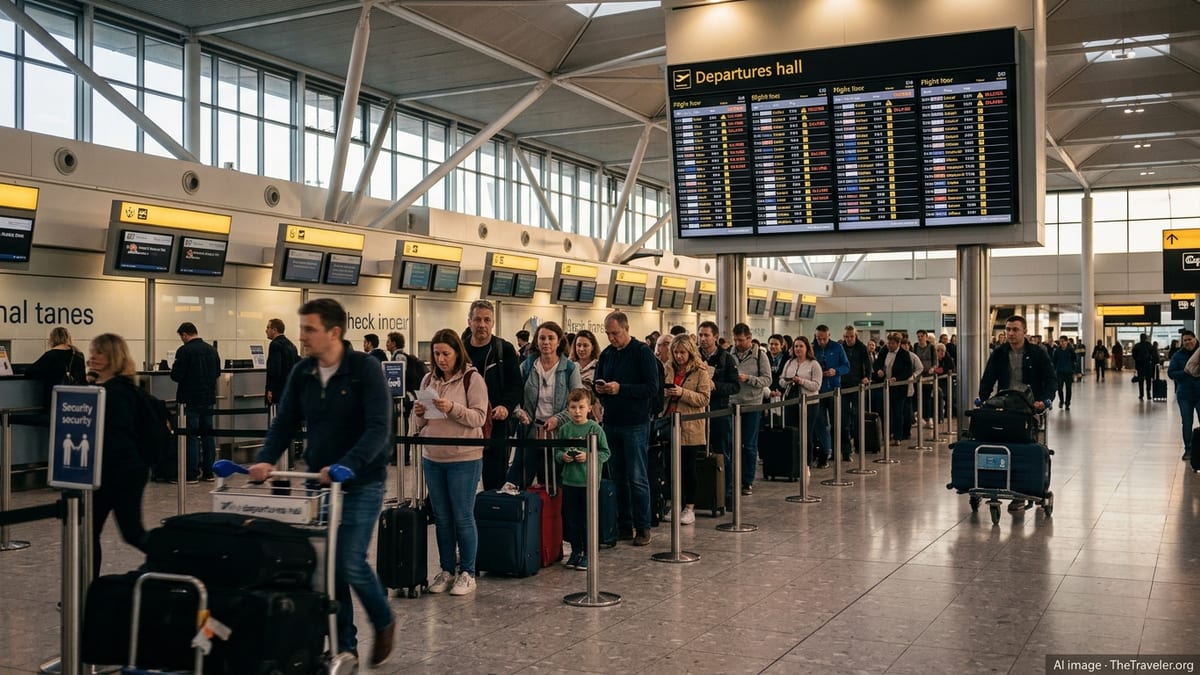
With Easter just around the corner, Britain’s Foreign Office has issued urgent travel advice covering some of the most popular holiday destinations among British travellers — including the UAE, Turkey, and Greece. The warnings come against a backdrop of rising geopolitical tensions, particularly in the Middle East, and officials are urging holidaymakers to stay closely informed before and during their trips.
For millions of Britons who book Easter getaways to escape the unpredictable spring weather at home, this guidance lands at a difficult moment. Flights, itineraries, and hotel bookings may all be affected by regional instability — and the Foreign Office advice makes clear that travellers should be prepared to adjust their plans at short notice.
If you have a trip booked to Dubai, Istanbul, or the Greek islands over the coming weeks, here is what the current guidance means for you and what you should be doing right now.
Why the Foreign Office Is Raising the Alarm Before Easter
The Foreign, Commonwealth and Development Office (FCDO) periodically updates its travel advice for countries around the world, but issuing warnings across multiple high-traffic holiday destinations simultaneously — and ahead of one of the busiest travel periods of the year — signals a heightened level of concern.
The core issue driving the warnings is the ongoing and escalating conflict across the Middle East. The UAE, while not a direct conflict zone, sits within a region where instability can ripple outward quickly, affecting flight paths, airport operations, and general security conditions on the ground.
Turkey faces a more specific concern: the country shares a border with Syria, and the situation in that region remains volatile. British travellers heading to popular Turkish resorts or cities are being reminded that the risks near the Syrian border are real and should not be underestimated, even if their destination is hundreds of miles away from the frontier.
Greece, meanwhile, is flagged in the context of broader regional tensions. While it remains one of the safest destinations on the list, the advice reflects a general atmosphere of uncertainty across the eastern Mediterranean that travellers should be aware of.
What the Travel Warnings Cover — Country by Country
| Destination | Primary Concern | Key Risk Factor |
|---|---|---|
| UAE (Dubai) | Regional Middle East conflict escalation | Potential flight disruptions and security uncertainty |
| Turkey | Proximity to Syrian border instability | Heightened security risks in border regions |
| Greece | Broader regional geopolitical tensions | Eastern Mediterranean instability |
The advice does not amount to a blanket “do not travel” order for any of these destinations. Rather, it urges travellers to stay informed, monitor updates from the FCDO, and have contingency plans in place in case conditions change rapidly.
The Practical Risks That Could Affect Your Holiday
Beyond the broader geopolitical picture, there are very practical consequences that British holidaymakers should be thinking about right now.
- Flight uncertainty: Escalating conflicts in the Middle East have previously led to airspace closures, rerouted flights, and last-minute cancellations. Travellers flying to or through Dubai should monitor airline communications closely.
- Travel insurance complications: If the FCDO advises against travel to a destination and you proceed anyway, many travel insurance policies will become void. Check your policy terms carefully before departure.
- On-the-ground security conditions: Even in destinations that appear calm on the surface, security postures can change quickly when regional tensions rise. Travellers should know the location of their nearest British consulate or embassy.
- Itinerary disruptions: Excursions, tours, and cross-border activities — particularly in Turkey — may be affected or suspended at short notice depending on how the situation develops.
Officials have noted that travellers should register their trip with the FCDO’s travel registration service where possible, ensuring they can be contacted or assisted quickly in the event of an emergency.
What British Travellers Should Do Before They Fly
The advice from the Foreign Office is consistent across all three destinations: stay informed, stay flexible, and do not assume that conditions will remain stable simply because a destination has felt safe in previous years.
There are several concrete steps travellers can take before departing:
- Check the FCDO’s official travel advice page for your destination — and check it again in the days immediately before your flight, as guidance can change rapidly.
- Contact your travel insurer to confirm your policy remains valid under current advisory conditions.
- Speak to your airline or travel operator about rebooking or cancellation options if the situation deteriorates further.
- Save the contact details for the British embassy or consulate in your destination country before you travel.
- Avoid travelling to border regions in Turkey, particularly areas close to the Syrian frontier, regardless of your final destination.
The Easter holiday period is one of the busiest travel windows of the year, which means that if disruptions do occur, the volume of affected travellers will be significant. Acting early — checking advice, reviewing insurance, and having a backup plan — is far better than scrambling at the airport.
The Bigger Picture Behind These Warnings
It would be easy to dismiss Foreign Office travel advice as overly cautious, but the timing here matters. The warnings have been issued specifically ahead of the Easter holiday rush, suggesting officials believe the risk level is high enough to warrant public attention before large numbers of British travellers board planes.
Geopolitical tensions across the Middle East and eastern Mediterranean have been building for some time. The concern is not just about direct threats to tourists, but about the unpredictability of how those tensions might manifest — whether through airspace disruptions, heightened security screenings, protests, or more serious incidents.
For now, none of these destinations are subject to a full “do not travel” advisory. But the message is clear: go in with your eyes open, keep checking for updates, and make sure you are not left stranded without a plan if things change.
Frequently Asked Questions
Has the Foreign Office told British travellers not to visit the UAE, Turkey, or Greece?
No. The FCDO has issued heightened travel advice and warnings, but has not issued a blanket “do not travel” order for any of these three destinations at this time.
What is the main concern about travelling to Turkey right now?
The primary concern relates to Turkey’s proximity to the Syrian border, where instability and security risks remain elevated. Travellers are advised to avoid border regions specifically.
Will my travel insurance still be valid if I travel to these destinations?
It depends on your policy. If the FCDO advises against travel to a specific area and you proceed, many insurers will void your cover — check your policy terms directly with your provider before travelling.
Why is Greece included in the travel warnings?
Greece is flagged in the context of broader regional geopolitical tensions across the eastern Mediterranean, rather than a specific in-country threat. The advice reflects general regional uncertainty.
What should I do if my flight is disrupted due to regional tensions?
Contact your airline or travel operator immediately to understand your rebooking and refund options. Having travel insurance that covers disruption is essential — confirm this with your insurer before you depart.
Where can I find the latest official FCDO travel advice?
The most up-to-date guidance is available on the UK government’s official FCDO travel advice pages, which are updated regularly and should be checked in the days immediately before any trip.



Leave a Reply