
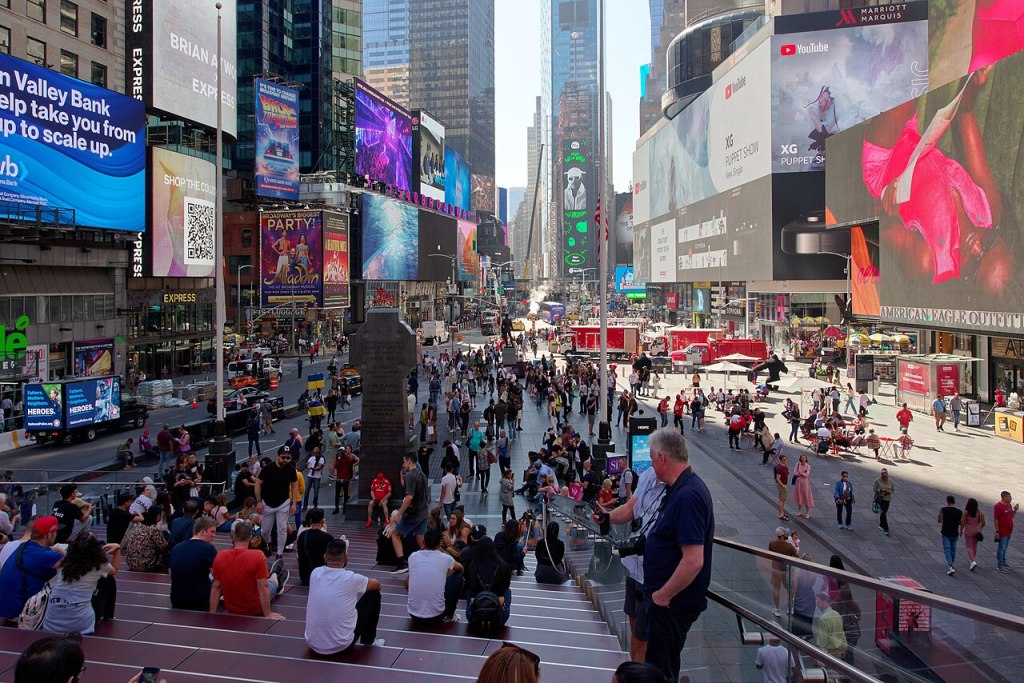
New York City saw a 3% drop in international visitors in 2025 — and the ripple effects are being felt from airline booking desks to luxury hotel lobbies across Manhattan. For a city that has long positioned itself as the world’s premier destination, that figure carries serious weight.
Tourists from the United Kingdom, Mexico, Italy, Canada, Germany, France, and Spain — historically among New York’s most reliable international visitor groups — have been arriving in noticeably smaller numbers. The reasons are multiple and overlapping: visa restrictions, elevated airfares, and broader economic uncertainty have all played a role in cooling demand. The result is an industry now scrambling to adjust.
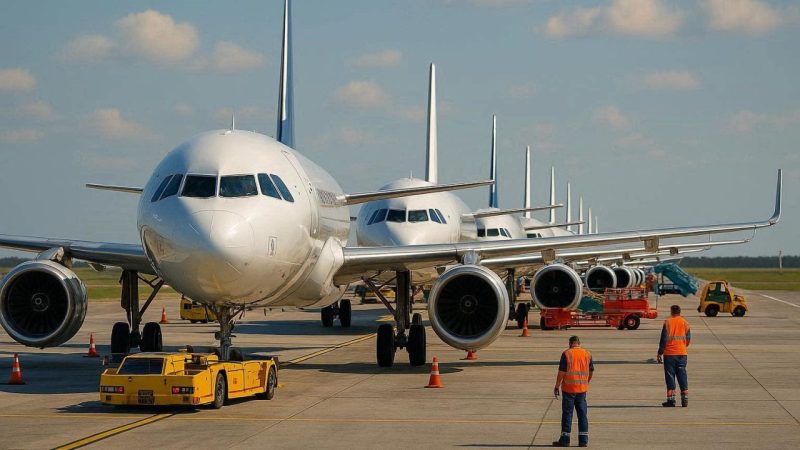
Airlines like Delta, British Airways, and United Airlines are already feeling the pressure, reconfiguring routes and schedules to account for weaker transatlantic demand. At the same time, major hotel groups including Marriott, Hilton, and Hyatt are grappling with softer occupancy rates — particularly in the luxury segments where international travelers have traditionally spent the most.
Why International Tourism to New York Is Falling
The decline isn’t the result of a single cause — it’s a convergence of pressures that have been building for some time. Visa processing delays and tightening entry requirements have made travel to the United States more complicated for visitors from several key source markets. When the paperwork becomes uncertain, many travelers simply choose a different destination.
High airfares have compounded the problem. Transatlantic routes, in particular, have remained expensive in the post-pandemic period, and for price-sensitive travelers weighing their options, a trip to Paris or Lisbon can look far more financially appealing than a flight to JFK. That competitive pressure from European destinations is real, and it’s showing up in the numbers.
Economic uncertainty in several of the key source countries has also dampened appetite for international leisure travel. When household budgets tighten, long-haul trips to expensive cities like New York are often among the first discretionary items cut.
The Airlines and Hotels Caught in the Crossfire
The business consequences are direct and measurable. Airlines operating transatlantic routes between New York and Europe are among the most exposed. Delta, British Airways, and United Airlines have all had to respond to a demand environment that is simply weaker than projections anticipated.
Route adjustments and schedule changes are one response. Lower load factors — the percentage of seats filled on any given flight — translate directly into reduced revenue per flight, putting pressure on profitability across transatlantic operations.
The hotel sector is facing its own version of the same problem. International visitors, particularly those from Western Europe and Canada, tend to book longer stays and spend more per night than domestic travelers. Losing that segment hits hardest in the luxury tier, where properties operated under brands like Marriott, Hilton, and Hyatt have historically relied on international guests to fill their highest-rate rooms.
| Sector | Companies Affected | Primary Impact |
|---|---|---|
| Airlines | Delta, British Airways, United Airlines | Route and schedule adjustments due to weaker transatlantic demand |
| Hotels | Marriott, Hilton, Hyatt | Lower occupancy rates, especially in luxury segments |
| Source Markets | UK, Mexico, Italy, Canada, Germany, France, Spain | Reduced visitor numbers contributing to the overall 3% decline |
What This Means for New York’s Tourism Economy
International visitors are not just tourists — they are a significant economic engine. They tend to stay longer, spend more per day, and patronize a wider range of businesses than domestic day-trippers. When their numbers fall, the impact spreads well beyond hotel lobbies and airport terminals.
Restaurants, Broadway shows, retail, museums, and local transportation all benefit from the spending patterns of international visitors. A sustained decline in arrivals from high-spending markets like the UK, Germany, and Canada can translate into meaningful revenue shortfalls across the entire hospitality and entertainment ecosystem.
The luxury hotel segment is particularly vulnerable. Properties that have calibrated their pricing and staffing models around a strong international guest base now face the challenge of either dropping rates to attract more domestic visitors or accepting lower occupancy — neither of which is a comfortable position.
What Happens Next for NYC’s International Visitor Numbers
The path forward depends heavily on factors that are not entirely within New York’s control. Visa policy is set at the federal level, and any easing of restrictions that would make entry simpler for travelers from affected countries would likely have a meaningful positive effect on arrivals.
Airfare pricing is another variable. If transatlantic fares moderate — either through increased competition or reduced fuel costs — the cost barrier for international visitors would lower, potentially reversing some of the demand decline. Airlines will be watching load factors closely across the coming booking windows to determine how aggressively to adjust capacity.
For hotels, the near-term strategy likely involves a mix of targeted international marketing campaigns and rate adjustments designed to remain competitive against other global city destinations. Whether those efforts are enough to offset the current trend remains to be seen.
New York remains one of the most recognized city brands on earth. But recognition alone doesn’t fill hotel rooms or airline seats — and right now, the city’s tourism industry is being reminded of that in very concrete terms.
Frequently Asked Questions
How much did international tourism to New York City drop in 2025?
New York City recorded a 3% decline in international visitors in 2025, a drop that has put significant pressure on the city’s airline and hotel industries.
Which countries saw the biggest drop in tourists visiting NYC?
The decline has been noted across visitors from the United Kingdom, Mexico, Italy, Canada, Germany, France, and Spain — all historically important source markets for New York tourism.
Which airlines are affected by the drop in NYC international visitors?
Delta, British Airways, and United Airlines are among the carriers feeling the impact, having to adjust transatlantic routes and schedules in response to weaker demand.
Which hotel brands are facing challenges due to the tourism decline?
Marriott, Hilton, and Hyatt have all been identified as facing pressure on occupancy rates, particularly in luxury segments that typically depend on international travelers.
What is causing fewer international tourists to visit New York?
The decline has been attributed to a combination of visa restrictions, high airfares, and economic uncertainties in key source countries.
Will international tourism to NYC recover soon?
This has not yet been confirmed, but recovery will likely depend on changes to visa policy, airfare pricing, and economic conditions in the countries that have historically sent the most visitors to New York.



Leave a Reply