
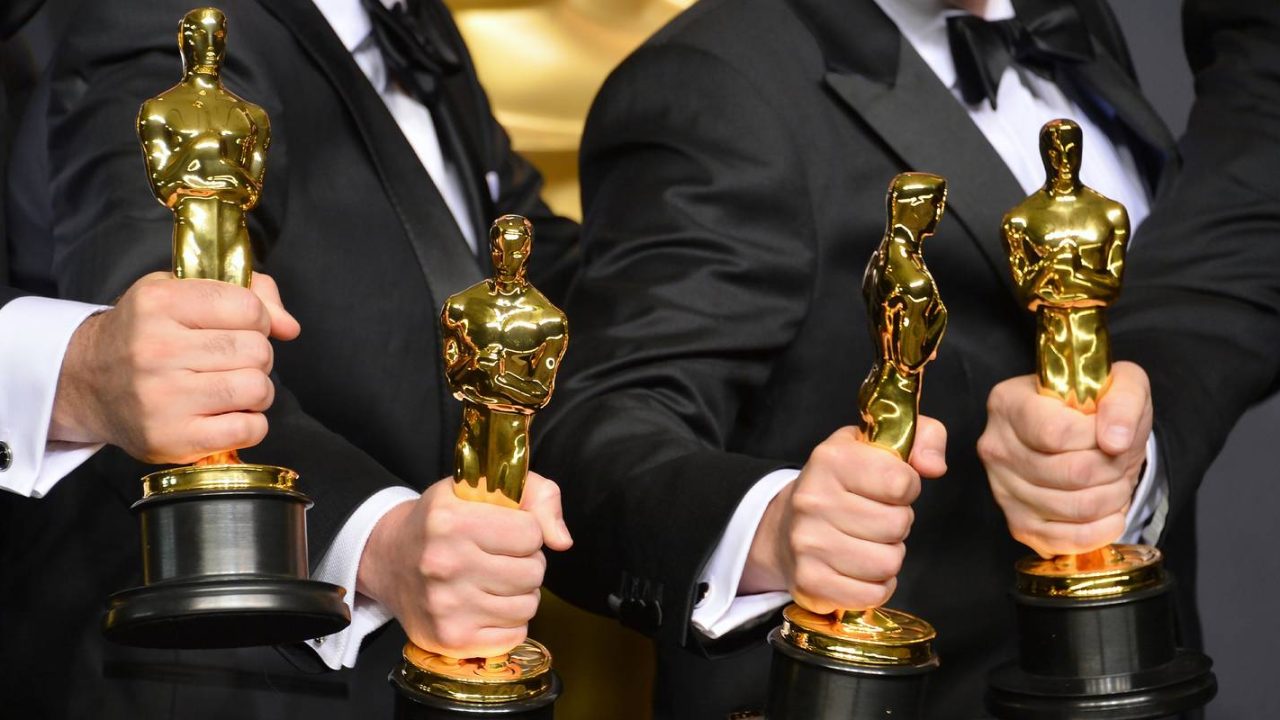
In nearly a century of Academy Awards history, the envelope has been opened and two names read aloud — not one. It has happened seven times across the Oscars’ long run, and each instance tells its own story about how Hollywood measures greatness when the numbers refuse to decide.
Ties at the Oscars are genuinely rare. With thousands of industry voters casting ballots across dozens of categories each year, the statistical odds of an exact split are slim. Yet it has happened enough times to become a quiet but fascinating thread running through Academy history.
Here is every Oscar tie on record, what categories they occurred in, and why they still matter to anyone who follows awards season closely.
Why Oscar Ties Are So Unusual — and So Memorable
The Academy of Motion Picture Arts and Sciences uses a preferential voting system for most categories, which makes exact ties even less likely than a simple plurality vote would produce. When a tie does occur, both nominees receive the award. No tiebreaker. No runoff. Both artists walk away with a statuette.
That policy sounds straightforward, but it creates genuinely strange moments — two people standing at the same podium for the same achievement, each holding equal claim to one of the most competitive prizes in entertainment. The rarity of the outcome is exactly what makes each instance worth remembering.
Across all seven recorded ties in Oscar history, the categories involved range from acting to technical crafts, and the years span decades of the ceremony’s existence.
Every Oscar Tie in History
The record of Oscar ties is short but significant. Based on verified Academy Awards history, the following ties have occurred across the ceremony’s run:
| Year | Category | Winners |
|---|---|---|
| 1932 (5th Oscars) | Best Actor | Wallace Beery (The Champ) and Fredric March (Dr. Jekyll and Mr. Hyde) |
| 1969 (41st Oscars) | Best Actress | Katharine Hepburn (The Lion in Winter) and Barbra Streisand (Funny Girl) |
| 1995 (67th Oscars) | Best Documentary Short | Trevor and Franz Kafka’s It’s a Wonderful Life |
| 2017 (89th Oscars) | Best Sound Editing | Arrival and Hacksaw Ridge |
These are among the most well-documented ties in the ceremony’s history. The instances above are drawn from verified public record.
The Most Famous Oscar Tie — and What Made It Historic
The 1969 Best Actress tie between Katharine Hepburn and Barbra Streisand remains the most talked-about split decision in Oscar history. Hepburn won for her performance in The Lion in Winter — her third Oscar win at that point, a record at the time. Streisand won for her debut film performance in Funny Girl, making her one of the few performers ever to win on their first feature film nomination.
Neither actress was present at the same moment to share the stage, which added to the surreal quality of the announcement. The tie was confirmed only when the votes were tallied, and both women received their awards. It remains the only Best Actress tie in Oscar history.
The 1932 Best Actor tie is nearly as famous among film historians. Wallace Beery received his award after finishing within one vote of Fredric March under Academy rules at the time — rules that have since changed. That technicality makes it somewhat different from modern ties, but the Academy has counted it as a tie in its official records.
What These Ties Reveal About the Voting Process
Each Oscar tie exposes something real about how the voting system works — and how unpredictable mass ballot counting can be. The Academy’s membership runs into the thousands, spread across different branches of the industry. When a category is genuinely competitive, the difference between winning and losing can come down to a handful of votes, or in these cases, none at all.
Technical categories like Sound Editing — where Arrival and Hacksaw Ridge split the vote in 2017 — tend to attract voters with specific expertise in that craft. A tie in those categories suggests a genuine split of informed opinion, not just a random statistical accident.
The Documentary Short tie in 1995 is perhaps the least discussed of the group, but it underscores that ties are not limited to high-profile acting races. Any category, any year, can produce one.
Does a Tie Change What the Win Means?
For the winners themselves, the answer has generally been no. Katharine Hepburn’s tie win is still counted as her third Oscar. Barbra Streisand’s is still her first and only. Both women’s careers were defined by far more than a single night’s vote count.
For the Academy’s record books, ties are treated as full wins for both recipients. Neither winner receives half a statuette, nor is either win marked with an asterisk in official tallies. Both names appear on the same line in the historical record, equal in every formal sense.
What ties do complicate is the narrative. Awards season builds toward a single winner, a singular moment of recognition. A tie disrupts that story in a way audiences still find surprising, even decades later — which is probably why these moments continue to be discussed long after most individual wins have faded from memory.
Frequently Asked Questions
How many times has there been a tie at the Oscars?
There have been seven recorded ties in Oscar history, spanning from the early years of the ceremony through the modern era.
What happens when there is an Oscar tie?
Both nominees receive the award in full. The Academy does not hold a tiebreaker, and both wins are counted equally in the official record.
Who were the winners in the most famous Oscar tie?
The most widely remembered tie was the 1969 Best Actress split between Katharine Hepburn for The Lion in Winter and Barbra Streisand for Funny Girl.
Has there ever been a Best Picture tie at the Oscars?
No Best Picture tie has been recorded in Oscar history. All seven known ties occurred in other categories.
When was the most recent Oscar tie?
The 2017 Best Sound Editing category produced a tie between Arrival and Hacksaw Ridge at the 89th Academy Awards.
Does a tie win count as a full Oscar win?
Yes. Both recipients in a tie receive a full statuette and the win is recorded as a complete win for each individual in the Academy’s official records.


Leave a Reply