
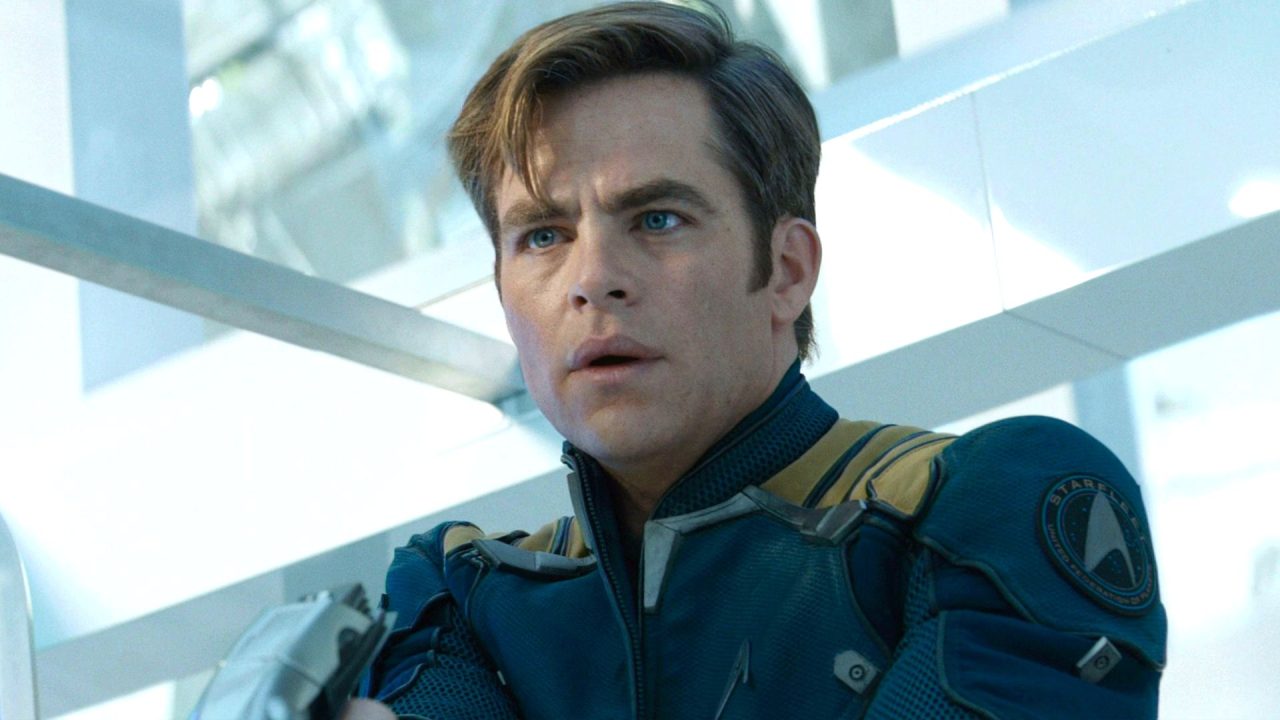
Few film franchises can claim a cinematic run spanning nearly five decades — but Star Trek has done exactly that. From its big-screen debut in 1979 to the present day, the franchise has produced 14 feature films across multiple casts, timelines, and creative visions. That’s a remarkable stretch of storytelling, and one that reflects just how deeply Star Trek has embedded itself into popular culture.
Whether you grew up with Kirk and Spock, came of age during the Next Generation era, or discovered the universe through J.J. Abrams’ rebooted Kelvin timeline, the Star Trek movie catalog has something for nearly every kind of science fiction fan. But not every entry has aged equally well — and knowing which films are worth your time, and which ones are more for completionists, is genuinely useful before you commit to a full rewatch.
Here’s a grounded look at all 14 Star Trek movies, organized by era, with the context you need to understand where each one fits in the larger story.
The Original Series Films: Where It All Began on the Big Screen
The original Star Trek television series ran from 1966 to 1969 and was cancelled before finding its massive audience in syndication. By the late 1970s, the cultural appetite for a return to the Enterprise was undeniable — and Paramount answered with Star Trek: The Motion Picture in 1979.
That first film is famously slow, more meditative science fiction than action adventure. It drew comparisons to Stanley Kubrick’s 2001: A Space Odyssey and divided audiences who expected something closer to the energy of the original show. Critically, it was a mixed bag — but it performed well enough to greenlight a sequel.
That sequel became one of the most celebrated entries in the entire franchise. Star Trek II: The Wrath of Khan (1982) introduced the villain Khan Noonien Singh, originally played by Ricardo Montalbán in the TV episode “Space Seed,” and delivered a story about aging, sacrifice, and mortality that still resonates today. The death of Spock at the film’s end remains one of the most emotionally effective moments in franchise history.
The films that followed told a continuing story across multiple entries — a relatively rare approach for blockbuster filmmaking at the time.
All 14 Star Trek Movies at a Glance
| Film Title | Year Released | Cast Era |
|---|---|---|
| Star Trek: The Motion Picture | 1979 | Original Series |
| Star Trek II: The Wrath of Khan | 1982 | Original Series |
| Star Trek III: The Search for Spock | 1984 | Original Series |
| Star Trek IV: The Voyage Home | 1986 | Original Series |
| Star Trek V: The Final Frontier | 1989 | Original Series |
| Star Trek VI: The Undiscovered Country | 1991 | Original Series |
| Star Trek Generations | 1994 | TOS / TNG Crossover |
| Star Trek: First Contact | 1996 | Next Generation |
| Star Trek: Insurrection | 1998 | Next Generation |
| Star Trek: Nemesis | 2002 | Next Generation |
| Star Trek (2009) | 2009 | Kelvin Timeline |
| Star Trek Into Darkness | 2013 | Kelvin Timeline |
| Star Trek Beyond | 2016 | Kelvin Timeline |
| Star Trek: Section 31 | 2025 | Kelvin / Mirror Universe |
The Next Generation Era and Why It Struggled to Match the TV Series
When Star Trek: The Next Generation made the jump from television to film with Star Trek Generations in 1994, it brought Patrick Stewart’s Captain Picard to the big screen alongside William Shatner’s Kirk for a brief but memorable crossover. The handoff was symbolic — one generation literally passing the torch to the next.
Star Trek: First Contact (1996) is widely considered the strongest of the TNG films. It pits the crew against the Borg in a time-travel story that also dramatizes humanity’s first contact with alien life. It’s tightly plotted, visually striking, and gave Stewart some of his best dramatic material in the role.
The two films that followed — Insurrection (1998) and Nemesis (2002) — are generally regarded as weaker entries. Nemesis in particular performed so poorly at the box office that it effectively ended the TNG film series and put the franchise’s theatrical future in doubt for nearly a decade.
The Kelvin Timeline Reboot and What It Changed
J.J. Abrams’ Star Trek (2009) reset the franchise entirely, introducing a new cast playing younger versions of the original characters within an alternate timeline created by time travel. Chris Pine took on Kirk, Zachary Quinto played Spock, and the film was a genuine blockbuster success — bringing Star Trek to audiences who had never engaged with the property before.
Star Trek Into Darkness (2013) proved more divisive, particularly for longtime fans who felt its connection to Wrath of Khan was more imitation than homage. Star Trek Beyond (2016), directed by Justin Lin, was better received critically but underperformed commercially.
The most recent entry, Star Trek: Section 31 (2025), arrived as a streaming film rather than a theatrical release, starring Michelle Yeoh as Emperor Philippa Georgiou. It marked a notable shift in how the franchise is delivering new content — moving away from cinemas and toward direct-to-streaming premieres.
What the Full Catalog Tells Us About the Franchise’s Future
Fourteen films across 46 years is a genuinely impressive output for any franchise. What’s striking about Star Trek’s theatrical history is how often it has reinvented itself — new casts, new timelines, new creative teams — while maintaining a core identity rooted in exploration, ethics, and humanity’s potential.
The franchise’s future on the big screen remains uncertain. Multiple Kelvin timeline sequels have been announced and stalled over the years. But with streaming offering a new avenue for feature-length storytelling, as Section 31 demonstrated, Star Trek appears to be adapting once again rather than fading out.
For viewers looking to start somewhere, Wrath of Khan and First Contact remain the most accessible and self-contained entries. For those who want the full arc, starting with The Motion Picture and working through chronologically offers a fascinating window into how both the franchise and American science fiction evolved across half a century.
Frequently Asked Questions
How many Star Trek movies have been made in total?
There are 14 Star Trek feature films, spanning from Star Trek: The Motion Picture in 1979 to Star Trek: Section 31 in 2025.
Which Star Trek movie is considered the best?
Star Trek II: The Wrath of Khan (1982) is widely regarded as the strongest entry in the franchise, praised for its dramatic weight and the performance of Ricardo Montalbán as Khan.
What is the most recent Star Trek movie?
Star Trek: Section 31, released in 2025 and starring Michelle Yeoh, is the most recent Star Trek feature film. It debuted as a streaming release rather than a theatrical film.
Are the Kelvin Timeline films connected to the original Star Trek universe?
Yes — the Kelvin Timeline was created within the story by a time-travel event, meaning it exists as an alternate timeline branching from the original continuity rather than a full replacement of it.
Which Star Trek film is generally considered the weakest?
Star Trek V: The Final Frontier (1989), directed by William Shatner, is frequently cited as the low point of the original series films, and Star Trek: Nemesis (2002) holds a similar reputation among the Next Generation entries.
Is there a new Star Trek movie in development?
Multiple Kelvin timeline sequels have been discussed and announced over the years, but none have entered confirmed production as of the most recent available reporting. The franchise’s theatrical future has not been officially confirmed.


Leave a Reply