
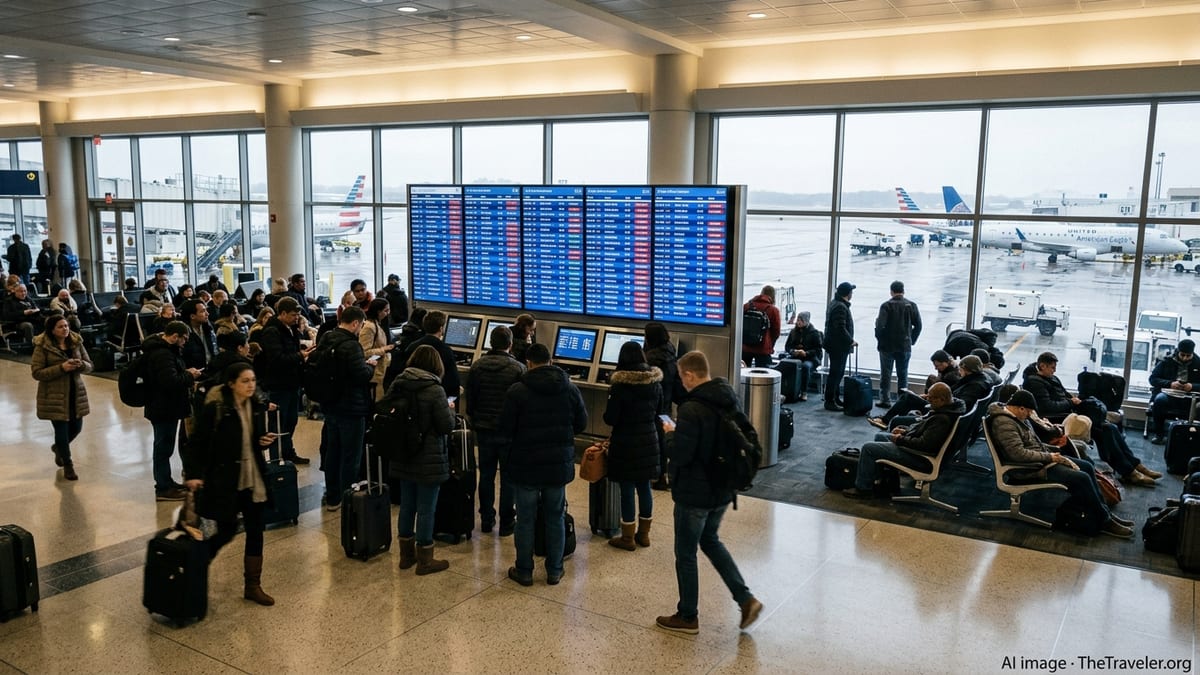
More than 120 flights were delayed and 4 were canceled at Reagan National Airport on March 20, 2026 — leaving travelers headed to New York, Boston, Philadelphia, and other major U.S. cities stranded, scrambling, and frustrated at one of the country’s busiest transit hubs.
The disruptions, confirmed by data sourced from government-verified aviation authorities, affected multiple carriers operating out of the Arlington, Virginia airport. The Federal Aviation Administration attributed the delays and cancellations to a combination of operational constraints and adverse weather conditions.
For anyone flying through Reagan National that day — or planning to in the near future — here’s what happened, which airlines were involved, and what it means for travelers along the Eastern Seaboard.
What Caused the Reagan National Airport Disruptions
Reagan National Airport serves as a critical hub for flights up and down the Eastern Seaboard and to destinations across the country. When things go wrong there, the ripple effects are immediate and wide-reaching — affecting not just Washington-area travelers, but anyone connecting through the airport from cities like New York, Boston, and Philadelphia.
According to the FAA, two primary factors drove the March 20 disruptions: operational constraints and adverse weather. These are among the most common culprits behind mass delays at busy airports, but the scale here — over 120 delays in a single day — signals a particularly difficult operational environment.
Airlines including PSA Airlines, Jazz Aviation, and American Airlines were among those caught up in the disruptions. The cascading nature of airline scheduling means that even a handful of delayed flights in the morning can push dozens more off schedule by the afternoon.
The Numbers: Delays and Cancellations at a Glance
The confirmed figures from aviation authorities paint a clear picture of how significant the disruption was. Here’s a breakdown of what was reported:
| Disruption Type | Total Count |
|---|---|
| Total Delays | 120 |
| Total Cancellations | 4 |
While four cancellations may sound modest compared to the delay count, cancellations carry a heavier burden for passengers — they typically mean rebooking, overnight stays, or missed connections that delays alone don’t always trigger.
The airlines confirmed to be affected by the disruptions include:
- PSA Airlines
- Jazz Aviation
- American Airlines
These carriers collectively handle a significant share of regional and national traffic through Reagan National, meaning the disruptions touched a broad cross-section of the traveling public.
Who Got Stranded — and Where They Were Trying to Go
Reagan National’s role as a gateway to the Northeast makes disruptions there particularly painful. Flights to New York, Boston, and Philadelphia — some of the most heavily traveled routes in American aviation — were among those affected. Major U.S. cities beyond the immediate Northeast corridor were also impacted.
For business travelers, the timing was especially costly. Reagan National is a preferred airport for government officials, lobbyists, and corporate travelers who need quick access to Washington, D.C., and connections to other major metros. A day of 120 delays doesn’t just inconvenience leisure travelers — it disrupts meetings, hearings, and time-sensitive professional commitments.
Tourism, too, takes a hit. The Washington, D.C. area draws millions of visitors annually, and Reagan National is often their first or last impression of the region. Delays and cancellations on this scale can sour the experience and create downstream problems for hotels, tours, and local businesses counting on timely arrivals.
Why Reagan National Is Especially Vulnerable to Disruptions
Reagan National operates under unique constraints that make it more susceptible to cascading disruptions than many other major airports. Its location — close to downtown Washington, adjacent to the Potomac River, and under strict airspace rules tied to national security — limits flexibility in how controllers can route traffic during adverse conditions.
When weather or operational issues arise, there’s less room to absorb the pressure compared to larger airports with more runways and greater airspace flexibility. The FAA’s dual attribution of adverse weather and operational constraints on March 20 reflects exactly that dynamic.
Officials have noted that airports serving dense, high-demand corridors like the Washington-to-New York route face compounding pressure during disruptions, since there are fewer alternative routing options and passenger volumes remain high regardless of conditions.
What Travelers Should Know Going Forward
If you’re flying through Reagan National in the coming days or weeks, the March 20 disruptions are a useful reminder of why preparation matters. A few practical steps can help reduce the impact of future delays:
- Check your flight status directly through your airline’s app before heading to the airport
- Sign up for FAA and airline delay alerts if traveling through high-traffic hubs
- Book earlier flights when possible — delays tend to compound as the day progresses
- Know your passenger rights in the event of a cancellation, including rebooking and compensation policies
- Consider travel insurance for trips with tight connections or time-sensitive itineraries
The airline industry continues to face pressure from weather unpredictability, staffing challenges, and infrastructure limitations — and Reagan National, given its unique constraints, often feels those pressures earlier and more acutely than other airports.
For the hundreds of travelers affected on March 20, the disruptions were real and immediate. For everyone else flying the Eastern Seaboard corridor, it’s a reminder that even a well-planned trip can run into forces that no app or early check-in can fully prevent.
Frequently Asked Questions
How many flights were delayed at Reagan National Airport on March 20, 2026?
A total of 120 flights were delayed at Reagan National Airport on that date, according to data from government-verified aviation authorities.
How many flights were canceled?
Four flights were canceled during the disruption period on March 20, 2026.
Which airlines were affected by the delays and cancellations?
PSA Airlines, Jazz Aviation, and American Airlines were among the carriers affected by the disruptions at Reagan National.
What caused the delays and cancellations?
The FAA attributed the disruptions to a combination of operational constraints and adverse weather conditions.
Which destinations were most affected?
Flights to New York, Boston, Philadelphia, and other major U.S. cities were among those impacted by the Reagan National disruptions.
Will affected passengers receive compensation?
Compensation eligibility depends on each airline’s individual policies and the specific reason for the delay or cancellation — this has not been confirmed in available reporting on the March 20 event.


Leave a Reply