
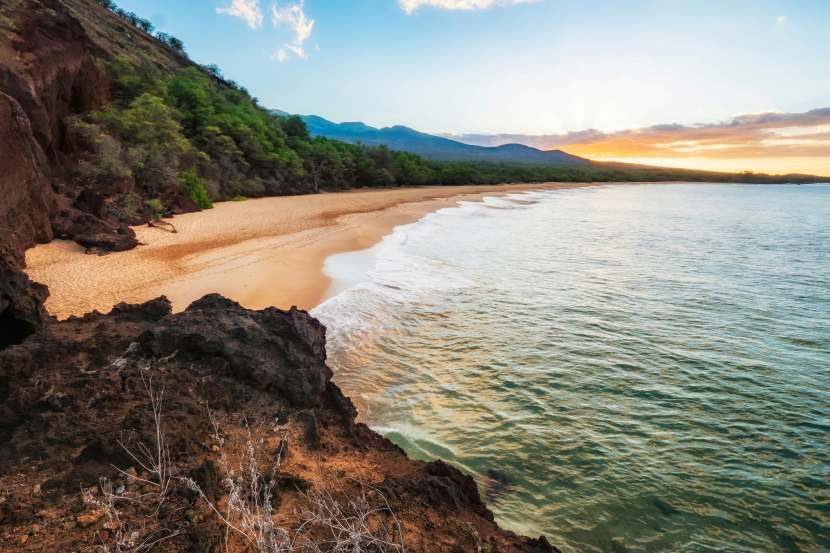
On New Year’s Eve 2025, the lights went out on one of Oahu’s most recognizable tourist attractions — and 167 people woke up on January 1, 2026 without jobs. The Paradise Cove Luau, a fixture of Hawaiian tourism for nearly five decades, held its final performance as a land lease expired at midnight, closing a chapter in the island’s visitor industry that many thought would never end.
What replaces it tells you a great deal about where Hawaii tourism is heading. A $135 million redevelopment project is now planned for the Kapolei site, with designs that look nothing like the traditional luau grounds that once defined it. The shift is striking — and it reflects a broader transformation playing out across the Hawaiian Islands.
For anyone who has visited Oahu over the past several decades, or who is planning a trip, the changes underway at this site signal something worth paying attention to.
The End of Paradise Cove Luau After Nearly Five Decades
Paradise Cove Luau was not a small operation. It ran for close to 50 years on Oahu’s western shore near Kapolei, drawing visitors who wanted a taste of traditional Hawaiian entertainment — fire dancers, imu ceremonies, music, and the kind of large-scale cultural performance that became synonymous with a Hawaiian vacation for generations of travelers.
Its closure was not sudden, but the timing was definitive. When the land lease expired on January 1, 2026, the business had no legal basis to continue. The final curtain fell on New Year’s Eve — a bittersweet ending that gave the attraction a ceremonial last night before the reality of unemployment set in for its workforce.
Those 167 employees represent real families in the Kapolei community, a region on Oahu’s leeward coast that has long depended on tourism-adjacent work. Losing a single employer of that size in one moment is a significant local economic event, regardless of what comes next for the land itself.
What the $135 Million Redevelopment Actually Means for the Site
The redevelopment plan for the former Paradise Cove property is ambitious by any measure. The $135 million project is designed to transform the site into an upscale destination that bears little resemblance to its predecessor. Current plans call for:
- High-end restaurants
- Luxury shopping
- Modern entertainment venues
The language used to describe the project — “upscale,” “luxury,” “premium” — is deliberate. Developers are clearly targeting a different kind of visitor than the one who once attended a traditional luau on that same land. Whether that represents progress or loss depends heavily on who you ask.
| Detail | Information |
|---|---|
| Former attraction | Paradise Cove Luau |
| Years in operation | Nearly five decades |
| Final performance date | New Year’s Eve 2025 |
| Lease expiration date | January 1, 2026 |
| Employees affected | 167 |
| Redevelopment investment | $135 million |
| Location | Kapolei, Oahu, Hawaii |
| Planned features | Luxury dining, high-end retail, modern entertainment |
Why Hawaii Tourism Is Moving Toward Premium Experiences
The Paradise Cove closure is not happening in a vacuum. It reflects a widely observed shift in what modern travelers — particularly those visiting Hawaii — say they want from a trip.
Observers of the tourism industry have noted that large-scale, traditional attractions that once defined the Hawaiian experience are increasingly giving way to smaller, more curated, and more expensive offerings. Travelers who might have once booked a luau as a default activity are now gravitating toward premium dining, boutique experiences, and upscale leisure that feels more personalized.
This trend carries real implications for how Hawaii positions itself as a destination. For years, the islands attracted a broad mix of visitors across income levels. The move toward luxury-oriented development suggests that some stakeholders see the future of Hawaiian tourism as a higher-spend, lower-volume model — one that generates more revenue per visitor while potentially narrowing access for budget travelers.
Critics of this direction argue that it risks eroding the cultural authenticity that made Hawaii distinctive in the first place. Supporters counter that premium development brings stronger economic returns and reduces the strain of mass tourism on local infrastructure and communities.
The Real-World Impact on Kapolei and Its Workers
For the 167 employees who lost their jobs when the lease expired, the philosophical debate about tourism trends is secondary to the immediate reality of finding new work. Kapolei is a growing community, but it is not a place where 167 tourism jobs are easy to replace overnight.
The closure also removes a long-standing cultural landmark from Oahu’s tourism map. For nearly 50 years, Paradise Cove offered visitors a version of Hawaiian tradition — however commercialized — that employed local people and kept certain performance arts visible to a mass audience. Whether the luxury development that replaces it will offer comparable local employment, or employment of a similar character, has not yet been confirmed.
What is clear is that the Kapolei area is undergoing significant change. The $135 million investment signals that developers see strong potential in the region — but the benefits of that investment, and who ultimately shares in them, will shape how this transition is remembered.
What Comes Next for the Site and Hawaii’s Visitor Industry
The redevelopment project is in the planning and transition phase following the lease expiration at the start of 2026. Construction timelines and specific opening dates for the new luxury destination have not been confirmed in available reporting.
What is clear is that the site will not return to its former identity. The era of Paradise Cove Luau is over, and the $135 million committed to its replacement signals that the transformation is intended to be permanent and substantial.
For Hawaii’s broader tourism industry, the question now is whether this kind of high-end redevelopment becomes a template replicated elsewhere on the islands, or whether it remains an isolated example of one site’s evolution. The answer will likely depend on how successfully the new development performs — and whether the visitors it targets actually show up in the numbers developers are counting on.
Frequently Asked Questions
When did Paradise Cove Luau close permanently?
Paradise Cove Luau held its final performance on New Year’s Eve 2025, with the land lease officially expiring on January 1, 2026.
How many people lost their jobs when Paradise Cove closed?
167 employees were affected by the closure when the lease expired at midnight on January 1, 2026.
What is being built to replace Paradise Cove Luau?
A $135 million redevelopment project is planned for the Kapolei site, featuring high-end restaurants, luxury shopping, and modern entertainment venues.
How long had Paradise Cove Luau been operating?
The luau operated for nearly five decades, making it one of Oahu’s longest-running tourist attractions before its closure.
When will the new luxury development open?
A specific opening timeline for the redeveloped site has not yet been confirmed in available reporting.
Where is the Paradise Cove site located?
The site is located in Kapolei, on the leeward coast of Oahu, Hawaii.


Leave a Reply