
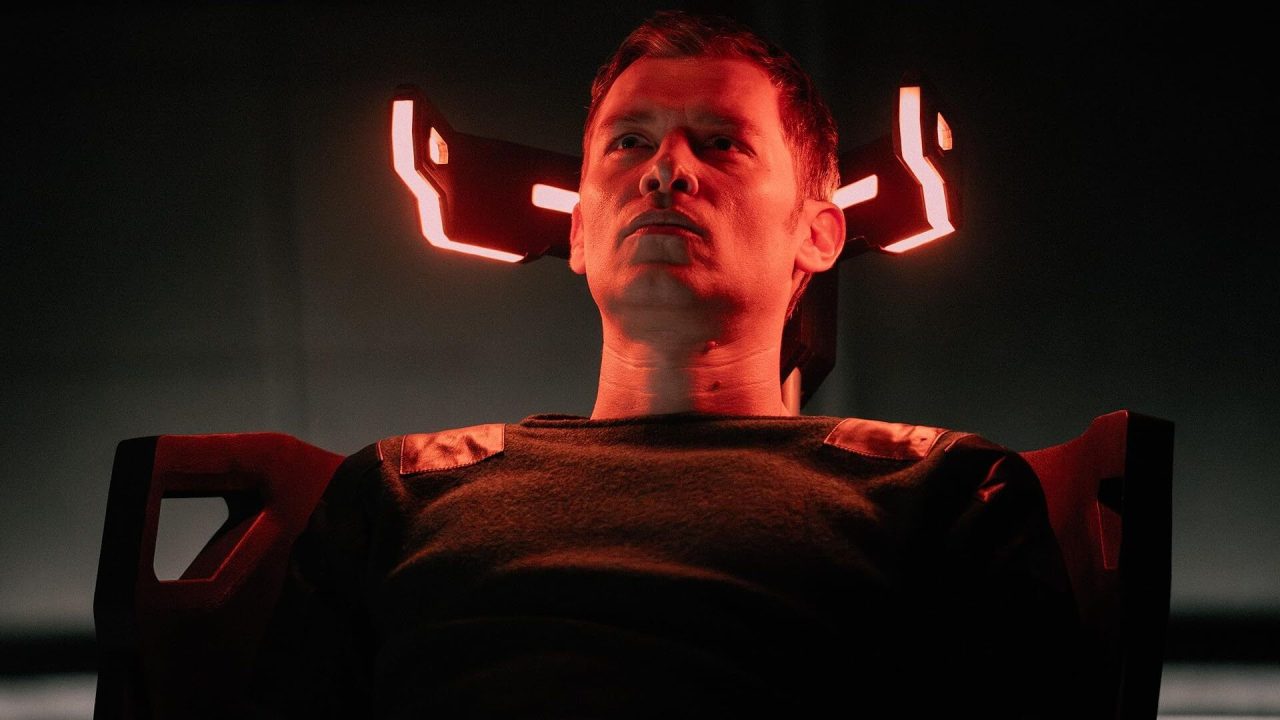
One of the most ambitious video game adaptations in streaming history may have been abandoned before it ever had a real chance to find its footing. The Halo TV series on Paramount+ arrived with enormous expectations, generated genuine buzz, and then disappeared — leaving fans of the franchise wondering whether the show was actually given enough time to become what it could have been.
The topic is drawing renewed attention, with critics and viewers alike revisiting the question: was the Halo series cancelled too soon, or did it earn its fate? The answer, depending on who you ask, is more complicated than a simple thumbs up or thumbs down.
What’s clear is that the series had a notoriously difficult road from development to screen — and that the challenges it faced may have shaped the finished product in ways that made a fair judgment nearly impossible.
A Development History That Was Never Simple
The Halo TV adaptation didn’t just appear on Paramount+. It was the product of years of stops, starts, and creative turbulence that stretched back well before the show ever entered production. The series had been in various stages of development for a long time, with the project changing hands and directions more than once before cameras finally rolled.
That kind of prolonged, complicated development process rarely produces a clean, confident piece of television. Shows that go through repeated delays and creative overhauls often carry the scars of that process on screen — in tonal inconsistencies, uneven pacing, or a sense that the creative vision was shaped by compromise rather than clarity.
The Halo series, by most accounts, showed signs of exactly that. Viewers who came in as fans of the games frequently noted that the show felt like it was pulling in multiple directions at once — trying to honor
What Made the Halo Series So Divisive
The central tension at the heart of the show was one that plagues nearly every major video game adaptation: how faithful do you stay to the source, and how much do you reinvent for a new medium?
Halo as a franchise is built on a specific mythology — the Spartan supersoldier Master Chief, the Covenant, the mysterious Forerunner structures, and an ongoing war for humanity’s survival. The games are beloved not just for their action but for their world-building and their particular emotional tone.
The TV series made choices that distanced it from that established mythology in ways that proved genuinely controversial. The decision to show Master Chief’s face — a choice the games had deliberately avoided for decades — became a flashpoint almost immediately. For many longtime fans, it felt like a fundamental misunderstanding of what made the character resonate.
Whether those choices were creative missteps or bold reinventions is still being debated. But the argument that the show was cancelled before it could course-correct is one that holds some weight, particularly given how many prestige series take a full season or two before they fully click.
The Case That It Deserved More Time
Television history is full of shows that stumbled in their first season and became genuinely great by their second or third. The creative team behind any ambitious adaptation needs time to understand what works, what doesn’t, and how to calibrate the balance between fan service and original storytelling.
The argument that the Halo series was given up on too soon rests on a few key observations:
- The show’s development delays meant it arrived carrying pre-existing creative baggage that would have taken time to resolve
- Video game adaptations as a genre have historically needed time to find their audience — several now-celebrated examples were slow starters
- The second season, by some accounts, showed signs of the series beginning to find firmer ground
- Paramount+ made its cancellation decision in a broader context of streaming budget pressures and platform restructuring, meaning the call may not have been purely about the show’s creative trajectory
That last point matters. When streaming platforms cancel shows, it is rarely a pure verdict on quality. Economics, subscriber data, licensing costs, and corporate strategy all factor in — and a show can be cancelled not because it failed, but because the platform’s priorities shifted.
What the Cancellation Actually Reflects
| Factor | Detail |
|---|---|
| Platform | Paramount+ |
| Source material | Halo video game franchise |
| Key creative controversy | Decision to show Master Chief’s face |
| Development history | Extended delays and repeated creative overhauls before production |
| Cancellation context | Broader Paramount+ budget pressures and platform restructuring |
| Critical debate | Whether the show was abandoned before it could course-correct |
The Halo cancellation fits a pattern that has become increasingly familiar in the streaming era. A high-profile, expensive adaptation launches with fanfare, draws a divided response, and gets cut before it can evolve — often because the platform that commissioned it is under financial pressure to trim costs.
Supporters of the show argue this is a disservice not just to the creative team but to the audience. A series built around a world as rich as Halo’s deserved the runway to figure out what it was trying to be.
Where This Leaves the Halo Franchise on Screen
With the Paramount+ series now cancelled, the future of Halo as a live-action property is uncertain. The franchise remains one of the most recognizable in gaming, and the appetite for a well-executed adaptation clearly exists — the debate around the show’s cancellation is itself evidence of how much people care about seeing the world of Halo brought to life.
Whether another studio or platform picks up the mantle remains to be seen. What the Paramount+ experience demonstrated, at minimum, is that a Halo adaptation needs both creative confidence and genuine institutional support to succeed — and that pulling the plug early doesn’t answer the question of whether it could have worked.
Frequently Asked Questions
What was the Halo TV series?
The Halo series was a live-action adaptation of the popular video game franchise that streamed on Paramount+, following the story of supersoldier Master Chief and humanity’s war against an alien alliance.
Why was the Halo series cancelled?
The cancellation came in the context of broader Paramount+ budget pressures and platform restructuring, meaning financial and strategic factors likely played a role alongside viewership considerations.
What made the show controversial with fans?
One of the most debated decisions was showing Master Chief’s face — something the games had deliberately avoided for decades — which many longtime fans felt undermined a core element of the character.
Did the show have a difficult development history?
Yes. The Halo series went through extended development delays and repeated creative overhauls before it entered production, which many observers believe affected the quality and consistency of the finished show.
Could the Halo franchise return to television or streaming?
This has not yet been confirmed. The franchise remains highly recognizable, and interest in a well-executed adaptation clearly exists, but no new project has been announced.
Was the cancellation purely based on the show’s quality?
Almost certainly not entirely. Streaming cancellations routinely reflect platform economics, subscriber data, and corporate strategy — not just a straightforward verdict on whether a show was good or bad.

Leave a Reply