
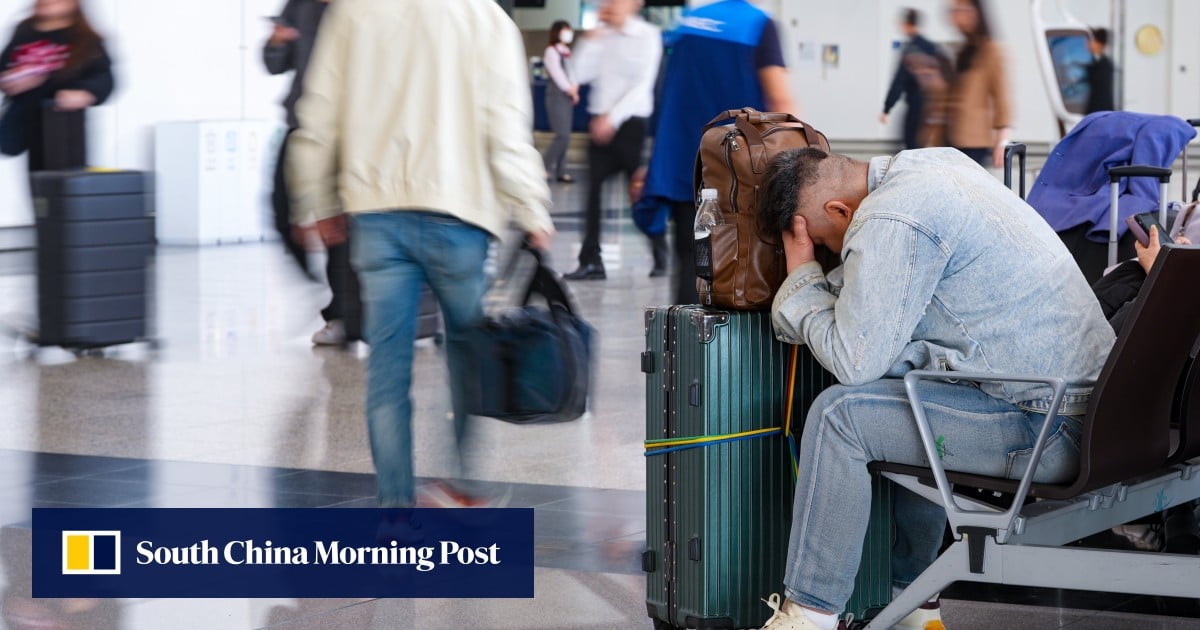
More than 37 flight cancellations and 129 delays have hit King Khalid International Airport in Saudi Arabia and the two major UAE hubs — Dubai International and Abu Dhabi International — leaving hundreds of passengers stranded with little clarity on when they will reach their destinations.
The disruptions, reported on March 24, 2026, span some of the busiest airlines in the Middle East, including Emirates, FlyDubai, Etihad Airways, and Qatar Airways. For anyone with travel plans through the Gulf region right now, the situation is fluid, frustrating, and showing no immediate signs of resolution.
If you are booked on a flight through any of these airports in the coming days, here is what the latest reporting confirms — and what you should be prepared for.
What Is Driving the Disruptions at These Three Airports
According to available reporting, the wave of cancellations and delays affecting Dubai International, Abu Dhabi International, and King Khalid International airports stems from a combination of operational challenges and severe weather conditions, compounded by ongoing regional instability across the Middle East.
Dubai International and Abu Dhabi International airports in the UAE have been hit particularly hard, with more than 21 cancellations and 48 delays reported across inbound and outbound flights at those two hubs alone. The remaining disruptions account for the broader figures affecting King Khalid International in Saudi Arabia as well.
The Gulf region’s airports function as critical global transit points. Dubai International, in particular, is consistently ranked among the world’s busiest airports by international passenger volume. When disruptions hit here, they ripple outward — affecting connecting flights across Europe, Asia, Africa, and beyond.
Airlines Affected and the Scale of the Flight Disruptions
The disruptions are not isolated to a single carrier. Multiple major airlines operating across the region are involved, making it harder for passengers to find alternative routing even when they want to rebook quickly.
| Airport | Confirmed Cancellations | Confirmed Delays |
|---|---|---|
| Dubai International & Abu Dhabi International (combined) | 21+ | 48+ |
| King Khalid International (Riyadh) | Part of overall 37 total | Part of overall 129 total |
| All Three Airports Combined | 37 | 129 |
The airlines confirmed to be affected include:
- Emirates — Dubai’s flagship carrier, one of the world’s largest long-haul airlines
- FlyDubai — the UAE’s low-cost regional carrier with extensive Middle East and Eastern Europe routes
- Etihad Airways — Abu Dhabi’s national airline, operating global long-haul routes
- Qatar Airways — the Doha-based carrier with a major presence at Gulf transit hubs
The breadth of airlines involved means passengers across budget, mid-range, and premium travel categories are all caught up in the disruption — there is no tier of traveler that has been left unaffected.
Who Is Stranded and What Passengers Are Facing Right Now
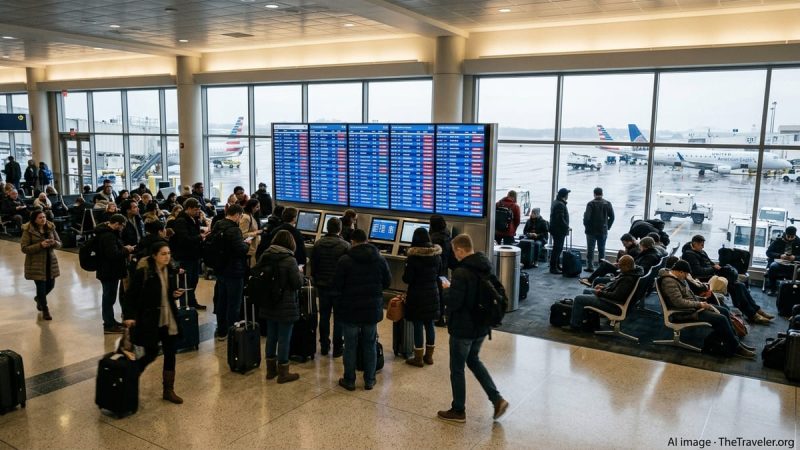
Hundreds of passengers have been left stranded across Saudi Arabia and the UAE as a direct result of these cancellations and delays. Long waits, uncertain rebooking windows, and a chaotic travel schedule are the immediate reality for those caught in the disruption.
For travelers transiting through Dubai or Abu Dhabi to reach onward destinations in Europe, Asia, or Africa, a cancelled or heavily delayed connection can mean being stuck in an airport for many hours — or even overnight — without guaranteed accommodation or a confirmed new departure time.
Passengers stranded at King Khalid International in Riyadh face similar uncertainty, particularly given that the disruptions there are occurring against a backdrop of ongoing regional instability, which can complicate both rebooking and ground logistics.
Travelers with tight itineraries, medical needs, or time-sensitive commitments — business meetings, family events, connecting cruise departures — are among those most severely impacted when disruptions of this scale occur at major transit hubs.
The Regional Instability Factor — Why This Is Bigger Than Weather
While severe weather and operational challenges are cited as contributing causes, the reporting explicitly links these disruptions to ongoing regional instability in the broader Middle East. This is a significant detail for travelers to understand.
Weather-related delays are typically resolved within hours as conditions improve. Disruptions tied to regional instability can be less predictable — airlines may adjust flight paths, reduce frequencies, or implement precautionary groundings that extend well beyond a single day of operations.
The Gulf aviation corridor is one of the most heavily trafficked in the world. Any sustained disruption at airports like Dubai International — which handles tens of millions of passengers annually — has consequences that extend far beyond the immediate region. Travelers connecting through these hubs from North America, Europe, or East Asia may find their itineraries affected even if their home airports are operating normally.
Officials have noted that travelers should monitor airline communications closely and check flight status frequently in the current environment, as conditions can change quickly.
What Travelers Should Do If Their Flight Is Affected
If you are scheduled to fly through Dubai International, Abu Dhabi International, or King Khalid International in the near term, there are practical steps worth taking now rather than waiting until you are at the gate.
- Check your airline’s app or website directly for real-time flight status updates
- Contact your airline’s customer service line as early as possible if you see disruption indicators — hold times will only grow as more passengers are affected
- Review your travel insurance policy to understand what coverage applies to cancellations and significant delays
- If you are transiting through one of these hubs, ask your airline about alternative routing options proactively
- Keep all booking confirmation numbers and receipts for any additional expenses incurred — these may be necessary for compensation claims
Passengers whose flights are cancelled are generally entitled to rebooking or refunds under the terms of their ticket, though the specific rights vary depending on the airline, the country of departure, and the nature of the disruption.
Frequently Asked Questions
How many flights have been cancelled and delayed across these airports?
A total of 37 cancellations and 129 delays have been reported across King Khalid International, Dubai International, and Abu Dhabi International airports as of March 24, 2026.
Which airlines are affected by these disruptions?
Emirates, FlyDubai, Etihad Airways, and Qatar Airways are among the airlines confirmed to be affected by the cancellations and delays.
What is causing the flight cancellations and delays?
Reporting indicates the disruptions are caused by a combination of operational challenges, severe weather, and ongoing regional instability in the Middle East.
Are passengers at all three airports stranded?
Yes — hundreds of passengers have been left stranded across Saudi Arabia and the UAE, with long waits and uncertain travel schedules reported at all affected airports.
Will the disruptions continue beyond March 24, 2026?
This has not yet been confirmed in available reporting. Travelers should monitor airline communications directly for the latest updates on their specific flights.
What should I do if my flight through Dubai or Abu Dhabi is cancelled?
Contact your airline as soon as possible to explore rebooking options, keep all receipts for additional expenses, and review your travel insurance policy for applicable coverage.


Leave a Reply