
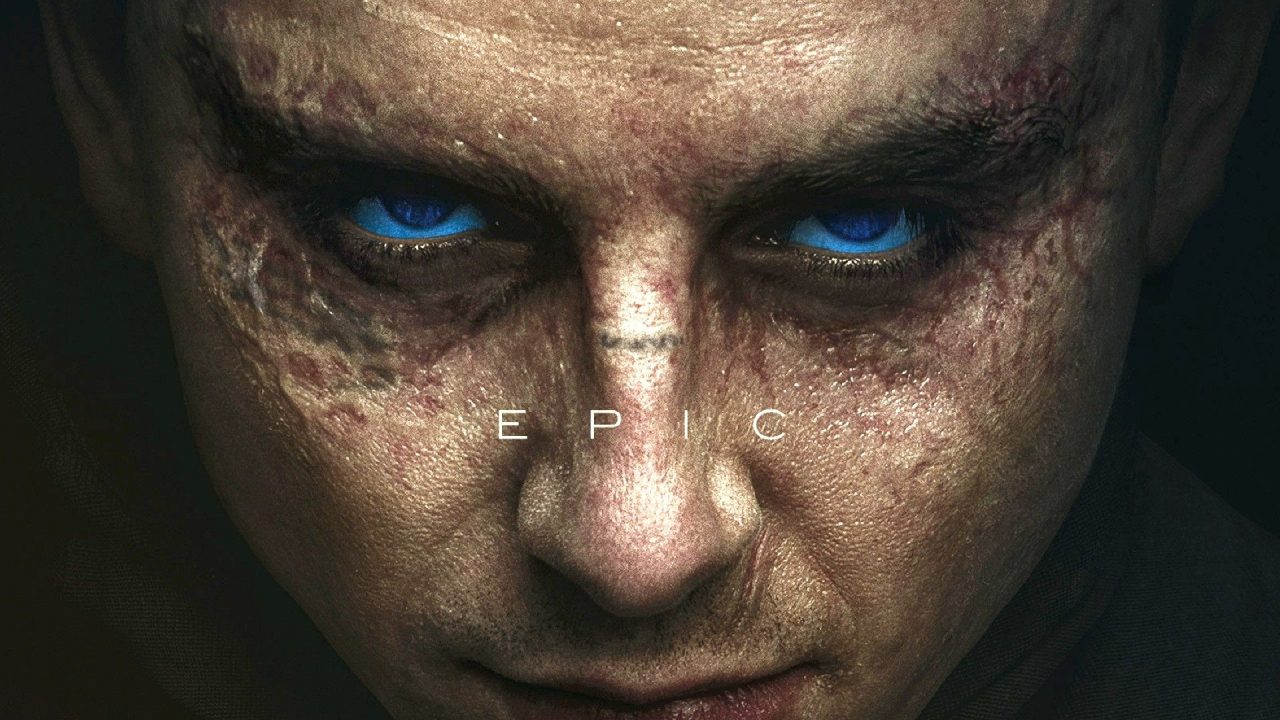
One of the most visually striking elements in the Dune film series has always been the eyes — those glowing, all-blue irises that mark the Fremen and those who have spent time on Arrakis. But as the story moves forward into its third chapter, viewers are noticing something different about Paul Atreides. His eyes don’t just glow anymore. There are scars. And that change isn’t cosmetic — it carries real narrative weight rooted directly in Frank Herbert’s source novels.
With Dune: Part Three in development and the story drawing from Herbert’s second novel, Dune Messiah, the appearance of Paul’s eyes is expected to shift dramatically from what audiences saw in Denis Villeneuve’s first two films. For fans of the books, this is a moment they’ve been anticipating for decades. For newcomers, it raises an obvious question: what exactly happened to him, and why does it matter?
What Dune Messiah Does to Paul Atreides
The third film is expected to adapt Dune Messiah, the 1969 sequel Herbert wrote partly as a critique of the hero worship his first novel had inadvertently encouraged. In that book, Paul is no longer the scrappy desert warrior audiences cheered for. He’s the Emperor of the Known Universe, presiding over a galaxy-spanning holy war fought in his name — one he never fully wanted and couldn’t stop.
The story takes a brutal turn when Paul is blinded by a stone burner, a weapon of mass destruction deployed by his enemies. The blast destroys his physical eyes entirely. Yet Paul doesn’t stumble in the dark. Because of his prescient abilities — his capacity to see through time — he continues to navigate the world using his vision of possible futures as a substitute for sight.
This is one of the most philosophically loaded moments in all of Herbert’s writing. A man who can see the future cannot see the present. He walks through the world perceiving what will happen while remaining blind to what is directly in front of him. It’s a haunting paradox, and it’s expected to be central to how Dune: Part Three portrays Paul visually.
Why Paul’s Eyes in Dune 3 Will Look Different
In the first two films, the blue-within-blue eyes of the Fremen — and eventually Paul himself — are the result of prolonged spice exposure. Melange, the substance that makes interstellar travel possible and grants limited foresight, saturates the body over time and permanently alters eye pigmentation. It’s a mark of belonging, of transformation, of addiction.
But the scarring and damage expected in Dune: Part Three goes beyond that. The stone burner doesn’t just change the color of Paul’s eyes — it destroys them. What viewers will likely see on screen are eyes that reflect physical trauma rather than mystical transformation. The visual shift is meant to signal something important: Paul’s journey from chosen one to broken ruler, from prophet to cautionary tale.
| Film | Eye Appearance | Cause | What It Represents |
|---|---|---|---|
| Dune: Part One | Normal, then beginning to shift blue | Early spice exposure on Arrakis | Paul’s transformation beginning |
| Dune: Part Two | Full blue-within-blue | Deep spice immersion, Fremen acceptance | Full messianic identity assumed |
| Dune: Part Three (expected) | Scarred, damaged, sightless | Stone burner attack from enemies | The cost of power and prophecy |
The Deeper Meaning Behind the Blindness
Herbert was deliberate about almost every detail in his writing, and Paul’s blindness is no accident. It forces the story to confront something uncomfortable: the man who could see everything coming couldn’t prevent it. His prescience, which audiences watched develop across two films as a superpower, becomes a cage. He sees the future so clearly that he feels locked into it, unable to deviate without catastrophic consequences.
Being physically blinded while retaining prescient sight is Herbert’s way of making that imprisonment literal. Paul can still function — still move, still speak, still lead — but he is cut off from the present moment in a way that mirrors his psychological state throughout Dune Messiah. He is a man trapped between what he knows must happen and what he wishes could be different.
For Timothée Chalamet, who plays Paul, this represents a significant performance challenge. The physicality of portraying a blind character who moves with confidence because he sees the future — rather than because he can see the room — is a technically and emotionally demanding ask. It’s one of the reasons Dune Messiah has long been considered difficult to adapt.
What This Means for How the Film Will Feel
Villeneuve’s first two films leaned into spectacle — vast desert landscapes, enormous sandworms, the thunderous arrival of a religious revolution. Dune: Part Three, if it follows The battles have already been fought. What remains is consequence.
Paul’s scarred, sightless eyes will be one of the most immediate visual signals to audiences that this chapter is different. Where the blue eyes once suggested power and destiny, damaged eyes suggest cost. The prophet has paid for his prophecy. The messiah has been broken by the very forces he set in motion.
That tonal shift — from ascent to reckoning — is exactly what Herbert intended with Dune Messiah, and it’s what makes Paul’s changed appearance in the third film so much more than a makeup decision.
Frequently Asked Questions
Why does Paul Atreides go blind in Dune?
In Frank Herbert’s novel Dune Messiah, Paul is blinded by a stone burner, a powerful weapon used by his enemies against him.
How does Paul function after losing his sight?
Paul uses his prescient abilities — his capacity to perceive future events — to navigate the world in place of normal vision, a deeply ironic situation given his powers.
What causes the blue eyes in the Dune films?
The blue-within-blue eye color seen among the Fremen and those who consume large amounts of spice is caused by prolonged exposure to melange, Arrakis’s most valuable substance.
Will Timothée Chalamet appear in Dune: Part Three?
Chalamet plays Paul Atreides across the film series and is expected to continue in the role for the third film, which is anticipated to adapt Dune Messiah.
Is Dune: Part Three confirmed?
As of
Did Frank Herbert intend Paul’s story as a warning?
Yes — Herbert has been widely documented as writing Dune Messiah specifically to challenge the hero-worship narrative of the first novel, using Paul’s downfall to critique blind faith in charismatic leaders.



Leave a Reply