
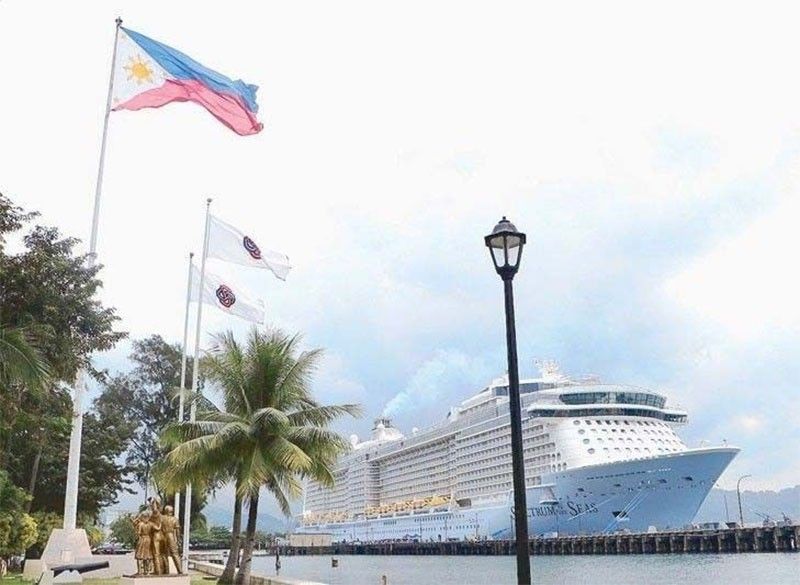
The Philippines is rewriting Southeast Asia’s cruise map — and the transformation is already underway. International cruise lines are adding Filipino ports to their Asian itineraries at a growing pace, drawn by the country’s tropical islands, cultural depth, and rapidly improving coastal infrastructure.
For travellers who have spent years cycling through the same regional cruise stops, the Philippines is emerging as something genuinely different. It offers a combination of natural beauty, warm local hospitality, and island variety that few destinations in the region can match. And with port upgrades accelerating across the archipelago, the logistics are finally catching up to the ambition.
This isn’t a quiet shift happening at the edges of the travel industry. It’s a fundamental repositioning of where Southeast Asia’s cruise tourism centres of gravity now sit.
How the Philippines Became a Serious Cruise Destination
For years, Southeast Asian cruise routes leaned heavily on a familiar set of ports — Singapore, Bangkok, Hong Kong, and a handful of others. The Philippines, despite being one of the most geographically spectacular archipelagos on the planet, remained largely on the periphery of major global cruise circuits.
That’s changing now, and the reasons are concrete. Port facilities in key cities including Manila and Cebu are being actively upgraded to accommodate larger modern cruise vessels. Regional coastal towns are also receiving infrastructure investment, opening up destinations that were previously inaccessible to cruise itineraries.
At the same time, international travel demand for the Philippines specifically has been climbing. Travellers are increasingly seeking out destinations that feel less crowded and more authentic than well-worn cruise favourites. The Philippines — with its more than 7,000 islands — delivers on both counts.
The Destinations Now Appearing on Global Cruise Routes
Three names keep coming up in conversations about the Philippines cruise boom, and each brings something distinct to the table.
- Boracay — Long celebrated for its white sand beaches and turquoise waters, Boracay has global name recognition among beach travellers. Its inclusion on cruise routes gives passengers direct access to one of Asia’s most iconic shorelines.
- Palawan — Consistently ranked among the world’s most beautiful islands, Palawan offers limestone cliffs, underground rivers, and marine biodiversity that few places on earth can rival. It represents the kind of dramatic, bucket-list scenery that makes cruise itineraries sell.
- Cebu — A major urban and cultural hub in the Visayas region, Cebu balances history, cuisine, and island access. Its established port infrastructure makes it a natural anchor point for Philippine cruise routes.
| Destination | Key Appeal | Infrastructure Status |
|---|---|---|
| Manila | Cultural and historical gateway, major urban hub | Port upgrades ongoing |
| Cebu | Regional hub, history, cuisine, island access | Established port, continued development |
| Boracay | World-renowned white sand beaches | Coastal access expanding |
| Palawan | Limestone scenery, marine biodiversity, natural wonders | Infrastructure investment underway |
What This Means for Travellers Planning a Southeast Asia Cruise
If you’ve been considering a Southeast Asia cruise in the next year or two, the Philippines expansion matters directly to your planning. Routes that previously skipped the archipelago entirely are now building Filipino ports into multi-week Asian itineraries — which means more choice, more variety, and access to destinations that genuinely feel off the beaten path even within a mainstream cruise format.
Travellers who prioritise natural beauty over urban sightseeing will find Palawan and Boracay stops particularly compelling. Those who want a blend of culture, food, and island-hopping options will find Cebu a strong base. And Manila, as the country’s capital, offers historical depth and city energy that rounds out any Philippine itinerary.
The improving port infrastructure also matters in practical terms. Better facilities mean smoother embarkation and disembarkation, more reliable shore excursion logistics, and an overall experience that meets the expectations of international cruise passengers.
What the Road Ahead Looks Like for Philippine Cruise Tourism
The momentum here is structural, not cyclical. Port development projects don’t get built and then abandoned — they signal a long-term commitment to cruise tourism as a pillar of the country’s travel economy. As those facilities come online and more cruise lines add Philippine stops to their published routes, the destination will only become more embedded in global cruise planning.
Regional travel observers note that the Philippines is now firmly part of global travel conversations in a way it wasn’t a decade ago. The combination of natural assets, improving infrastructure, and rising international awareness creates a compounding effect — more cruise visitors generate more investment, which attracts more cruise lines, which brings more visitors.
For the broader Southeast Asia cruise market, the Philippines’ rise also introduces healthy competition. Travellers now have genuine alternatives when building an Asian cruise itinerary, and destinations throughout the region will need to keep pace with what the Philippines is offering.
The archipelago has always had the raw ingredients for world-class cruise tourism. The infrastructure is now starting to match the scenery.
Frequently Asked Questions
Which Philippine destinations are now part of major cruise routes?
Boracay, Palawan, and Cebu are among the key destinations now appearing on international cruise itineraries, alongside the capital Manila.
What is driving the growth of cruise tourism in the Philippines?
The growth is being driven by ongoing port upgrades in cities like Manila and Cebu, rising international travel demand, and the country’s appeal as a fresh alternative to traditional Southeast Asian cruise stops.
Are Philippine port facilities ready for large international cruise ships?
Port facilities in Manila, Cebu, and several regional coastal towns are actively being upgraded to accommodate larger cruise vessels, though development is still ongoing.
How does the Philippines compare to other Southeast Asian cruise destinations?
The Philippines is positioning itself as a distinct alternative, offering tropical island variety, natural beauty, and cultural richness that differ from more established regional cruise ports.
Will more Philippine ports be added to cruise routes in the future?
Regional coastal towns beyond the major cities are receiving infrastructure investment, which suggests additional destinations could become accessible to cruise itineraries as development continues.
Is this a short-term trend or a lasting shift in Southeast Asia cruise tourism?
The ongoing port infrastructure investment points to a long-term commitment, suggesting the Philippines’ place on global cruise routes is structural rather than temporary.


Leave a Reply