
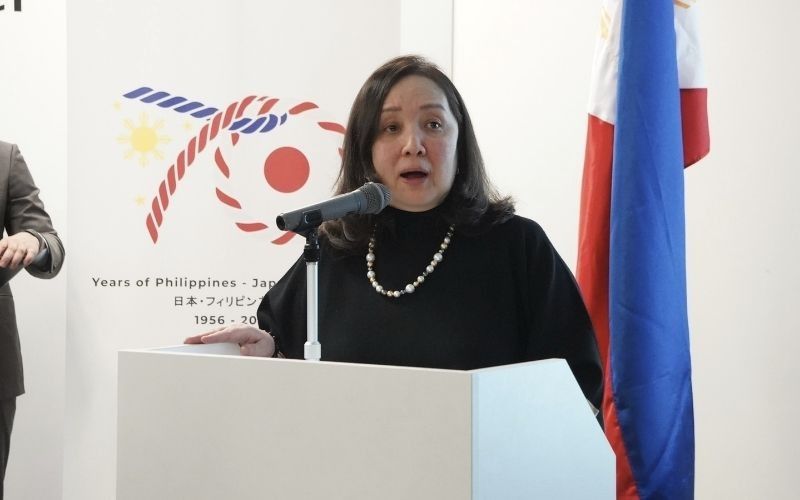
Two days ago, on April 10, 2026, President Ferdinand Marcos Jr. signed the papers that put a new name at the helm of Philippine tourism. The appointment was not a quiet bureaucratic shuffle. It landed in the middle of one of the most competitive periods Southeast Asian tourism has ever seen, and the clock is already ticking for results.
Bernardita “Dita” Angara-Mathay is now the Secretary of the Department of Tourism, stepping into a role that carries enormous weight for an archipelago whose natural assets are matched only by its struggle to consistently monetize them. If you are a traveler, an investor, or someone watching Southeast Asia’s tourism map shift in real time, this appointment deserves your attention.
Dita Angara-Mathay’s Decades of Public Service and What She Inherits
Angara-Mathay is described by the Presidential Communications Office as a seasoned public servant with decades of experience. That framing matters. Tourism secretaries who come from the private sector often prioritize marketing budgets and branding campaigns. Those from public service tend to focus on infrastructure, interagency coordination, and regulatory reform — areas where Philippine tourism has historically struggled.
The department she inherits faces a layered challenge. The Philippines posted strong post-pandemic visitor recovery numbers, but the country has not yet recaptured its pre-COVID trajectory in the way competitors have. Rebuilding that trajectory requires more than a new face. It requires fixing the structural bottlenecks that have frustrated visitors for years: inconsistent airport infrastructure, connectivity gaps between islands, and uneven service standards across the archipelago’s 7,641 islands.
Angara-Mathay’s background in public administration suggests she understands how government systems move, or fail to move. That institutional literacy could be exactly what the DOT needs right now.
| Country | Tourism Focus Strategy | Key Competitive Edge |
|---|---|---|
| Philippines | Island diversification, cultural tourism | Biodiversity, beach variety, English proficiency |
| Thailand | Medical tourism, luxury travel | Established infrastructure, global brand recognition |
| Vietnam | Heritage sites, budget travel | Low costs, UNESCO-listed attractions |
| Indonesia | Bali-centric, eco-tourism expansion | Iconic single destination, strong return visitors |
Regional Competition That Makes This Appointment Urgent
Southeast Asia is not waiting for the Philippines to catch up. Thailand has spent years positioning itself as a medical tourism powerhouse while simultaneously launching aggressive digital nomad visa programs. Vietnam has modernized its e-visa system and pushed hard on UNESCO heritage site marketing. Indonesia is moving beyond Bali, opening new gateways and building out Labuan Bajo and the Nusantara corridor.
The Philippines, by contrast, has sometimes operated as if its natural beauty alone were sufficient advertising. It is not. Travelers today choose destinations based on ease of entry, perceived safety, digital connectivity, and curated experiences. The country’s 7,641 islands offer an almost absurd abundance of raw material. Converting that raw material into bookings is the strategic problem Angara-Mathay now owns.
The timing of this appointment also carries political subtext. Marcos Jr. is managing a domestic agenda that includes infrastructure expansion and foreign investment attraction. Tourism intersects with both. An airport upgrade in Palawan or a new ferry network in the Visayas is simultaneously a tourism project and an infrastructure win. The DOT secretary who can align those interests will find allies across government agencies.
“President Marcos Jr. has named Bernardita ‘Dita’ Angara-Mathay as the new secretary of the Department of Tourism.”
— Inquirer.net, April 10, 2026
What a Tourism Revival Strategy Requires Beyond a New Secretary
Leadership changes generate headlines. Results require systems. The Department of Tourism does not operate in isolation. It coordinates with the Department of Transportation on airport and port capacity, with the Department of Foreign Affairs on visa policy, and with local government units that often have their own tourism agendas, budgets, and political incentives.
One of the persistent criticisms of Philippine tourism policy has been fragmentation. Marketing campaigns run from Manila without enough grassroots integration. Provinces with spectacular natural assets sometimes lack the trained hospitality workforce to deliver consistent visitor experiences. Community-based tourism initiatives that could spread economic benefits beyond resort enclaves have often been under-resourced.
Angara-Mathay’s public service background raises a reasonable expectation that she will push for interagency alignment. Getting the Bureau of Immigration, the Civil Aviation Authority, and the DOT speaking the same language on visitor facilitation would alone represent a significant operational upgrade.
The Philippines also has an English-language advantage that it has historically under-leveraged in tourism marketing. Unlike most of its regional competitors, the country operates largely in English at every service level. For travelers from North America, Europe, and Australia, that removes a friction point that genuinely affects destination choice. A savvy marketing pivot toward that differentiator could yield measurable results in long-haul arrivals.
The Traveler’s Perspective: What This Means for Booking the Philippines in 2026
For travelers, a leadership appointment at a tourism ministry is usually background noise. This one is different, because it comes at a moment when the Philippines is actively trying to win your itinerary back from competitors. That creates opportunity.
Destinations in active revival mode often invest heavily in visitor experience improvements precisely because they are trying to make a statement. New routes open. Promotional fares appear. Cultural festivals receive government backing. The Philippines has done this before, most notably with the successful rehabilitation and reopening of Boracay in 2018, which drew global attention back to the country’s beach credentials.
The Angara-Mathay appointment suggests Marcos Jr. wants that same energy applied nationally, not just to a single island. That ambition, if backed by budget and political will, could translate into tangible improvements for travelers booking trips in the next 12 to 18 months.
Palawan remains one of the most biodiverse marine environments on the planet. The Chocolate Hills of Bohol have no equivalent anywhere in the region. The rice terraces of Ifugao are a UNESCO World Heritage Site that most international travelers have still never visited. The raw product is extraordinary. The question has always been delivery.
Forward Outlook: Benchmarks to Watch Through 2027
Three metrics will tell the story of whether this appointment becomes a turning point or another chapter in a long list of promising starts that stalled. First, international arrivals growth in the second half of 2026. If the DOT launches an effective campaign and Angara-Mathay secures airline route expansion deals, the numbers should reflect that by Q3.
Second, visa policy changes. The Philippines has experimented with visa-on-arrival expansions before. A meaningful liberalization targeted at high-spend markets would be a concrete early signal of strategic seriousness. Third, infrastructure investment announcements. Tourism infrastructure projects tied to new destinations outside the traditional circuit of Boracay, Palawan, and Manila would indicate that the diversification rhetoric has budget behind it.
Angara-Mathay’s background in public administration also means she likely understands procurement timelines and budget cycles. That is less glamorous than a marketing rebrand, but it may matter more for sustained growth.
The Philippines is an archipelago of second chances. Its tourism sector has recovered from volcanic eruptions, typhoons, the pandemic, and its own policy missteps. Each time, the country’s fundamental appeal has reasserted itself. The travelers who found it during quieter periods often became its most vocal ambassadors.
Dita Angara-Mathay now has an opportunity to ensure the next wave of those travelers arrives not by accident, but by design. Whether she seizes it will depend on factors well beyond any single appointment — but appointments set directions, and directions, over time, become destinations.
Frequently Asked Questions

You Might Also Like
Emirates’ Urgent UK Advisory Hits Heathrow, Manchester, Glasgow
Emirates issued an urgent UK travel advisory affecting Heathrow, Manchester, Newcastle, Glasgow and Edinburgh due…

15 Secret American Towns Worth Finding in 2026
15 overlooked U.S. towns offer century-old architecture, thriving food scenes, and hotel rooms under $120/night…
101 Delays Hit Tampa International and Stranded Passengers Are Still Waiting
More than 100 flights were delayed and six were outright cancelled at Tampa International Airport…
Leave a Reply