
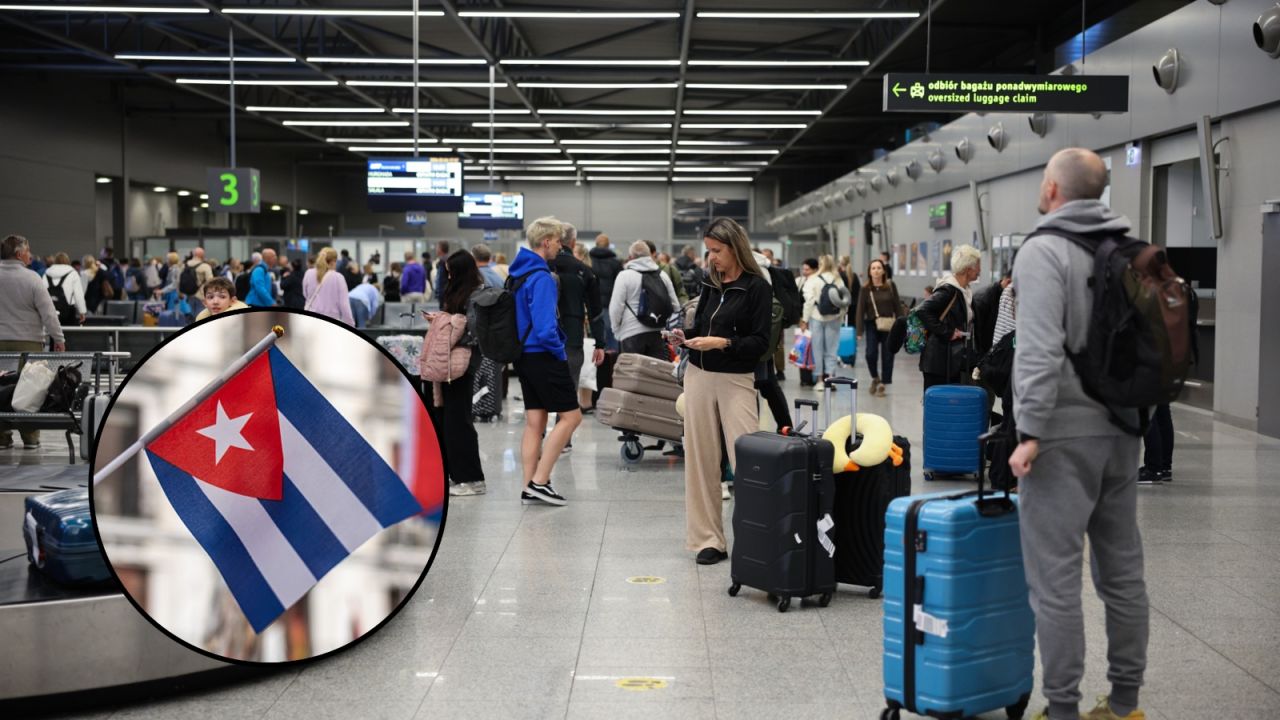
Poland has issued its highest-level travel advisory for Cuba, effectively telling its citizens to stay away from the Caribbean island entirely. The warning, announced by Poland’s foreign ministry in late March 2026, represents a significant escalation — moving Cuba into the most severe category of travel risk and suspending all non-essential transit to the country.
This isn’t a routine update buried in a government bulletin. It’s a formal signal that conditions on the ground in Cuba have deteriorated to the point where the Polish government no longer believes it can guarantee any meaningful consular protection for its nationals there. If you have a trip planned — or are simply passing through — this development is worth understanding before you make any decisions.
The core concern isn’t political unrest in the traditional sense. It’s something arguably harder to solve quickly: a deepening energy and economic crisis that has paralyzed the island’s basic infrastructure, leaving local services unable to provide even emergency response capacity.
What Poland’s Travel Ban Actually Means
When a government issues its highest-level travel advisory, it’s not merely expressing concern — it’s drawing a line. Poland’s foreign ministry has placed Cuba in this top-tier warning category, which corresponds to a recommendation to avoid all travel, including travel that might previously have been considered low-risk, such as short layovers or resort-based tourism.
The advisory specifically targets non-essential transit. That language matters. It means even travelers who aren’t planning to spend significant time in Cuba — those connecting through Havana to other destinations, for example — are being told to reconsider their routes.
The driving force behind the decision is Cuba’s ongoing energy and economic crisis. Power outages have become a defining feature of daily life on the island, and fuel shortages have compounded the problem by limiting transportation and logistics at every level. When emergency services can’t reliably respond, the risk calculus for any foreign visitor changes dramatically.
The Crisis Behind the Advisory: Cuba’s Infrastructure Collapse
Cuba’s situation didn’t emerge overnight. The island has been dealing with compounding economic pressures for years, but the crisis has now reached a point where it’s affecting the most fundamental systems — the ones travelers depend on when things go wrong.
Local services have reportedly lost their capacity to provide emergency responses. That means if a visitor faces a medical emergency, a security incident, or a transportation failure, the infrastructure that would normally be expected to help may simply not be functioning at the required level.
Fuel shortages affect everything from hospital generators to public transport. Power outages disrupt communications, refrigeration, and the basic functioning of hotels and public spaces. For a traveler, this creates a compounding chain of vulnerabilities that is difficult to plan around, regardless of how well-prepared you are before departure.
Key Facts Every Traveler Should Know
| Factor | Current Status | Impact on Travelers |
|---|---|---|
| Travel Advisory Level | Highest category (most severe) | All non-essential travel strongly discouraged |
| Advisory Issued By | Polish foreign ministry | Applies to all Polish nationals |
| Announcement Date | Late March 2026 | Immediate effect on travel planning |
| Power Outages | Ongoing and widespread | Disrupts communications, services, and safety systems |
| Fuel Shortages | Severe and systemic | Limits transportation and emergency response |
| Emergency Response Capacity | Severely compromised | Local services cannot reliably assist visitors in crisis |
Who This Affects — and Why It Goes Beyond Polish Travelers
Poland’s advisory is specifically directed at its own citizens, but the underlying conditions it describes affect every visitor to Cuba, regardless of nationality. The infrastructure failures driving this warning don’t discriminate by passport.
For Polish nationals currently in Cuba, the advisory serves as a strong signal to consider leaving if it is safe to do so. For those with upcoming bookings, the message is clear: weigh the risks seriously before proceeding.
But this story has broader implications for the global travel community. When a European government escalates to its highest warning tier, other governments and travel insurers take notice. Policies that cover medical evacuation or trip cancellation may be affected by the advisory status. Travelers from any country should check whether their insurance remains valid in a destination flagged at this level by multiple governments.
Tour operators, airlines, and travel agencies that serve Cuban routes are also watching developments closely. Advisories at this severity level can trigger contractual clauses that affect refunds, rebooking rights, and liability.
What Happens Next for Cuba-Bound Travelers
The Polish advisory will remain in place until the foreign ministry determines that conditions have improved sufficiently to warrant a downgrade. Given that the crisis is described as systemic — rooted in energy infrastructure and economic collapse rather than a single discrete event — a quick resolution seems unlikely.
Travelers with upcoming plans to visit Cuba should contact their airline, tour operator, and travel insurer as soon as possible to understand their options. In many cases, advisories at the highest severity level trigger specific protections for consumers, including the right to cancel or rebook without penalty.
For those already in Cuba, monitoring official government channels and maintaining contact with the nearest consular office is the most practical step. Consular services may themselves be operating under constrained conditions given the broader infrastructure situation.
The broader trajectory of Cuba’s energy and economic crisis will ultimately determine how long this advisory remains in force. Until there is a credible sign of stabilization, the Polish government’s position — and the real-world conditions it reflects — are unlikely to change.
Frequently Asked Questions
What level is Poland’s travel advisory for Cuba?
Poland has issued its highest-level travel advisory for Cuba, the most severe category available, recommending that citizens avoid all non-essential travel to the island.
When did Poland issue the Cuba travel advisory?
The advisory was announced by Poland’s foreign ministry in late March 2026.
Why has Poland banned travel to Cuba?
The advisory was triggered by a deepening energy and economic crisis in Cuba that has caused widespread power outages, fuel shortages, and a collapse in local emergency response capacity.
Does this advisory apply only to Polish citizens?
The advisory is formally directed at Polish nationals, but the infrastructure conditions it describes affect all visitors to Cuba regardless of their country of origin.
Can travelers get refunds if they cancel Cuba trips due to this advisory?
This depends on individual airline, tour operator, and travel insurance policies — travelers should contact their providers directly, as high-level government advisories often trigger cancellation protections.
Is there a timeline for when the advisory might be lifted?
No specific timeline has been confirmed. The advisory is tied to systemic conditions on the island, and the Polish foreign ministry has not indicated when a review is expected.



Leave a Reply