
Some books win awards and then quietly fade into the footnotes of literary history. Others win the Pulitzer Prize and somehow grow more essential with every passing decade. The second category is rarer than you’d think — and far more worth your time.
The Pulitzer Prize for Fiction has been awarded annually since 1948, recognizing novels that reflect American life with depth, honesty, and craft. But winning the prize is no guarantee of longevity. Plenty of Pulitzer winners feel dated within a generation. The ones that don’t — the ones that feel almost uncomfortably relevant today — share something harder to define than good writing. They got something fundamentally true about human nature, and that truth doesn’t expire.
If you’re looking for novels that reward rereading, that feel as urgent now as they did on publication day, these are the Pulitzer-winning titles worth keeping on your shelf.
Why Pulitzer-Winning Novels Age So Differently From Each Other
Not every prize-winning book is built to last. Some Pulitzer winners were celebrated for capturing a specific cultural moment — which is also exactly why they can feel like time capsules today. The novels that age best tend to operate on two levels simultaneously: they’re rooted in a particular time and place, but their emotional and moral questions are universal.
Think about what separates a novel that endures from one that doesn’t. It’s rarely the quality of the prose alone. It’s whether the central conflict — between people, between values, between what we want and what we do — still resonates when the specific historical backdrop has receded into the background.
The titles below have cleared that bar by a wide margin.
Eight Pulitzer-Winning Novels That Have Aged Remarkably Well
These novels span decades of American literary history, but each one continues to find new readers — and new reasons to matter.
| Novel | Author | Pulitzer Year | Why It Still Resonates |
|---|---|---|---|
| To Kill a Mockingbird | Harper Lee | 1961 | Race, justice, and moral courage remain unresolved American tensions |
| The Grapes of Wrath | John Steinbeck | 1940 | Economic displacement and the dignity of the poor feel perpetually current |
| Beloved | Toni Morrison | 1988 | America’s reckoning with slavery and trauma is still ongoing |
| The Road | Cormac McCarthy | 2007 | A father-son survival story that cuts to the core of what we live for |
| A Confederacy of Dunces | John Kennedy Toole | 1981 | Its satirical portrait of self-delusion feels sharper every year |
| The Color Purple | Alice Walker | 1983 | Resilience, identity, and found community speak across generations |
| Lonesome Dove | Larry McMurtry | 1986 | A meditation on friendship, ambition, and the myth of the frontier |
| Less | Andrew Sean Greer | 2018 | Midlife reinvention and the comedy of self-awareness hit differently over time |
The Books That Keep Finding New Audiences — and Why
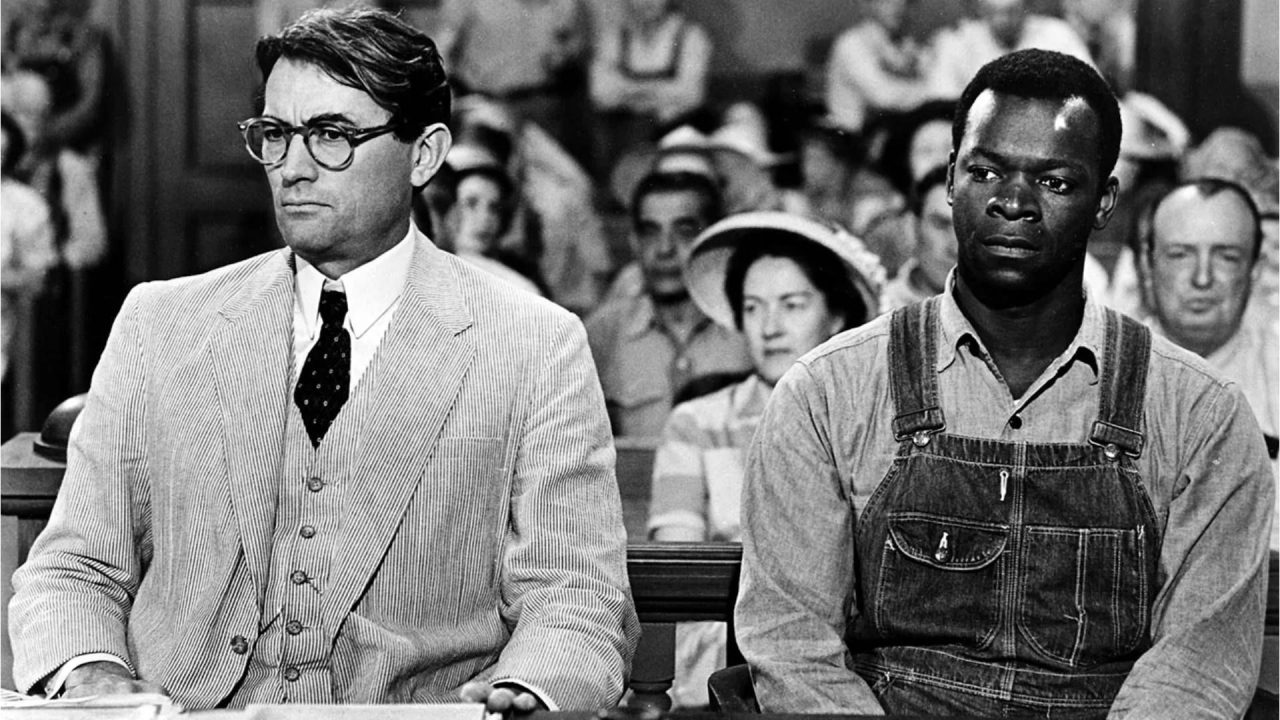
To Kill a Mockingbird is perhaps the most obvious entry, but obvious for good reason. Harper Lee’s 1960 novel about racial injustice in the American South has never stopped being taught, debated, challenged, and defended. Its staying power comes from Scout Finch’s perspective — a child watching adults fail to live up to their own stated values. That’s a story that doesn’t get old.
The Grapes of Wrath was controversial when it was published in 1939, banned in some places and celebrated in others. Today, its portrait of a family forced off their land by economic forces beyond their control reads almost like contemporary journalism. Steinbeck’s Joads are fictional, but their situation is not.
Beloved is arguably Toni Morrison’s greatest achievement, which is saying something given the company it keeps in her bibliography. It’s a ghost story, a historical novel, and a psychological portrait all at once — and its insistence that the past does not stay past feels more urgent, not less, as national conversations about history and memory continue.
The Road strips everything away. No names, no civilization, no hope that isn’t earned moment by moment. Cormac McCarthy’s 2006 novel asks what you would do to protect the people you love when everything else is gone. The question lands differently depending on when you read it — and it always lands hard.
A Confederacy of Dunces has a publication history as strange as its protagonist. John Kennedy Toole died by suicide in 1969, and his mother spent over a decade trying to get the novel published before it finally appeared in 1980. Ignatius J. Reilly — pompous, delusional, convinced the world has failed to recognize his genius — has only become more recognizable as a type in the years since.
The Color Purple follows Celie, a young Black woman in the American South, through abuse, survival, and eventual liberation. Alice Walker’s novel works as both a specific historical document and a timeless story about finding your voice when the world has tried to take it from you.
Lonesome Dove is a Western that uses the genre to interrogate the myths America tells about itself. Larry McMurtry’s two former Texas Rangers driving a cattle herd from Texas to Montana are searching for something they can’t quite name — and the novel is wise enough to know they probably won’t find it.
Less is the most recent entry on this list and perhaps the most surprising. Andrew Sean Greer’s comic novel about a middle-aged, moderately successful novelist traveling the world to avoid his ex’s wedding shouldn’t work as well as it does. But its warmth and its honesty about failure, embarrassment, and unexpected joy have made it a book people keep recommending to each other.
What These Novels Have in Common
None of these books are comforting in the easy sense. They don’t tie up neatly. They ask their readers to sit with difficult emotions — grief, injustice, loneliness, moral failure — and find something true in the discomfort.
That’s probably why they’ve lasted. Readers don’t return to books that made them feel nothing. They return to books that made them feel something they couldn’t quite articulate at the time and are still working through years later.
If you haven’t read all eight, the list above is as good a reading plan as any. If you have, it might be time to go back.
Frequently Asked Questions
What is the Pulitzer Prize for Fiction?
The Pulitzer Prize for Fiction is one of the most prestigious literary awards in the United States, recognizing distinguished fiction by an American author, preferably dealing with American life. It has been awarded annually since 1948.
Do all Pulitzer Prize-winning novels hold up over time?
Not necessarily. Many Pulitzer winners were celebrated for capturing a specific cultural moment, which can make them feel dated to later readers. The novels that age best tend to address universal human questions alongside their specific historical settings.
Which of these Pulitzer-winning novels is considered the most influential?
That’s genuinely contested, but titles like To Kill a Mockingbird, Beloved, and The Grapes of Wrath are consistently cited among the most culturally impactful American novels of the twentieth century.
When was A Confederacy of Dunces published, and why did it take so long?
The novel was published in 1980, more than a decade after author John Kennedy Toole’s death in 1969. His mother championed the manuscript for years before it was finally accepted for publication, and it won the Pulitzer Prize in 1981.
Is Less by Andrew Sean Greer considered a serious literary novel or more of a comic one?
It’s both — Greer’s novel is genuinely funny, but it’s also a thoughtful exploration of failure, aging, and self-deception. Its Pulitzer win in 2018 signaled that the prize committee recognized its depth beneath the comic surface.
Are any of these novels commonly taught in schools?
To Kill a Mockingbird and The Grapes of Wrath are among the most frequently taught novels in American high schools, though both have also been the subject of curriculum debates and, in some cases, removal attempts over the years.



Leave a Reply