

Twenty-five flights grounded in a single wave of disruption — that’s the scale of the travel crisis that struck Hamad International Airport, leaving passengers bound for destinations across the Middle East and Southeast Asia stranded, delayed, and scrambling for answers.
Qatar Airways, Gulf Air, and Malaysia Airlines are all caught up in the chaos, with cancellations and delays hitting major routes connecting Doha, Bahrain, Kuala Lumpur, Riyadh, and Kuwait City. For anyone with travel plans running through one of the world’s busiest aviation hubs, this is a story that demands attention.
The disruption reflects more than just a bad day at the airport. Operational strain, tighter scheduling margins, and network ripple effects have combined to create a situation that’s proving difficult to contain — even as airlines work to limit the damage.
What Is Actually Happening at Hamad International Airport
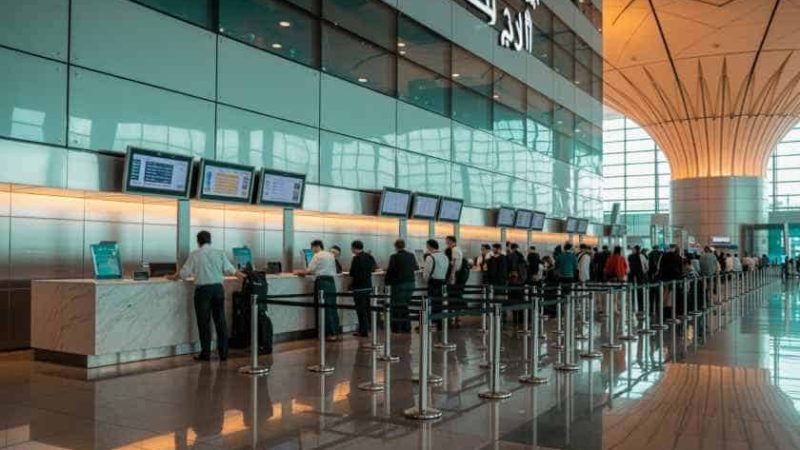
Hamad International Airport in Doha, Qatar, is one of the most strategically important aviation hubs in the world, connecting travelers between Europe, Africa, the Middle East, and Asia. When things go wrong here, the effects don’t stay local — they ripple outward across dozens of connecting routes.
The current disruption involves 25 flights that have been grounded, with additional delays compounding the pressure on airport operations. Three major carriers — Qatar Airways, Gulf Air, and Malaysia Airlines — are all affected, meaning the problems cut across both long-haul international routes and shorter regional connections.
The routes hit hardest span a wide geographic range. Passengers traveling between Doha, Bahrain, Kuala Lumpur, Riyadh, and Kuwait City are among those experiencing extended waiting times and uncertainty about when — or whether — their flights will depart.
Airlines have acted to address the situation, but the scale of the cancellations means recovery is slow. When 25 flights are removed from a hub’s schedule simultaneously, the knock-on effects for connecting passengers and gate availability can stretch disruption well beyond the flights directly cancelled.
The Routes and Airlines at the Center of the Disruption
Understanding which airlines and routes are involved helps passengers assess their own exposure to this disruption. Here’s what is confirmed:
- Qatar Airways — the home carrier at Hamad International — is among the airlines with grounded flights, affecting its extensive regional and international network.
- Gulf Air, Bahrain’s national carrier, operates frequent services between Doha and Bahrain, making its involvement particularly significant for travelers on that corridor.
- Malaysia Airlines connects Hamad International to Kuala Lumpur, one of Southeast Asia’s major aviation hubs, meaning the disruption has a direct impact on passengers traveling between the Gulf and Asia.
| Airline | Key Affected Routes | Status |
|---|---|---|
| Qatar Airways | Doha, Riyadh, Kuwait City and beyond | Flights grounded and delayed |
| Gulf Air | Doha – Bahrain corridor | Flights grounded and delayed |
| Malaysia Airlines | Doha – Kuala Lumpur | Flights grounded and delayed |
The combined effect across these three carriers means that travelers on both short regional hops and long intercontinental journeys are caught in the disruption. That breadth is what makes this incident unusually far-reaching.
Who Gets Hit Hardest and What It Means for Real Travelers
If you’re booked on any of these three airlines through Doha in the near term, the practical consequences are significant. Extended waiting times at the airport, uncertainty about rebooking options, and the stress of missed connections are all very real possibilities.
Passengers traveling on connecting itineraries — those who booked Hamad International as a transit point rather than a final destination — are particularly vulnerable. A cancelled or delayed inbound flight can trigger a cascade of missed connections that takes days to fully resolve, especially when the disruption spans multiple carriers.
Travelers heading to or from Bahrain, Riyadh, Kuwait City, and Kuala Lumpur face the most direct exposure based on the routes confirmed as affected. But given the interconnected nature of hub operations, passengers on adjacent routes may also experience delays as gates, crews, and aircraft are reallocated.
The disruption also reflects a broader challenge facing major aviation hubs: as scheduling margins tighten and demand remains high, a single operational strain event can rapidly escalate into a multi-airline, multi-route crisis. Hamad International, handling enormous volumes of connecting traffic, is especially sensitive to these kinds of cascading failures.
What Happens Next for Affected Passengers
For travelers currently caught in this disruption, the immediate priority is contacting their airline directly. Qatar Airways, Gulf Air, and Malaysia Airlines all have passenger rebooking policies that apply in cases of significant operational disruption, and affected passengers are generally entitled to alternative routing or refunds depending on the circumstances.
Airport staff at Hamad International are under pressure to manage the increased volume of passengers requiring assistance, so building in extra time and patience is advisable for anyone currently at the airport or heading there soon.
Longer term, the aviation industry will be watching how quickly Hamad International and the three carriers involved can restore normal operations. With major routes across the Gulf and Southeast Asia affected, the speed of recovery matters not just for individual passengers but for the broader regional connectivity that Doha’s hub status depends on.
Travelers with upcoming bookings on any of the affected airlines through Doha should monitor official airline communications closely for updates on whether their specific flights are impacted.
Frequently Asked Questions
Which airlines are affected by the Hamad International Airport disruption?
Qatar Airways, Gulf Air, and Malaysia Airlines are all confirmed as having flights grounded and delayed as part of this disruption.
How many flights have been cancelled or grounded?
A total of 25 flights have been grounded, with additional delays also reported across affected routes.
Which destinations are most affected by the flight cancellations?
Routes connecting Doha, Bahrain, Kuala Lumpur, Riyadh, and Kuwait City are among those confirmed as affected by the disruption.
What should passengers do if their flight is cancelled or delayed?
Passengers should contact their airline directly to explore rebooking options, as carriers are required to offer alternative routing or refunds in cases of significant operational disruption.
What caused the disruption at Hamad International Airport?
The disruption is linked to operational strain, tighter scheduling margins, and network ripple effects — though specific root causes have not been confirmed in detail.
Is the situation at Hamad International Airport ongoing?
Airlines have begun acting to address the situation, but the full scale of recovery has not yet been confirmed, and travelers are advised to check for updates from their carrier.



Leave a Reply