
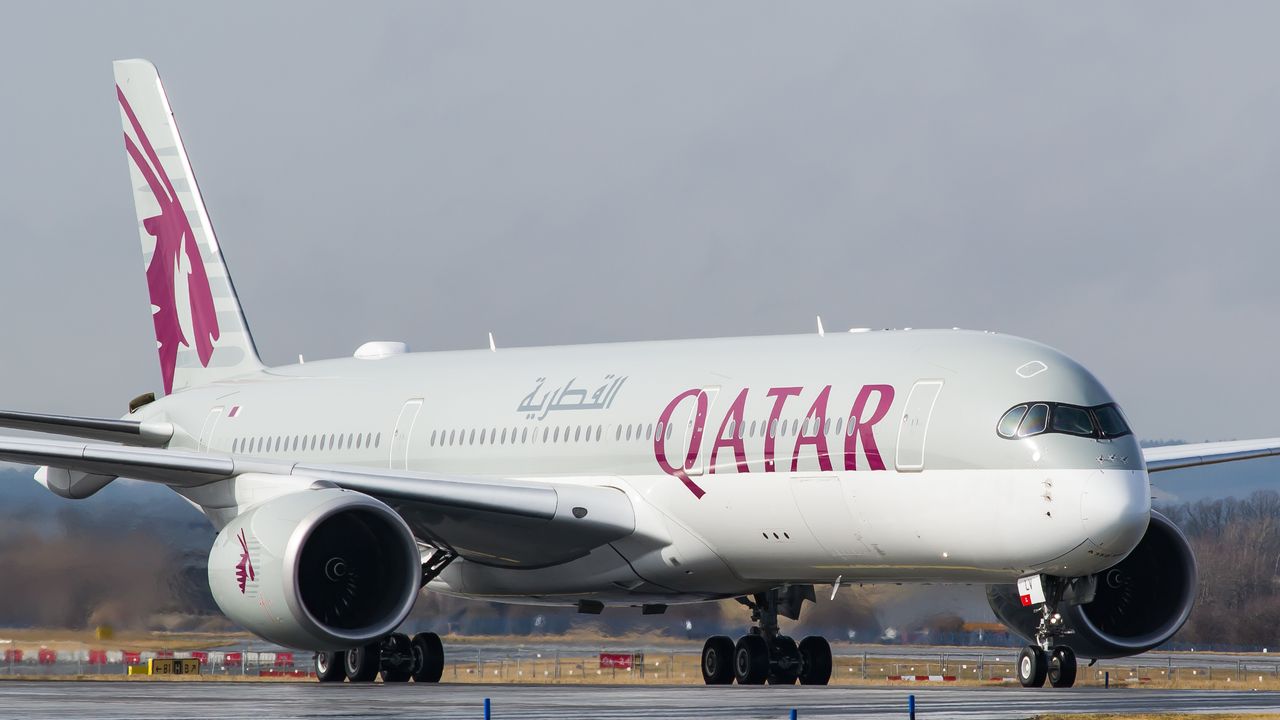
Qatar’s airspace is open again — but not fully, and not without careful conditions attached. Following a period of significant disruption tied to heightened regional tensions across the Middle East, Qatar has resumed limited flight operations, with the Qatar Civil Aviation Authority confirming that the country’s airspace is now under full operational control.
The return of flights is being handled in phases, with continuous monitoring in place to evaluate risks as the broader regional situation continues to evolve. For travelers, airlines, and the wider aviation sector, this cautious restart carries real consequences — and real questions about what comes next.
While the resumption marks a meaningful step forward, authorities have been clear that flight services are not yet back to pre-crisis levels. The phased approach reflects a deliberate balancing act: keeping people moving while not outpacing the safety conditions that make doing so responsible.
What Triggered the Disruption to Qatar’s Flight Services
The aviation disruptions in Qatar were a direct result of escalating regional tensions across the Middle East. As instability spread in recent weeks, flight operations were significantly impacted — a pattern that has become familiar for Gulf aviation hubs caught between their strategic geographic positions and the volatility of regional geopolitics.
Qatar occupies a critical position in global aviation. Doha’s Hamad International Airport serves as a major transit hub connecting Europe, Asia, Africa, and the Americas. Any sustained closure or restriction of Qatari airspace creates ripple effects far beyond the country’s borders, disrupting connecting flights, cargo routes, and international travel schedules for passengers worldwide.
The Qatar Civil Aviation Authority moved to assert full operational control over the airspace as a prerequisite for resuming services — a signal that safety infrastructure and monitoring systems were prioritized before commercial operations were allowed to restart.
Key Details of the Flight Resumption
The resumption of operations comes with important caveats that travelers and aviation professionals should understand clearly. Here is what is confirmed so far:
- Airspace status: Qatar’s airspace is confirmed to be under full operational control by the Qatar Civil Aviation Authority.
- Service level: Flights have resumed on a limited, restricted basis — not at full pre-crisis capacity.
- Monitoring: Continuous monitoring of regional risks remains active, with authorities assessing conditions on an ongoing basis.
- Phased approach: The reopening is being managed in stages, prioritizing safety over speed of recovery.
- Regional context: The resumption is taking place against a backdrop of continued broader instability across the Middle East.
| Factor | Current Status |
|---|---|
| Airspace Operational Control | Full control confirmed by Qatar Civil Aviation Authority |
| Flight Operations | Limited and restricted — not at pre-crisis levels |
| Risk Monitoring | Continuous and active |
| Recovery Approach | Phased reopening prioritizing safety |
| Regional Situation | Ongoing instability across the Middle East |
How This Affects Travelers and the Aviation Sector
If you have flights booked through Doha — whether you are transiting or traveling directly to or from Qatar — the current situation means reduced frequency and potentially altered routes. Airlines operating in and out of Qatar are working within the constraints of the phased reopening, which means schedules may not yet reflect normal operations.
Passengers should expect the possibility of delays, reduced flight options, and itinerary changes until full operations are restored. Anyone with upcoming travel plans involving Qatar is strongly advised to check directly with their airline for the latest status on their specific routes.
For the aviation sector more broadly, the disruption and partial recovery highlight how vulnerable major hub airports are to regional geopolitical events. Qatar’s role as a transit point for millions of international passengers each year means that even a partial restriction on its airspace has outsized effects on global connectivity.
Airlines that rely on Qatari airspace for overflights — not just those flying to Doha — may also find their route options affected during this period of restricted operations. Cargo carriers, charter operators, and commercial airlines all face operational adjustments until the situation stabilizes further.
What Happens as Qatar Works Toward Full Recovery
The path back to normal operations depends heavily on how the regional situation develops. Authorities have framed the phased approach as a commitment to balancing safety with operational continuity — which means the pace of recovery is tied directly to conditions on the ground across the wider Middle East.
The fact that full operational control of the airspace has already been established is an encouraging sign. It suggests the foundational infrastructure for a complete return to service is in place, and that the remaining constraints are precautionary rather than structural.
Officials have noted that the gradual restoration of services reflects a deliberate strategy — one designed to avoid restarting too quickly and creating new safety risks. As monitoring continues and regional conditions are assessed, further steps toward full operations are expected to follow.
For now, Qatar’s aviation sector is in a holding pattern — functional, cautious, and watching closely. The speed of the full recovery will depend on factors that extend well beyond the country’s own borders.
Frequently Asked Questions
Is Qatar’s airspace open right now?
Yes. The Qatar Civil Aviation Authority has confirmed that the country’s airspace is under full operational control, though flight services are operating on a limited and restricted basis.
Are flights to and from Qatar running normally?
Not yet. Operations have resumed but remain below pre-crisis levels as part of a phased reopening approach that prioritizes safety.
What caused the flight disruptions in Qatar?
The disruptions were caused by heightened regional tensions and instability across the Middle East in recent weeks.
When will Qatar return to full flight operations?
A specific timeline has not been confirmed. Authorities are monitoring the regional situation continuously, and further steps toward full operations are expected as conditions allow.
What should travelers with Qatar flights do right now?
Passengers are advised to contact their airline directly to check the current status of their specific routes, as schedules remain subject to change during the restricted operations period.
Is it safe to fly through Qatar currently?
Authorities have confirmed full operational control of the airspace and stated that continuous monitoring is in place to assess risks, but travelers should stay updated through their airlines and official sources.




Leave a Reply