
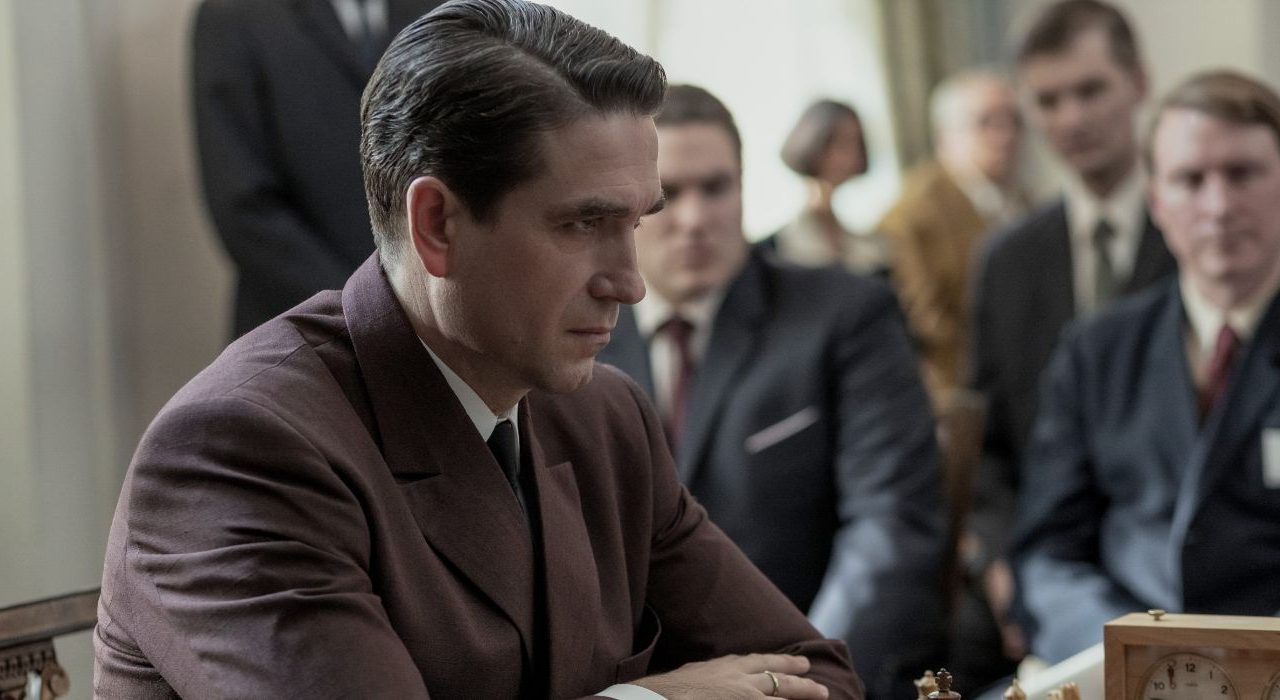
Sixty-two million households watched The Queen’s Gambit within its first month on Netflix — a number so staggering it briefly broke the streaming platform’s own records and turned a seven-episode miniseries about chess into one of the most-talked-about cultural events in recent television history.
That figure wasn’t just impressive for a limited series. It was remarkable for any piece of content on Netflix at the time, placing The Queen’s Gambit among the platform’s most-watched titles ever. For a show centered on a board game that most people associate with quiet concentration rather than edge-of-your-seat drama, that kind of reach is genuinely difficult to explain — and even harder to ignore.
If you haven’t watched it yet, or if you’re wondering why people are still talking about it, here’s what made this particular miniseries such an unlikely phenomenon.
What The Queen’s Gambit Is Actually About
The Queen’s Gambit is a seven-part Netflix miniseries adapted from Walter Tevis’s 1983 novel of the same name. The story follows Beth Harmon, an orphaned chess prodigy who rises through the male-dominated world of competitive chess during the 1950s and 1960s, while simultaneously battling addiction and the psychological weight of her turbulent childhood.
What makes the series work — and what clearly resonated with tens of millions of viewers — is that it’s not really about chess. It’s about obsession, resilience, loneliness, and the particular kind of brilliance that can feel as much like a burden as a gift. The chess board becomes a lens through which the show examines something far more universal.
The production design, the period costumes, and the performances all drew widespread critical praise. The show became a rare case where critical acclaim and mass-audience enthusiasm arrived at exactly the same moment.
The Numbers Behind the Queen’s Gambit Phenomenon
The 62 million household figure is the headline stat, but the show’s cultural footprint went well beyond streaming numbers. Its impact was measurable in some genuinely unexpected places.
| Category | Detail |
|---|---|
| Format | 7-part limited miniseries |
| Viewership (first month) | 62 million households |
| Source material | Walter Tevis’s 1983 novel |
| Platform | Netflix |
| Genre | Drama / Limited Series |
Those numbers placed it firmly in the conversation as one of Netflix’s most successful limited series releases. For context, pulling 62 million household views in a single month is the kind of performance that most big-budget feature films would envy — let alone a period drama about competitive chess.
Why This Kind of Miniseries Format Hits Differently
Part of what drove the show’s massive viewership was the format itself. Seven episodes is a sweet spot for binge-watching — long enough to build genuine emotional investment in a character, short enough that viewers can complete it over a weekend without feeling like they’ve committed to a multi-season odyssey.
The limited miniseries format has become one of streaming’s most reliable tools for generating cultural conversation. Because there’s a definitive ending, viewers feel compelled to finish it. Because it’s contained, recommending it to a friend carries less friction than pointing someone toward a show with six seasons and 90-plus episodes.
The Queen’s Gambit benefited enormously from this dynamic. Word of mouth spread quickly, and the show’s self-contained story meant that newcomers could jump in at any point during that first month and still catch up before the discourse moved on.
The Real-World Impact No One Saw Coming
Perhaps the most surprising downstream effect of the show’s success was what happened to chess itself. Following the series’ release, chess sets reportedly sold out across multiple retailers, online chess platforms saw significant spikes in new user registrations, and the game experienced a genuine cultural revival among younger audiences who had never given it serious attention before.
That’s an unusual kind of cultural power — when a piece of fiction doesn’t just entertain but actively changes behavior in the real world. Very few television events manage to do that.
The show also reignited conversations about representation in competitive gaming and intellectual spaces, about how women’s achievements in male-dominated fields are framed and remembered, and about the way addiction is portrayed on screen. It generated the kind of layered public conversation that networks and streamers rarely manufacture intentionally — it simply emerged from the storytelling.
What Made It Work When So Many Similar Shows Don’t
There’s no clean formula for why some limited series become genuine cultural touchstones while others disappear after their opening weekend. But a few things stand out about The Queen’s Gambit specifically.
- The central character was compelling, flawed, and specific in a way that felt fresh rather than formulaic
- The subject matter — chess — was unusual enough to create curiosity without being so niche that it alienated casual viewers
- The period setting gave the show a visual richness that made it feel cinematic rather than televisual
- The pacing rewarded binge-watching without feeling artificially stretched
- The emotional core of the story — a person fighting their own mind as much as their opponents — was relatable across cultures and demographics
All of those elements came together in a way that’s genuinely difficult to replicate on demand, which is part of why the show’s success felt like such a surprise even to the people who made it.
Frequently Asked Questions
How many episodes does The Queen’s Gambit have?
The Queen’s Gambit is a seven-part limited miniseries available on Netflix.
How many people watched The Queen’s Gambit on Netflix?
The series reached 62 million households within its first month on the platform.
Is The Queen’s Gambit based on a true story?
No — it is adapted from Walter Tevis’s 1983 novel of the same name and is a work of fiction.
Will there be a second season of The Queen’s Gambit?
This has not been confirmed based on the available source material; the show was conceived and released as a limited miniseries.
What genre is The Queen’s Gambit?
It is a drama limited series set in the 1950s and 1960s, following a chess prodigy navigating competition and personal struggle.
Why did The Queen’s Gambit become so popular?
The combination of a compelling central character, strong word of mouth, binge-friendly format, and universal emotional themes drove the show to 62 million household views in its first month — one of Netflix’s strongest performances for a limited series.




Leave a Reply