
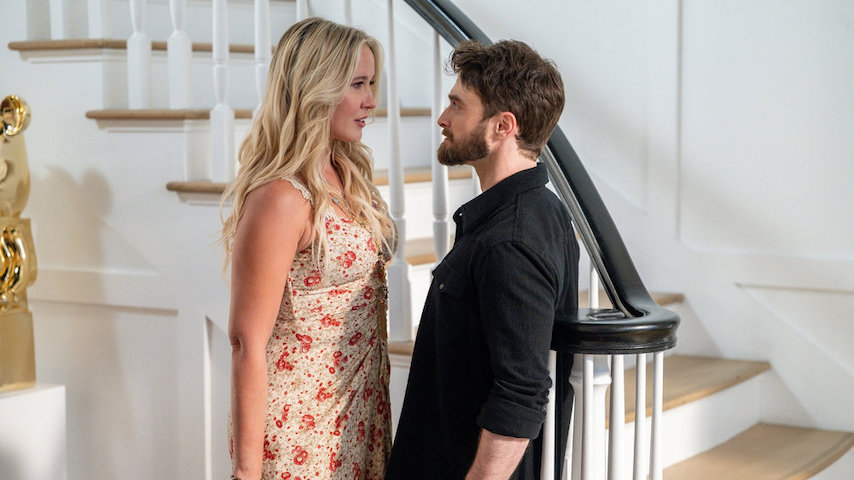
A perfect score on Rotten Tomatoes is supposed to be a promise — critics have agreed, unanimously, that something is worth your time. So when NBC’s The Fall and Rise of Reggie Dinkins earned that rare distinction, viewers showed up expecting something special. What some of them found, however, has been a more complicated experience than that flawless score might suggest.
The 10-part sitcom starring Tracy Morgan has become one of the more interesting television conversations of early 2026 — not because it’s a disaster, but because the gap between critical praise and audience reaction is wide enough to raise real questions about what those scores actually mean.
It’s the kind of story that plays out more often than people realize in the streaming era, where a show can be both genuinely acclaimed and genuinely disappointing to the audience it was made for — sometimes at the same time.
What Is The Fall and Rise of Reggie Dinkins?
The Fall and Rise of Reggie Dinkins is a 10-episode sitcom airing on NBC. The show stars Tracy Morgan, the comedian and actor best known for his years on Saturday Night Live and his beloved role as Tracy Jordan on 30 Rock. The title alone sets up a particular kind of story — a fall, a rise, a character arc built around redemption or reinvention.
Critics have embraced it. The show holds a perfect score on Rotten Tomatoes, which places it in rare company. A 100% rating on that platform means every review counted in the tally came back positive — no mixed takes, no disappointed critics, no reservations on the record.
That kind of unanimity is genuinely unusual. Most well-regarded shows carry a few dissenting voices. A perfect score suggests something that landed cleanly, at least in the eyes of professional reviewers.
Why Fans Are Feeling Let Down
The disconnect between critical reception and audience reaction is where this story gets more interesting. Despite the perfect Rotten Tomatoes score from critics, fans have been expressing disappointment with the series — a split that reflects a familiar tension in television between what critics reward and what audiences actually enjoy.
This kind of gap isn’t unique to Reggie Dinkins, but it’s particularly noticeable here given how stark the critical consensus is. When a show carries a 100% score, viewers naturally arrive with elevated expectations. If the show doesn’t match that promise — whether in tone, humor style, pacing, or story — the letdown can feel sharper than it might with a more modestly reviewed series.
Tracy Morgan has a specific comedic identity, one that his most devoted fans have strong feelings about. Whether the show’s creative choices align with what those fans were hoping to see is clearly a point of friction.
The Rotten Tomatoes Score Problem
The situation with The Fall and Rise of Reggie Dinkins puts a spotlight on something worth understanding about how Rotten Tomatoes actually works.
- The Tomatometer (the critic score) measures the percentage of reviews that are positive — it does not measure how positive they are.
- A 100% score means all counted reviews were at least somewhat favorable, not that every critic considered it a masterpiece.
- The Audience Score is a separate metric, reflecting viewer ratings — and the two numbers frequently diverge.
- Shows with small numbers of critic reviews can achieve perfect scores more easily than widely-reviewed blockbusters.
- Critical taste and general audience taste are genuinely different things, shaped by different priorities and expectations.
None of this makes the critical praise for the show less real. But it does explain why a perfect score can coexist with a fanbase that feels let down.
| Metric | Detail |
|---|---|
| Show Title | The Fall and Rise of Reggie Dinkins |
| Network | NBC |
| Star | Tracy Morgan |
| Number of Episodes | 10 |
| Rotten Tomatoes Critic Score | 100% (Perfect) |
| Audience Reception | Reportedly disappointing fans |
What This Means for Tracy Morgan and NBC
For Tracy Morgan, the show represents a significant television moment. He remains one of the most recognizable comedic voices of his generation, and a 10-episode sitcom on a major broadcast network is a real platform. Critical approval is not nothing — it matters for awards consideration, for the show’s long-term reputation, and for how industry insiders perceive the project.
But audience engagement is what keeps a show alive. NBC will be watching viewership numbers and audience response carefully. A show that critics love but audiences feel disconnected from faces an uncertain road, regardless of what the Tomatometer says.
The broader question the show raises is one the television industry hasn’t fully resolved: in an era of fragmented audiences and algorithmic recommendations, whose opinion actually drives a show’s success?
What to Watch For Going Forward
With 10 episodes in the season, viewers who started the show have enough runway to see whether their initial disappointment shifts as the story develops. Sitcoms sometimes take time to find their rhythm, and early audience reactions don’t always predict how a series lands by its finale.
Whether NBC moves forward with additional seasons will likely depend on how the full run performs — both in raw viewership and in the audience scores that tell a more complete story than the critic consensus alone. For now, The Fall and Rise of Reggie Dinkins sits in an unusual position: critically celebrated and audience-questioned, all at once.
Frequently Asked Questions
What is The Fall and Rise of Reggie Dinkins?
It is a 10-episode sitcom airing on NBC, starring comedian and actor Tracy Morgan.
What is the show’s Rotten Tomatoes score?
The show holds a perfect 100% score on Rotten Tomatoes from critics.
Why are fans disappointed if critics love it?
Audience reactions and critical reception frequently diverge — critics and general viewers often prioritize different things when evaluating a show.
How many episodes does the season have?
The season consists of 10 episodes.
Has NBC announced a second season?
This has not yet been confirmed based on available information.
Does a 100% Rotten Tomatoes score mean every critic called it a masterpiece?
No — it means every counted review was at least somewhat positive, not that all critics considered it exceptional or perfect in every way.



Leave a Reply