
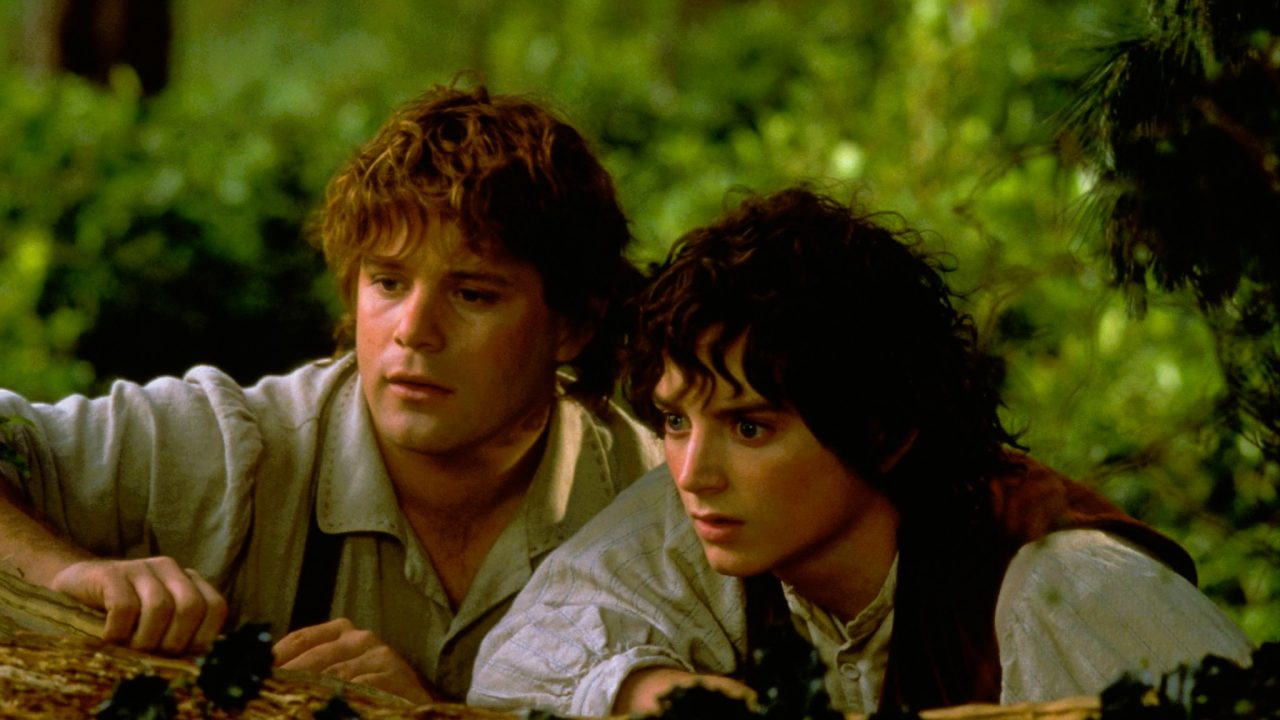
Peter Jackson’s Lord of the Rings trilogy is widely considered one of the greatest achievements in cinema history — but that doesn’t mean sitting down to watch all three films in 2026 is a straightforward experience. More than two decades after The Fellowship of the Ring first hit theaters, some aspects of the trilogy have aged better than others, and honest fans are starting to admit it.
That’s not a knock on the films. It’s just the reality of revisiting any major cultural artifact after 20-plus years. The world has changed, filmmaking has changed, and so have audiences. What felt groundbreaking in 2001 can sometimes feel like a different era entirely — because it was.
So what exactly makes the Lord of the Rings trilogy harder to watch today than it used to be? There are a few genuinely compelling reasons worth talking about.
The Lord of the Rings Trilogy: Still Beloved, But Not Without Its Friction
First, the obvious: these films remain extraordinary. The practical effects, the performances, Howard Shore’s iconic score, the sheer ambition of adapting Tolkien’s dense mythology for a mainstream audience — none of that has disappeared. But admiration and ease of viewing are two different things.
Running times alone present a real barrier. The Fellowship of the Ring, The Two Towers, and The Return of the King clock in at roughly three to four hours each in their extended editions. That’s a genuine commitment in an era when most people are watching content on phones, in fragments, between other things. Sitting still for eleven-plus hours of extended runtime across three films asks something of modern viewers that streaming culture has quietly trained people out of doing.
And that’s before you get into the content itself.
What Makes These Films Genuinely Difficult to Revisit
Several factors combine to create friction when returning to Middle-earth today. Some are about craft and pacing. Others are about representation and cultural perspective. A few are simply the unavoidable weight of nostalgia colliding with reality.
- The pacing feels different now. Jackson’s films were built for a theatrical, event-movie experience. Long establishing shots, extended battle sequences, and deliberate scene-building were part of the spectacle. Viewed at home on a Tuesday night, that same pacing can feel slow in ways it never did in a packed cinema.
- The lack of female characters is hard to ignore. Arwen, Éowyn, and Galadriel are all present, but the trilogy is overwhelmingly male-dominated. Modern viewers — especially those who have come to expect more balanced representation — may find this jarring in ways that weren’t widely discussed when the films were released.
- The portrayal of certain races and peoples. The visual coding of villainous armies, the depiction of Orcs, and some of the broader aesthetic choices in how “evil” is represented have drawn increasing scrutiny in recent years. These conversations were largely absent in 2001 but are impossible to avoid now.
- CGI that hasn’t aged uniformly. The practical effects remain stunning. But some of the early digital work — particularly certain creature effects and large-scale battle sequences — shows its age in ways the original theatrical audiences couldn’t have anticipated.
- Emotional manipulation through extended endings. The Return of the King famously features multiple endings that run for an extended period. What felt emotionally satisfying on first viewing can feel exhausting on a rewatch, particularly for viewers less invested in the emotional farewell.
- The Hobbit trilogy casts a shadow. For many fans, Jackson’s subsequent Hobbit films changed the way they see his earlier work — not always for the better. Knowing what came after can make it harder to watch the original trilogy with entirely fresh eyes.
- The absence of meaningful diversity. Middle-earth, as depicted in these films, is a largely homogeneous world. This is rooted in Tolkien’s source material, but the films made specific choices that amplify this quality, and those choices feel more visible now than they did at the time.
A Quick Look at the Films and Their Scale
| Film | Release Year | Theatrical Runtime | Extended Edition Runtime |
|---|---|---|---|
| The Fellowship of the Ring | 2001 | ~178 minutes | ~228 minutes |
| The Two Towers | 2002 | ~179 minutes | ~235 minutes |
| The Return of the King | 2003 | ~201 minutes | ~251 minutes |
Those numbers matter. Watching the extended editions back to back is roughly the equivalent of a full working day. That’s a very different ask than it was in 2003, when binge culture didn’t exist and a long film felt like an event rather than a time cost.
Why None of This Cancels the Achievement
Acknowledging these friction points isn’t the same as dismissing the trilogy. These films changed what blockbuster filmmaking could be. They proved that fantasy could be taken seriously, that audiences would commit to complex world-building, and that practical and digital effects could be combined to create something genuinely transportive.
But the conversation around them has matured — and that’s a sign of cultural engagement, not rejection. Fans who grew up with these films are now adults who think critically about what they watch. Younger viewers encountering the trilogy for the first time bring different expectations and different questions.
The result is a more complicated relationship with three films that were once treated as beyond criticism. That complication is worth sitting with, rather than dismissing.
What Watching the Trilogy Looks Like for New Audiences
For anyone coming to the Lord of the Rings trilogy fresh in 2026, the experience is genuinely different from what audiences had in theaters between 2001 and 2003. There’s no shared cultural anticipation, no midnight premiere energy, no sense of watching something unfold in real time alongside millions of other people.
What remains is the craft — and there’s still plenty of it. But new viewers are also arriving with the full weight of two decades of cultural criticism, the existence of Amazon’s The Rings of Power series as a point of comparison, and viewing habits shaped entirely by streaming. That’s a very different entry point.
The trilogy will endure. But the way we watch it, and what we notice when we do, has changed — and that’s worth being honest about.
Frequently Asked Questions
Is the Lord of the Rings trilogy still worth watching today?
Yes — the films remain a landmark achievement in filmmaking, though some elements have aged more gracefully than others and certain aspects draw more scrutiny now than they did at release.
How long does it take to watch all three Lord of the Rings films?
The theatrical cuts run approximately 558 minutes combined, while the extended editions total over 700 minutes — more than eleven hours of viewing time.
Why do some viewers find the Lord of the Rings harder to watch now?
Factors include the films’ slow pacing relative to modern streaming habits, limited female and diverse representation, uneven CGI aging, and the shadow cast by the subsequent Hobbit trilogy.
Has criticism of the Lord of the Rings trilogy grown over time?
Yes — conversations around representation, racial coding, and gender balance have become more prominent as cultural standards and audience expectations have evolved since the early 2000s.
Does The Return of the King really have multiple endings?
The film’s final act is widely noted for featuring an extended series of closing scenes that some viewers find emotionally satisfying and others find exhausting on rewatch.
Does the Hobbit trilogy affect how people view the original Lord of the Rings films?
For many fans, yes — Jackson’s later Hobbit adaptations changed perceptions of his work in ways that can color a rewatch of the original trilogy, though the two series are generally regarded very differently in terms of quality.

Leave a Reply