
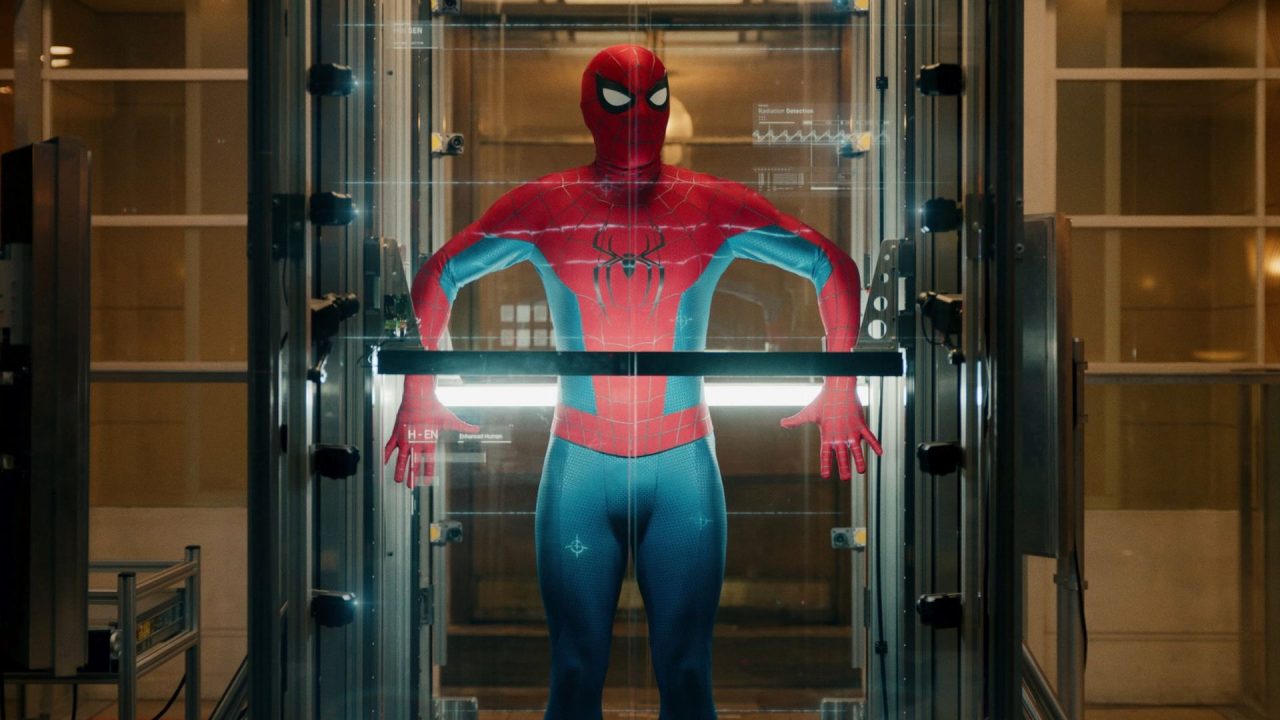
The trailer for Spider-Man: Brand New Day has sent Marvel fans into a frenzy — and for good reason. Frame by frame, eagle-eyed comic readers have been spotting moments that appear to be lifted almost directly from the pages of classic Spider-Man storylines. This isn’t a coincidence. It looks like the filmmakers did their homework.
The “Brand New Day” era of Marvel Comics — which launched in 2008 following the controversial “One More Day” storyline — fundamentally reshaped Peter Parker’s world. It wiped his marriage to Mary Jane from existence, reset his supporting cast, and introduced a wave of new villains and allies. If the trailer is any indication, the film is drawing heavily from that period and the broader Spider-Man comic mythology surrounding it.
Here’s a breakdown of what the trailer appears to be pulling straight from
What “Brand New Day” Actually Means for Spider-Man
For readers who weren’t following Marvel Comics in the late 2000s, the “Brand New Day” label carries serious weight. After Peter Parker made a deal with the demon Mephisto to save Aunt May’s life — sacrificing his marriage to Mary Jane in the process — the Spider-Man comics essentially relaunched with a freshened-up status quo.
Peter was suddenly single, living with his aunt again, working as a freelance photographer, and surrounded by a cast of characters that felt both familiar and new. The stories that followed introduced figures like Jackpot, Mister Negative, and a revamped Menace, while bringing back classic villains in updated forms.
The film appears to be borrowing from this era heavily — both in terms of visual design and story beats — while also reaching back into earlier and later comic runs for specific moments captured in the trailer.
Trailer Scenes That Comic Readers Immediately Recognized
Based on The filmmakers seem to have used specific issues and arcs as visual reference points, composing shots that mirror the original artwork in striking ways.
This kind of panel-to-screen fidelity has become a hallmark of Marvel Studios productions, but the level of specificity on display here suggests a deeper engagement with the source comics than casual fans might expect.
- Spider-Man’s costume design elements echo specific suits from the Brand New Day run
- Certain action sequences appear to mirror choreography and framing from classic Steve McNiven and John Romita Jr. artwork
- Villain appearances in the trailer show visual design choices clearly rooted in their comic counterparts from this era
- Emotional beats between Peter Parker and supporting characters reflect specific relationship dynamics from the 2008–2010 comic period
- Environmental and New York City staging in several shots closely resembles background artwork from key issues
The Comics That Appear to Have Influenced the Film Most
The Brand New Day era wasn’t a single storyline — it was a publishing initiative that ran across multiple volumes and creative teams. Different writers and artists contributed arcs that each had their own distinct tone and visual identity. The trailer appears to draw from several of these simultaneously.
| Comic Era / Arc | Key Creative Elements | Apparent Film Connection |
|---|---|---|
| Brand New Day (2008) | Relaunched status quo, new villains, solo Peter Parker | Core premise and character reset |
| One More Day (2007) | Mephisto deal, loss of marriage, timeline shift | Possible backstory or inciting event |
| Classic Amazing Spider-Man runs | Iconic suit designs, New York City staging | Visual and costume design references |
| Later Amazing Spider-Man volumes | Updated villain designs, expanded supporting cast | Character design and villain appearances |
Why This Level of Comic Accuracy Is a Big Deal for Fans
Marvel Studios has always nodded to When a filmmaker composes a shot to mirror a specific panel — matching the angle, the lighting, the body language — it signals something meaningful to longtime readers.
It tells them the people making the film actually read the comics. Not just summaries. Not just Wikipedia entries. The actual issues.
For Spider-Man fans in particular, this matters enormously. The character has one of the longest and most complicated publication histories in comics. There are decades of stories to draw from, and the choices a filmmaker makes about which panels to reference reveal a lot about what themes and emotional truths they’re trying to capture.
The Brand New Day era is a fascinating choice precisely because it was so divisive when it was published. Many fans hated the Mephisto deal and what it meant for Peter and Mary Jane. Others appreciated the fresh energy the new status quo brought. Adapting it for film reopens all of those debates in the best possible way.
What Happens Next — and What the Trailer Leaves Unanswered
The trailer has done its job well: it’s generated enormous conversation without giving everything away. Comic fans are parsing every frame, cross-referencing panels, and debating which storylines will make the final cut.
What remains unclear is how faithfully the film will follow through on the promises the trailer appears to make. Trailers are carefully curated to generate excitement, and the final film may diverge significantly from what the footage implies. That said, the density of apparent comic references suggests the production team has a genuine affection for this material — and that’s a promising sign.
Spider-Man: Brand New Day is shaping up to be one of the most comics-literate Spider-Man films yet. Whether it sticks the landing is a question only the full film can answer.
Frequently Asked Questions
What is Spider-Man: Brand New Day?
It is an upcoming Spider-Man film whose title references the 2008 Marvel Comics publishing initiative that relaunched Spider-Man’s status quo following the “One More Day” storyline.
What happened in the Brand New Day comic era?
Following a deal with the demon Mephisto that erased Peter Parker’s marriage to Mary Jane, Marvel relaunched the Spider-Man comics with Peter as a single man, introducing new villains and supporting characters starting in 2008.
Are the trailer scenes confirmed to be direct comic adaptations?
Based on reporting about the trailer’s content, numerous scenes appear to closely mirror specific comic panels and storylines, though official confirmation of each specific reference has not been provided by the studio.
Which comics should I read before seeing the film?
The Brand New Day era of Amazing Spider-Man beginning in 2008 appears to be the most directly relevant, though the film also seems to draw from earlier classic runs and later volumes.
Was the Brand New Day era popular with comic fans?
It was divisive — many fans objected strongly to the Mephisto deal that preceded it, while others appreciated the fresh energy and new characters the era introduced.
When does Spider-Man: Brand New Day release?
A confirmed release date has not been included in the available source material at this time.

Leave a Reply