
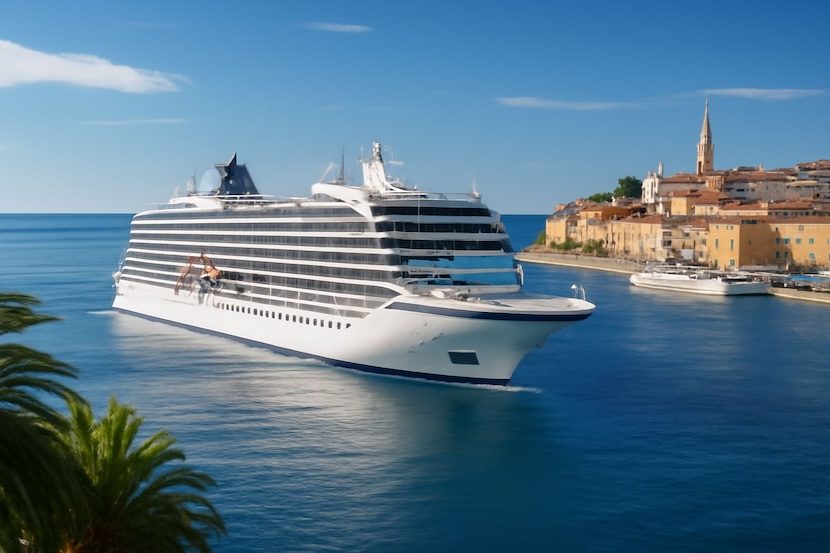
A small coastal town in southern Mexico is quietly becoming one of the most closely watched destinations in Caribbean cruise tourism — not just for its turquoise waters, but for what’s happening on land. Mahahual, located along the coast of Quintana Roo, is now home to a first-of-its-kind solid waste management facility designed specifically to handle the volume of waste generated by cruise ship tourism.
The initiative, developed in partnership with Royal Caribbean, represents a significant shift in how cruise destinations approach environmental responsibility. Rather than treating waste as an afterthought, the project builds sustainability directly into the infrastructure of the port itself.
For travelers planning a Caribbean cruise, this matters more than it might seem. The facility signals that Mahahual is positioning itself not just as a beautiful stopover, but as a model for what responsible cruise tourism can actually look like in practice.
What the Royal Caribbean Sustainable Mahahual Initiative Actually Does
At the center of this effort is a new waste management facility that uses advanced technologies to sort, process, and recycle solid waste generated by cruise ship arrivals. The goal is straightforward: reduce the amount of garbage that ends up in landfills or, worse, in the surrounding ocean and coastal ecosystems.
Mahahual is a popular cruise port, and with that popularity comes a significant volume of waste. Historically, destinations like this have struggled to manage the environmental footprint that comes with high passenger traffic. This facility is designed to close that gap.
Supporters of the initiative argue that it demonstrates what’s possible when a major cruise operator commits to more than just marketing sustainability. By investing in actual infrastructure, Royal Caribbean is helping create conditions where tourism and environmental protection can coexist rather than compete.
Key Details: What the Facility Offers
Here’s what is confirmed about the Mahahual waste management initiative:
- The facility is described as a first-of-its-kind solid waste management installation specifically designed for cruise-generated waste
- It uses advanced sorting, processing, and recycling technologies to minimize landfill impact
- The project is a collaboration involving Royal Caribbean, local communities, and regional stakeholders in Quintana Roo
- The initiative is intended to protect the natural beauty of the Caribbean coastline while supporting local residents
- Mahahual is being positioned as a global model for eco-friendly cruise tourism
| Aspect | Details |
|---|---|
| Location | Mahahual, Quintana Roo, Mexico |
| Facility Type | Solid waste management and recycling center |
| Primary Purpose | Process and recycle cruise-generated solid waste |
| Technology Approach | Advanced sorting, processing, and recycling systems |
| Key Partner | Royal Caribbean |
| Scope | First-of-its-kind facility for cruise port waste |
Why Mahahual and Why Now
Quintana Roo has long been one of Mexico’s most visited regions, drawing millions of tourists each year to its Caribbean coastline. Mahahual sits somewhat apart from the mega-resort corridors of Cancún and the Riviera Maya, which has helped it retain a more natural, less commercialized character.
That character is exactly what’s at stake. As cruise traffic through the port has grown, so has the pressure on local ecosystems. Beaches that attract visitors precisely because of their cleanliness and natural beauty are vulnerable to the cumulative effects of mass tourism if waste isn’t managed properly.
The timing reflects a broader industry shift. Cruise lines are under increasing pressure from travelers, regulators, and environmental advocates to demonstrate that their operations don’t come at a long-term cost to the destinations they profit from. A concrete infrastructure investment like this is harder to dismiss than a pledge or a policy statement.
What This Means for Travelers and Local Communities
For tourists, the practical implication is relatively simple: visiting Mahahual now means participating in a tourism model that is actively working to reduce its environmental footprint. The beaches stay cleaner. The coral reefs face less pressure from improperly managed waste. The destination you came to see has a better chance of looking the same on your next visit.
For local residents, the stakes are even higher. Communities along the Quintana Roo coast depend heavily on tourism income, but they also live with the environmental consequences of that tourism year-round. A well-managed waste facility reduces the burden on local infrastructure and helps ensure that the natural assets underpinning the local economy aren’t gradually degraded.
Advocates for sustainable tourism argue that this kind of public-private collaboration — where a major cruise operator invests in destination infrastructure rather than simply extracting value from it — should become the standard, not the exception.
- Waste from cruise arrivals typically directed to regional landfills with limited sorting or recycling.
- Local communities bear the environmental cost of increased tourism with little structural support.
- Natural coastal ecosystems face cumulative pressure from poorly managed solid waste.
- Advanced facility sorts, processes, and recycles cruise-generated solid waste before it reaches landfills.
- Royal Caribbean partners with local residents and regional stakeholders to share responsibility for outcomes.
- Mahahual positions itself as a global model where tourism and environmental protection coexist.
What Comes Next for Mahahual’s Eco-Tourism Ambitions
The launch of this facility is described as a significant step, but those involved appear to see it as a beginning rather than a final destination. Mahahual is being framed as an emerging model — a place that other cruise ports could look to as proof that sustainable infrastructure is achievable at scale.
Whether that vision takes hold will depend on how effectively the facility performs over time, and whether the collaboration between Royal Caribbean, local government, and community stakeholders holds together. The infrastructure is in place. The harder work — maintaining standards, expanding the model, and keeping all parties aligned — lies ahead.
For now, Mahahual has something few Caribbean cruise ports can claim: a concrete, operational answer to the question of what sustainable cruise tourism actually looks like beyond the brochure.
Frequently Asked Questions
What is the Royal Caribbean Sustainable Mahahual Initiative?
It is a project centered on a new solid waste management facility in Mahahual, Quintana Roo, designed to sort, process, and recycle waste generated by cruise ship arrivals.
Where exactly is Mahahual located?
Mahahual is a coastal town in Quintana Roo, Mexico, situated along the Caribbean coast.
What makes this facility unique?
It is described as a first-of-its-kind facility specifically designed to handle cruise-generated solid waste, using advanced sorting and recycling technologies.
How does this initiative benefit local communities?
The project is intended to protect the natural environment that local residents depend on, while supporting the communities that live and work along the Quintana Roo coastline.
Is Mahahual the only cruise port adopting this approach?
Based on available information, this facility is described as a first of its kind, suggesting no comparable cruise port waste management model currently exists elsewhere.
Will this change the experience for cruise passengers visiting Mahahual?
Travelers can visit knowing their trip contributes to environmental preservation, with cleaner beaches and better-protected coastal ecosystems as a direct result of the initiative.

Leave a Reply