
What would you do if the pilot’s voice came over the intercom and announced an unscheduled landing? Would you feel controlled fear, or something closer to blind panic?
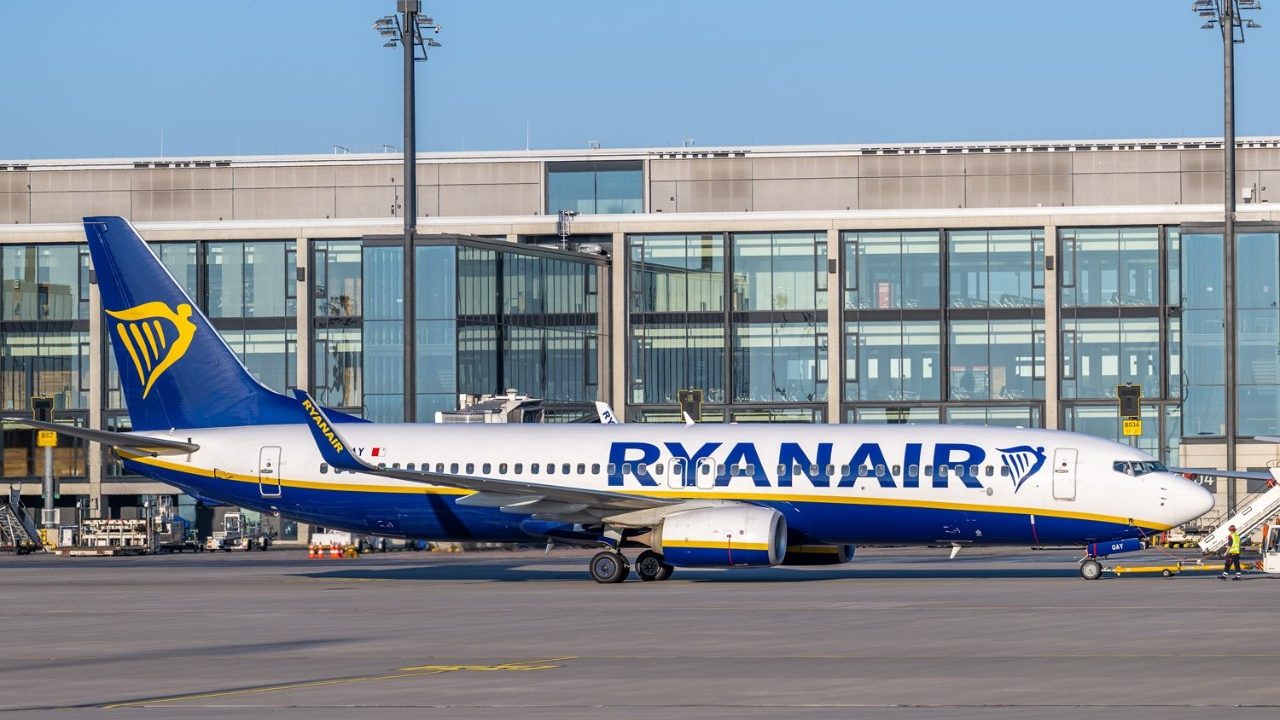
Passengers aboard Ryanair Flight FR315 recently faced that exact moment. The Boeing 737-800, operated by Malta Air on behalf of Ryanair, was traveling from Bucharest Henri Coandă International Airport to Berlin Brandenburg Airport when something onboard triggered a full emergency response. Ground crews mobilized. Emergency vehicles rolled into position on the tarmac. And for anyone tracking the flight in real time, one question dominated: how serious was this?
The answer reveals something important, not just about this specific flight, but about how poorly most of us understand the system protecting us when we fly.
The Common Belief: Emergency Landings Signal Catastrophe
Most travelers carry a deep, largely unexamined assumption about emergency landings. They believe these events are rare, extreme, and a near-certain sign that a flight is in genuine danger.
That belief gets reinforced constantly. News alerts use urgent language. Social media posts circulate blurry runway photos. The term ’emergency landing’ gets applied to everything from a minor technical anomaly to a life-threatening structural failure, all under identical alarming headlines.
Flight FR315 feeds directly into that assumption. Scheduled to depart Bucharest at 5:20 PM local time (UTC+3) and land in Berlin at approximately 6:06 PM local Berlin time (UTC+2), per scheduling data tracked by Trip.com, the route is under two hours. The aircraft is one of the most flown types in the world. Yet an emergency was declared, and Berlin Brandenburg Airport activated a large response. That sounds like disaster.
| Flight Detail | Confirmed Information |
|---|---|
| Flight Number | FR315 (RYR315) |
| Route | Bucharest OTP to Berlin Brandenburg BER |
| Aircraft | Boeing 737-800 |
| Operator | Malta Air on behalf of Ryanair |
| Scheduled Departure | 5:20 PM Bucharest local time (UTC+3) |
| Scheduled Arrival | 6:06 PM Berlin local time (UTC+2) |
| Actual Delay | Approximately 25 minutes |
| Emergency Response | Large response activated at Berlin Brandenburg |
The Crack: What the Tracking Data Actually Shows
According to data from FlightStats, FR315 arrived at its destination. The flight was delayed by roughly 25 minutes. That detail is easy to skim past, but it matters enormously.
A 25-minute delay on a sub-two-hour flight is not the footprint of catastrophic mechanical failure. It is the footprint of a managed situation. The aircraft reached Berlin Brandenburg Airport. It landed on the intended runway. Passengers and crew were on the ground at their planned destination.
Flight path data available through FlightRadar24 and historical records on FlightAware confirm FR315 as a regularly scheduled, frequently operated service. This is not a route with a troubled history. It is a standard short-haul European leg on a proven airframe.
Why Our Assumptions About Emergency Landings Are Wrong
Aviation authorities classify airborne emergencies in layers. A MAYDAY call signals immediate, serious danger to life. A PAN-PAN call signals urgency without immediate life threat. Both trigger identical ground responses: emergency vehicles, standby medical teams, foam trucks in position.
From the airport window, or from a flight tracking app, these two situations look exactly the same. The public cannot distinguish between them in real time. Neither can most journalists filing initial reports.
Precautionary landings, where a crew detects something irregular, follows protocol, and lands with full emergency services standing by, occur across the global aviation network with regularity. Pilots train extensively to declare emergencies early. The system rewards caution above all else. A captain who calls ahead and touches down with fire trucks on the runway is executing the training perfectly.
‘The safest thing a pilot can do is never assume. If there is doubt, there is no doubt — you declare the emergency and let the ground crews prepare.’
— Core principle in commercial pilot emergency training programs
The Boeing 737-800 operating FR315 is among the most thoroughly tested commercial aircraft in history. Ryanair operates one of the largest 737-800 fleets in the world and has accumulated an enormous volume of flight hours across its European network. Malta Air, the subsidiary operating this specific flight, holds its own Air Operator Certificate under European Union Aviation Safety Agency standards.
What the FR315 Incident Actually Reveals
The specific technical cause behind the FR315 emergency declaration has not been publicly confirmed at the time of this report. Investigations of this nature take days, sometimes weeks, before any official findings are released. What the available data does confirm is straightforward: the aircraft landed at Berlin Brandenburg Airport, delayed by approximately 25 minutes, with emergency services standing by.
This pattern plays out in commercial aviation more frequently than most travelers ever realize. A crew detects an anomaly. An emergency is declared. Ground crews deploy. The aircraft lands safely. Most of these events never reach public consciousness, because they end before anyone is hurt.
What Every Traveler Should Take Away From This
If you have a flight booked on a Boeing 737-800 across any European route, the FR315 incident does not alter the statistical reality of your journey. The aircraft type has accumulated billions of flight hours. Its track record is one of the most reviewed in commercial aviation history.
What this incident does expose is a consistent transparency gap in how airlines communicate during active situations. Passengers aboard FR315 likely received limited real-time information about what was happening and why. Ryanair, like most carriers, communicates cautiously during active incidents. This is partly procedural. But it amplifies passenger anxiety in ways that clearer, timely communication could reduce.
Flight trackers including FlightRadar24 and FlightAware now give the public near-real-time visibility into squawk codes, altitude changes, and route deviations. For families tracking a loved one’s flight, this access is powerful. But it also means that precautionary emergency squawk codes, which do not signal imminent catastrophe, get screenshot and shared before any context is available.
The result is a feedback loop where caution looks like crisis, and protocol looks like panic.
The FR315 investigation is ongoing. What emerges from Berlin Brandenburg’s technical review will tell a more complete story than any real-time tracker or initial report can provide. What the data already confirms is the one fact that matters most: the plane landed, the system worked, and the machinery of aviation safety performed exactly as designed.
The harder question is why we remain so poorly equipped, psychologically, to believe it when it does.
Frequently Asked Questions

You Might Also Like

Luxury Hotel Boom: Colombia, Saudi Arabia, Cape Verde & Vietnam Lead
Colombia, Saudi Arabia, Cape Verde, and Vietnam are driving a global luxury hotel boom with…

Sofitel Just Opened Its First Branded Residences in Argentina
Luxury hotel brand Sofitel is making its first move into residential real estate in the…

Northern Territory’s Aboriginal Affairs Framework Is Quietly Reshaping Tourism
Aboriginal cultural tourism in Australia’s Northern Territory already contributes hundreds of millions of dollars to…
Leave a Reply