
Time travel is one of science fiction’s oldest and most irresistible obsessions — and for good reason. The premise alone forces writers to grapple with questions that feel genuinely urgent: Can the past be changed? What do we owe the future? And what happens to a person who exists outside of time itself? The best sci-fi books about time travel don’t just use the concept as a plot device. They build entire emotional worlds around it.
The topic covered by Collider points toward a curated selection of time travel novels earning near-universal praise — the kind of books readers describe as flawless. Since These are books that critics and readers consistently rank among the genre’s finest.
Whether you’re a lifelong sci-fi reader or someone who’s never cracked open a speculative fiction novel, this list is a genuinely good place to start.
Why Time Travel Sci-Fi Hits Differently Than Other Genre Fiction
Most genre fiction asks “what if?” Time travel fiction asks “what if — and what then, and then, and then?” The ripple-effect logic baked into the premise means that even small narrative choices carry enormous weight. A character stepping on the wrong blade of grass in 1963 can unravel everything.
That structural pressure is what separates forgettable time travel stories from genuinely great ones. The best authors use the mechanics of temporal displacement to explore grief, regret, identity, and the uncomfortable truth that most of us would change something about our past if we could. That emotional core is what makes these books last.
It’s also worth noting that time travel fiction spans a surprisingly wide range of tones — from hard science fiction with rigorous internal logic to quiet, literary novels where the time travel is almost secondary to the human story at the center.
The Most Celebrated Time Travel Novels Worth Your Time
The following books represent the gold standard of the subgenre — titles that appear repeatedly on best-of lists, hold strong critical reputations, and continue to find new readers decades after publication in several cases.
- The Time Machine by H.G. Wells (1895) — The book that essentially invented the modern concept of mechanical time travel. Wells introduced the idea of a device built specifically to move through time, a concept so influential it still shapes how writers approach the subject 130 years later.
- Slaughterhouse-Five by Kurt Vonnegut (1969) — Billy Pilgrim becomes “unstuck in time” in one of American literature’s most enduring antiwar novels. Vonnegut’s approach to temporal dislocation is chaotic, darkly funny, and devastating in equal measure.
- The First Fifteen Lives of Harry August by Claire North (2014) — Harry August lives his life over and over again, retaining all memories from each cycle. North uses the premise to build a thriller with genuine philosophical depth about what a life actually means.
- Kindred by Octavia E. Butler (1979) — Dana, a Black woman living in 1970s California, is repeatedly pulled back in time to the antebellum South. Butler’s novel is one of the most powerful uses of time travel in all of fiction — not as adventure, but as confrontation with history.
- The Time Traveler’s Wife by Audrey Niffenegger (2003) — Henry DeTamble involuntarily travels through time, and the novel follows the impact on his marriage to Clare. It’s less concerned with paradoxes than with what it costs the people left behind.
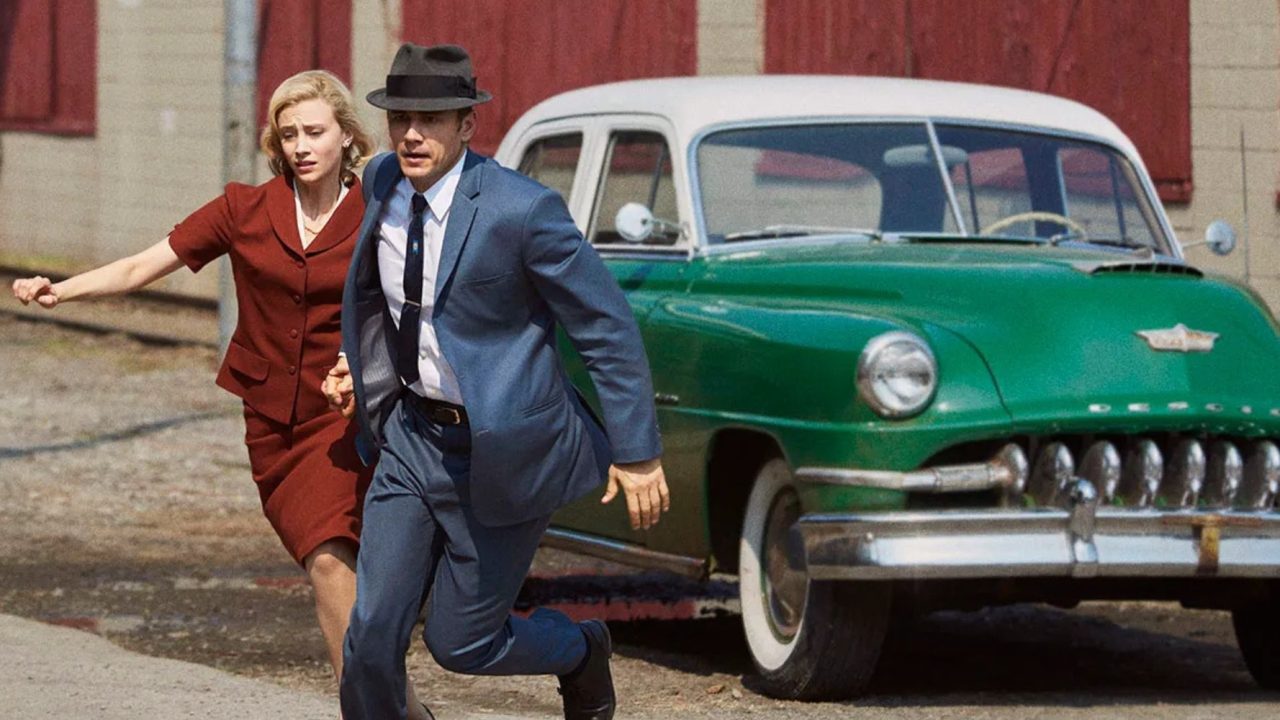
- 11/22/63 by Stephen King (2011) — King’s massive, meticulous novel follows a man who discovers a portal to 1958 and attempts to prevent the assassination of President John F. Kennedy. At over 800 pages, it earns every one of them.
- This Is How You Lose the Time War by Amal El-Mohtar and Max Gladstone (2019) — Two agents from opposing futures exchange letters across time in a novella that won both the Hugo and Nebula Awards. Lyrical, strange, and completely unlike anything else in the genre.
A Quick Look at the Range These Books Cover
| Title | Author | Year Published | Tone |
|---|---|---|---|
| The Time Machine | H.G. Wells | 1895 | Scientific / Allegorical |
| Slaughterhouse-Five | Kurt Vonnegut | 1969 | Dark Comedy / Antiwar |
| Kindred | Octavia E. Butler | 1979 | Historical / Harrowing |
| The Time Traveler’s Wife | Audrey Niffenegger | 2003 | Romantic / Emotional |
| 11/22/63 | Stephen King | 2011 | Thriller / Historical |
| The First Fifteen Lives of Harry August | Claire North | 2014 | Philosophical / Thriller |
| This Is How You Lose the Time War | El-Mohtar & Gladstone | 2019 | Lyrical / Literary |
What Makes These Books Stand Out From the Rest of the Genre
The titles above share something beyond their subject matter. Each one uses time travel to illuminate something true about being human — loss, consequence, love, guilt, history. The mechanics of the time travel are almost never the point. They’re a lens.
Octavia Butler’s Kindred is perhaps the sharpest example of this. The novel has no interest in the science of how Dana moves through time. What it cares about is what she sees when she gets there, and what it does to her to witness it firsthand. That emotional and moral urgency is what has kept the book in print and in curricula for over four decades.
This Is How You Lose the Time War represents the newer end of the spectrum — proof that the subgenre is still producing genuinely original work. Its dual-author structure and epistolary format produce something that reads more like poetry than plot, and its award wins confirm that innovation in time travel fiction is far from exhausted.
Where to Start If You’re New to Time Travel Sci-Fi
If you’ve never read in this space before, The Time Traveler’s Wife is probably the most accessible entry point — emotionally grounded, easy to follow, and genuinely moving. From there, 11/22/63 offers a longer, richer experience with strong historical detail and a propulsive plot.
For readers who want something more challenging, Kindred is essential — not comfortable, but necessary. And for those who want to see what the genre looks like at its most inventive right now, This Is How You Lose the Time War is unlike anything else you’ll read this year.
Frequently Asked Questions
What is considered the first time travel novel?
H.G. Wells’ The Time Machine, published in 1895, is widely credited as the foundational text of modern time travel fiction and introduced the concept of a mechanical device used specifically to move through time.
Which time travel book has won major science fiction awards?
This Is How You Lose the Time War by Amal El-Mohtar and Max Gladstone won both the Hugo Award and the Nebula Award, two of the most prestigious honors in science fiction.
Is Kindred by Octavia Butler considered science fiction?
Yes, though Butler herself sometimes described it as a “grim fantasy.” It is widely taught and shelved as science fiction and is considered one of the most important works in the genre.
How long is Stephen King’s 11/22/63?
The novel runs over 800 pages, making it one of King’s longer standalone works, though readers and critics consistently describe it as a compelling, fast-moving read despite its length.
Are any of these time travel books part of a series?
Most of the titles listed are standalone novels or novellas. The First Fifteen Lives of Harry August and This Is How You Lose the Time War are both self-contained stories.
Which of these books is best for someone who doesn’t usually read sci-fi?
The Time Traveler’s Wife is generally considered the most accessible starting point, as its focus is primarily on the emotional and romantic relationship at its center rather than on science fiction mechanics.



Leave a Reply