
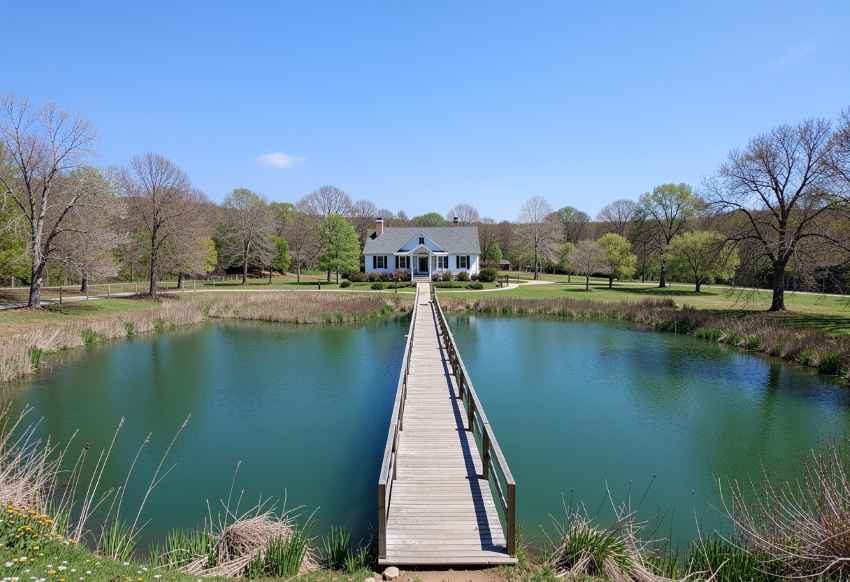
Tucked away in eastern Nepal’s Sunsari district, a stretch of wetland that most travelers have never heard of is quietly becoming one of the region’s most compelling ecotourism destinations — and it took more than a decade of community-driven effort to get there.
Shankarbeli Wetland, located in Ramdhuni Municipality-6, has been transformed over the past thirteen years from an ordinary plot of land into a thriving recreational and conservation area. What makes this place worth paying attention to is not just its natural beauty, but the story behind how it got here — and what it represents for grassroots environmental stewardship in Nepal.
For nature lovers, birdwatchers, and families looking for a peaceful day out, Shankarbeli is increasingly hard to overlook.
How a Community Turned an Ordinary Plot Into a Wetland Worth Visiting
The transformation of Shankarbeli Wetland did not happen overnight, and it was not driven by a government agency or a large conservation NGO. It was managed — and protected — by the Shankarbeli Forest Consumer Committee, a local body that has overseen the site’s development for over a decade.
The restoration process was defined by consistency rather than spectacle. Regular cleanliness drives, systematic landscaping, and a sustained commitment to maintaining the local ecosystem shaped the site into what visitors see today. That kind of prolonged, unglamorous work is often what separates a genuinely thriving natural space from one that stagnates.
Financial support from local and provincial governments has complemented those community-led efforts, giving the project both the resources and the institutional backing needed to scale up its amenities and outreach.
What Shankarbeli Wetland Actually Offers Visitors
The site functions as an ecotourism destination that blends natural conservation with well-managed public amenities. It appeals to a broad range of visitors — from serious nature enthusiasts and wildlife observers to families looking for a picnic spot that offers something more than a concrete park.
Eastern Nepal’s landscape is increasingly defined by pockets of reclaimed natural beauty, and Shankarbeli fits squarely into that pattern. The wetland environment supports local biodiversity, and the surrounding area provides the kind of calm, green setting that urban visitors in particular tend to seek out.
The site is described as offering a peaceful blend of natural beauty and well-managed public spaces — a combination that is less common than it should be at ecotourism destinations across South Asia.
| Feature | Details |
|---|---|
| Location | Ramdhuni Municipality-6, Sunsari District, Eastern Nepal |
| Years of Development | Over 13 years of active conservation and management |
| Managing Body | Shankarbeli Forest Consumer Committee |
| Funding Sources | Local and provincial government support |
| Primary Appeal | Ecotourism, nature walks, picnicking, wildlife observation |
| Visitor Profile | Nature lovers, families, birdwatchers, picnickers |
Why This Kind of Conservation Model Actually Matters
The Shankarbeli story is worth understanding beyond the surface appeal of a pretty wetland. What the Shankarbeli Forest Consumer Committee has built over thirteen-plus years is a replicable model — one where local communities take direct ownership of a natural resource and manage it in a way that serves both conservation and public recreation.
That model is not automatic. It requires ongoing effort: cleanliness drives, landscaping work, and the kind of organizational continuity that keeps a site from degrading once initial enthusiasm fades. The fact that Shankarbeli has sustained and grown its appeal over more than a decade suggests the committee has managed to maintain exactly that continuity.
Government backing has played a supporting role, but the foundation here is community stewardship — and that distinction matters for how the site is likely to be managed going forward.
For ecotourism advocates across Nepal and the broader region, Shankarbeli represents evidence that conservation does not require top-down intervention to succeed. Sometimes it just requires a committed local group with a long-term plan and enough institutional support to see it through.
Shankarbeli Wetland and the Broader Picture for Sunsari Tourism
Eastern Nepal has long been overshadowed by the more famous trekking regions to the west, but districts like Sunsari are increasingly attracting attention from travelers looking for something off the beaten path. Wetland ecosystems in particular offer a different kind of natural experience — quieter, more intimate, and often richer in birdlife than the open mountain landscapes that dominate Nepal’s tourism identity.
Shankarbeli’s growth as a recreational area reflects a wider trend in the region: communities identifying underutilized natural assets, investing in their careful development, and positioning them as alternatives to more crowded destinations.
For visitors traveling through Sunsari or exploring eastern Nepal more broadly, the wetland is now an option worth building into an itinerary — not as a major destination, but as the kind of genuinely peaceful stop that tends to become a trip highlight for travelers who stumble across it.
What the Next Chapter Looks Like for Shankarbeli
The site continues to evolve. According to available reporting, Shankarbeli Wetland is becoming an increasingly appealing option as its amenities improve and its reputation spreads. The combination of sustained community management and government financial support suggests the trajectory is upward, though the pace of that development will depend on continued investment from both sources.
The Shankarbeli Forest Consumer Committee remains the central actor in that story. Their ongoing work — regular maintenance, conservation efforts, and the management of visitor experience — will determine whether the site continues to grow or plateaus in the years ahead.
For now, the wetland stands as a quiet success story in a part of Nepal that rarely makes international headlines. And for travelers who value authentic, community-rooted destinations over polished tourist traps, that might be exactly the point.
Frequently Asked Questions
Where exactly is Shankarbeli Wetland located?
Shankarbeli Wetland is located in Ramdhuni Municipality-6, in the Sunsari District of eastern Nepal.
Who manages Shankarbeli Wetland?
The site is managed by the Shankarbeli Forest Consumer Committee, a community-led body that has overseen its conservation and development for over thirteen years.
What can visitors do at Shankarbeli Wetland?
The site caters to nature lovers, birdwatchers, and picnickers, offering a peaceful natural environment with well-managed public amenities.
How long has the wetland been under development?
The transformation of Shankarbeli Wetland has been underway for more than thirteen years, shaped by regular conservation efforts and community initiatives.
Is the wetland funded by the government?
Yes, local and provincial governments have provided financial support, complementing the ongoing efforts of the Shankarbeli Forest Consumer Committee.
Is Shankarbeli Wetland suitable for families?
Based on available reporting, the site is designed to appeal to a broad range of visitors including families, with recreational amenities alongside its natural features.


Leave a Reply