
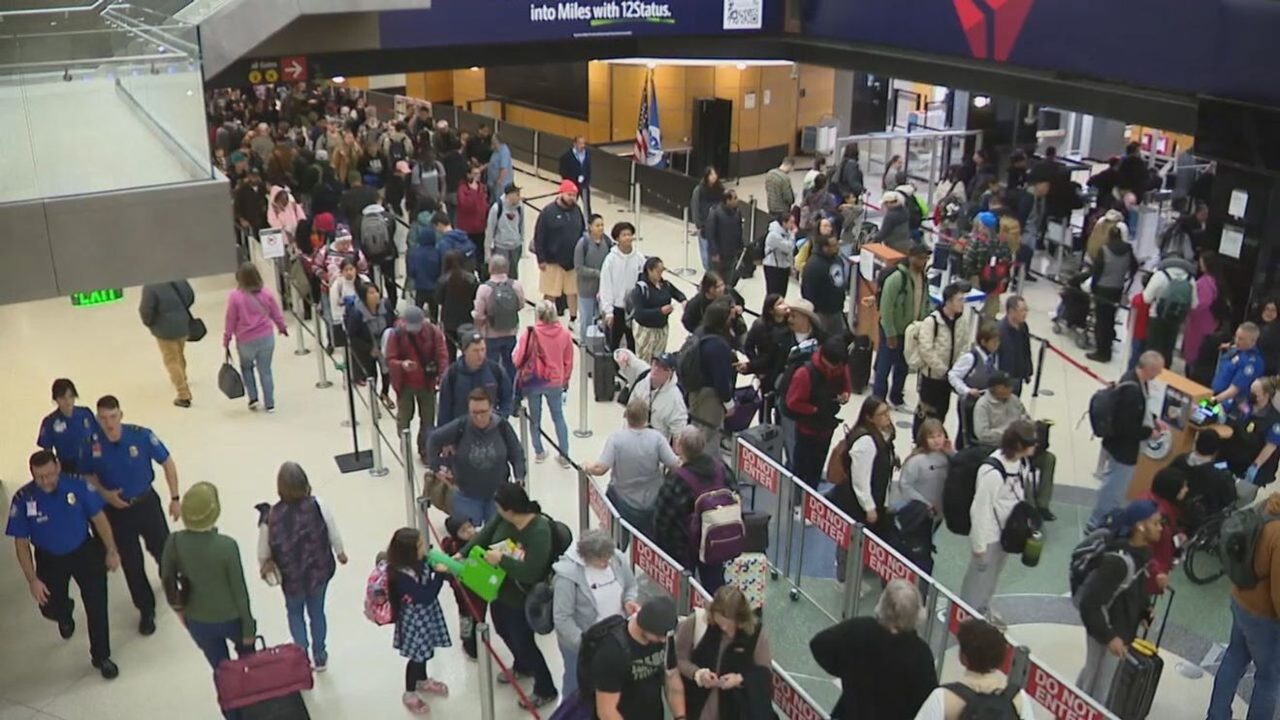
Airfare is getting more expensive — and the pressure is building fast. Surging jet fuel prices, driven by disruptions to critical oil supply routes, are forcing some of the world’s biggest airlines to confront sharply higher operating costs. The result? Travelers flying between Asia, Europe, and North America are already beginning to feel the squeeze through higher ticket prices, longer flight routes, and shifting schedules.
The countries at the center of this turbulence read like a who’s who of global aviation: the United States, Germany, Japan, Singapore, South Korea, and France. And the airlines caught in the crossfire — United Airlines, Lufthansa, Air France-KLM, and Cathay Pacific — are among the most widely traveled carriers on the planet.
If you have a long-haul flight booked, or you’re planning one, this is the story you need to understand right now.
Why Fuel Costs Are Reshaping Global Aviation Right Now
Jet fuel is typically one of the single largest expenses an airline carries. When prices spike, carriers face an uncomfortable choice: absorb the losses and take the financial hit, or pass those costs on to passengers through higher fares. Historically, airlines do both — and right now, they’re doing exactly that.
According to the source reporting, jet fuel prices have climbed sharply in recent weeks, triggered by disruptions in critical oil supply routes. That’s not a minor fluctuation. Supply route disruptions tend to create sustained price pressure rather than short-term spikes, which means airlines can’t simply wait it out. They have to adapt — and quickly.
The ripple effect is already visible across major aviation hubs. Longer flight paths, rerouted to avoid disrupted airspace or reduce risk, burn more fuel. More fuel burned means higher costs per flight. Higher costs per flight means higher fares for passengers. It’s a chain reaction that touches every traveler, whether they’re flying economy or business class.
The Airlines and Countries Directly in the Line of Fire
This isn’t a problem isolated to one region or one carrier. The aviation turbulence being reported spans multiple continents, with six major economies and at least four global airline brands confirmed to be navigating the pressure.
| Country | Airline Affected | Key Impact |
|---|---|---|
| United States | United Airlines | Rising operational costs, fare hike pressure |
| Germany | Lufthansa | Rising operational costs, fare hike pressure |
| France | Air France-KLM | Rising operational costs, fare hike pressure |
| Singapore / Hong Kong | Cathay Pacific | Shifting passenger patterns, longer routes |
| Japan | Regional carriers | Tourism economy impact, demand shifts |
| South Korea | Regional carriers | Long-haul route disruptions, cost increases |
The long-haul corridors connecting Asia, Europe, and North America are particularly exposed. These routes are already fuel-intensive under normal conditions. Any increase in jet fuel prices hits them disproportionately hard — and when airlines start rerouting those flights to avoid disrupted airspace, the cost burden climbs even further.
What This Means for Travelers Booking Flights Today
The practical consequences are already beginning to take shape. Here’s what travelers and tourism economies are seeing on the ground:
- Higher ticket prices — Airlines facing mounting fuel costs are under pressure to raise fares, particularly on long-haul international routes.
- Longer flight times — Rerouted flights to avoid disrupted airspace or supply-chain risk mean more time in the air, more fuel burned, and more passenger inconvenience.
- Shifting passenger patterns — As fares rise, some travelers are reconsidering plans, particularly on expensive long-haul journeys between Asia, Europe, and North America.
- Pressure on tourism economies — Countries like Japan, Singapore, and South Korea, which have invested heavily in post-pandemic tourism recovery, now face demand softening as travel costs climb.
- Capacity adjustments — Airlines are beginning to adjust how much seat capacity they deploy on affected routes, which can further tighten availability and push prices higher.
For anyone with an upcoming international trip, the message is clear: if you haven’t locked in your fares yet, the window for lower prices may be narrowing. Airlines rarely absorb fuel cost surges indefinitely before passing them through to ticket pricing.
The Broader Picture: Tourism Economies Under Pressure Too
It’s not just airlines feeling this. The tourism economies of the affected countries are also watching closely. Aviation and tourism are deeply linked — when flying gets more expensive, destination arrivals tend to soften, particularly for discretionary leisure travel.
For major aviation hubs like Singapore and South Korea, which function as critical transit points for intercontinental travel, any disruption to long-haul route economics has outsized effects. Fewer connecting passengers mean less revenue flowing through airports, hotels, and local businesses that depend on international visitor spending.
France and Germany face a similar dynamic from the European side, where Lufthansa and Air France-KLM carry a significant share of transatlantic and Asia-Europe traffic. If those carriers reduce capacity or raise fares substantially, the knock-on effects for European tourism could be meaningful heading into what was expected to be a strong travel season.
What Happens Next for Airlines and Passengers
The trajectory of this situation depends heavily on how long the oil supply route disruptions persist. Short-term disruptions tend to produce temporary fare spikes that stabilize once supply normalizes. Prolonged disruptions, however, can force airlines into structural changes — new route planning, revised capacity strategies, and sustained fare increases that become the new baseline.
Airlines will continue adjusting capacity on affected routes as the situation evolves. Passengers planning travel between Asia, Europe, and North America in the coming months should expect continued price volatility and may want to monitor fare movements closely rather than assuming prices will fall back to earlier levels.
The broader aviation industry is watching oil markets carefully. Until supply route stability returns, the pressure on carriers like United Airlines, Lufthansa, Air France-KLM, and Cathay Pacific — and the travelers who depend on them — is unlikely to ease.
Frequently Asked Questions
Which airlines are most affected by rising fuel costs right now?
United Airlines, Lufthansa, Air France-KLM, and Cathay Pacific are among the major carriers confirmed to be facing rising operational costs due to surging jet fuel prices.
Which countries are at the center of this aviation disruption?
The United States, Germany, Japan, Singapore, South Korea, and France are the key nations identified as being significantly affected by this global aviation turbulence.
Why are jet fuel prices rising so sharply?
The price increases have been triggered by disruptions to critical oil supply routes, which have pushed jet fuel costs — one of airlines’ largest expenses — sharply higher in recent weeks.
Will airfares actually go up for passengers?
Airlines are under mounting pressure to raise fares to offset higher fuel costs, particularly on long-haul routes connecting Asia, Europe, and North America. Fare hikes are already being reported as a likely outcome.
Are flight routes getting longer because of this?
Yes. Airlines are rerouting some flights to avoid disrupted airspace, which increases flight times, burns more fuel, and adds to the overall cost burden for carriers and passengers alike.
How long will this aviation turbulence last?
This has not yet been confirmed. The duration depends on how quickly the underlying oil supply route disruptions are resolved, and the situation continues to evolve.



Leave a Reply