
With an estimated 171 million passengers expected to fly across the United States in the coming months — a 4 percent jump over last year’s already-strained figures — the last thing the country’s aviation system needed was a staffing crisis at airport security checkpoints. Yet that is precisely where things stand heading into spring and summer 2026.
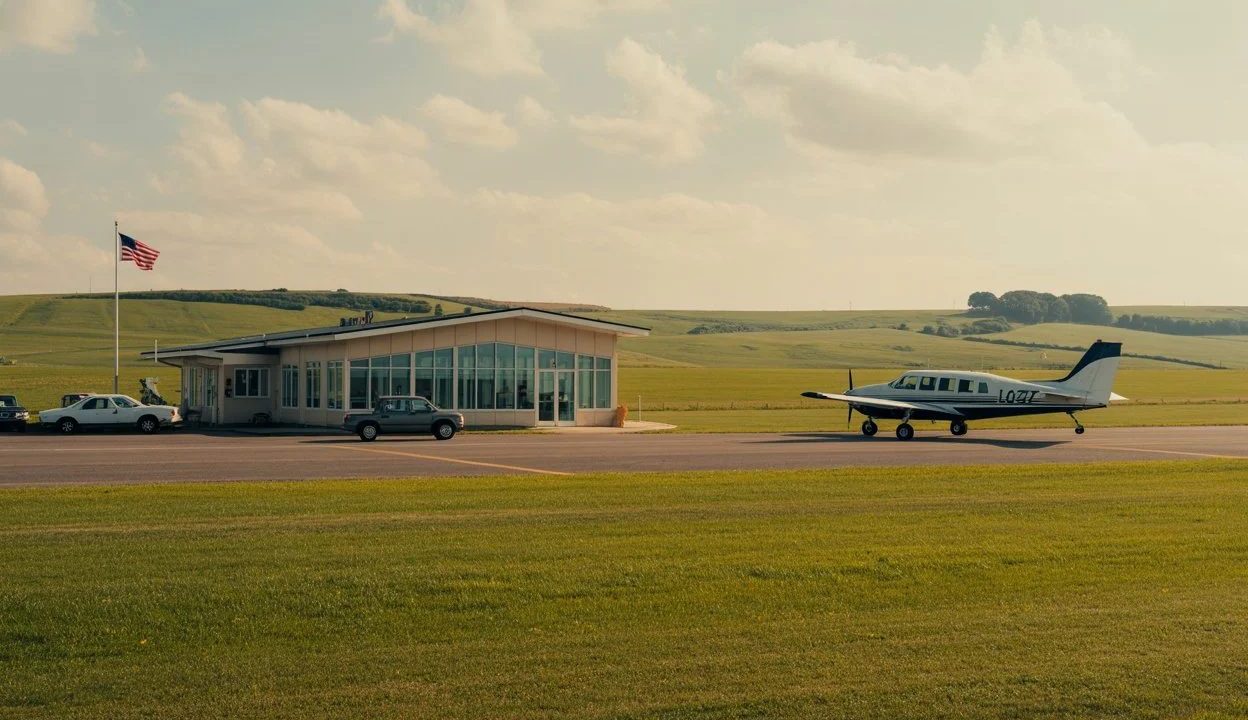
A senior government transport official has warned that if the ongoing partial Department of Homeland Security (DHS) shutdown continues without resolution, smaller U.S. airports could face temporary closures. The reason: rising absences among Transportation Security Administration (TSA) officers are quietly hollowing out the workforce that keeps security lanes running. And without those officers at their posts, some airports simply cannot legally operate.
For millions of travelers already booking warm-weather trips, the warning lands at the worst possible moment.
What the TSA Staffing Crisis Actually Means for Airports
The TSA is the backbone of U.S. airport security. Every checkpoint, every bag scan, every line snaking through a terminal depends on TSA officers being present and on duty. When staffing drops — whether through callouts, resignations, or furloughs tied to a government shutdown — the system starts to buckle.
Officials have noted that the current partial DHS shutdown has already begun pushing TSA operations toward a tipping point. Smaller regional airports are most exposed. Unlike major hubs, which can redistribute personnel and absorb short-term gaps, smaller facilities often operate with minimal staffing margins. Lose a few officers, and there may not be enough people to legally staff a checkpoint at all.
The consequence isn’t just longer lines. It’s the potential closure of the airport itself — at least temporarily — until staffing can be restored. For communities that depend on those airports for business travel, medical access, and connectivity to larger hubs, even a short closure can have serious ripple effects.
The Numbers Behind the Pressure
The scale of what TSA is being asked to manage this season makes the staffing shortfall even more alarming. Industry projections paint a clear picture of demand that was already pushing the system hard before the shutdown complications entered the picture.
| Metric | Detail |
|---|---|
| Projected passengers (spring/summer 2026) | Approximately 171 million |
| Year-over-year increase | 4 percent above prior year figures |
| Airports most at risk | Smaller regional U.S. airports |
| Primary cause of disruption | Rising TSA officer absences during partial DHS shutdown |
| Immediate visible impacts | Long security lines, delayed flights, mounting operational pressure |
The prior year’s passenger numbers had already strained travel networks. Adding another 4 percent on top of that — during a period of active staffing shortages — creates conditions that aviation and security experts have long flagged as unsustainable without adequate funding and personnel.
Which Travelers Are Most at Risk Right Now
Not every passenger faces the same level of exposure here. The risk is unevenly distributed, and understanding that matters if you’re planning travel in the weeks ahead.
- Travelers flying through small regional airports face the highest risk of disruption, including potential temporary closures if TSA staffing falls below operational thresholds.
- Passengers on connecting itineraries that route through smaller airports could find their entire trip disrupted even if their departure and destination cities are unaffected.
- Spring and summer vacationers booking trips now may be locking in plans without full visibility into how the shutdown situation resolves — or doesn’t.
- Business travelers who rely on regional airports for efficiency rather than routing through major hubs could face unexpected delays or rerouting.
For anyone flying domestically over the next several months, the practical advice is straightforward: keep an eye on news about the DHS funding situation, and if your itinerary involves a smaller airport, have a contingency plan in mind.
Why the Government Shutdown Is the Core Issue Here
It’s worth being clear about the chain of cause and effect. TSA officers are federal employees. When the Department of Homeland Security operates under a partial shutdown — meaning Congress has not passed full appropriations funding — that creates pressure throughout the agency. Officers may face delayed pay, reduced support, or uncertain working conditions. Absenteeism rises. Some workers seek other employment.
Officials have noted that this dynamic is already playing out, with TSA staffing gaps driving the long security lines and delayed flights that travelers are beginning to experience. The warning about potential small airport closures is not a worst-case hypothetical — it’s described as a real outcome if the funding impasse continues without resolution.
The broader concern is that the U.S. aviation system is heading into its busiest travel period with a structural vulnerability that no amount of operational creativity can fully offset. You cannot run a security checkpoint without screeners. And you cannot keep screeners on the job if the funding that pays and supports them remains in political limbo.
What Happens If the Shutdown Continues Into Peak Travel Season
The timing of all this is particularly uncomfortable. Spring break travel has already begun in many parts of the country, and summer bookings are being finalized now. The window for a clean resolution — one that restores full TSA funding before the highest-demand weeks arrive — is narrowing.
If the partial DHS shutdown drags on, the scenarios officials are warning about become more likely with each passing week. Temporary closures at smaller airports would force passengers onto already-crowded alternative routes. Major hub airports, absorbing diverted travelers, would face their own pressure. Flight delays would compound. And the 171 million passengers projected for this travel season would be navigating a system under significant stress.
For now, the situation remains fluid. Whether Congress moves to resolve the funding impasse before peak season hits will be the defining factor in how the summer travel picture ultimately unfolds.
Frequently Asked Questions
Which airports are most at risk of temporary closure?
Smaller regional U.S. airports face the greatest risk, as they operate with minimal staffing margins and cannot absorb TSA officer absences the way larger hub airports can.
How many passengers are expected to fly this spring and summer?
Industry projections estimate approximately 171 million passengers during the upcoming spring and summer travel period — a 4 percent increase over the prior year’s figures.
What is causing TSA staffing shortages?
Rising absences among TSA officers have been linked to the ongoing partial Department of Homeland Security shutdown, which has created pressure across the federal workforce that oversees airport security.
What immediate travel disruptions are already happening?
TSA staffing gaps are already contributing to long security lines and delayed flights at airports across the country, according to officials cited in reporting on the situation.
Should I change my travel plans because of this?
If your itinerary involves a smaller regional airport, it is worth monitoring the situation closely and considering contingency options, though specific guidance on individual airports has not yet been confirmed.
Is a full resolution to the DHS shutdown expected soon?
This has not yet been confirmed. The situation remains fluid, and the outcome depends on congressional action to restore full appropriations funding for the Department of Homeland Security.



Leave a Reply