
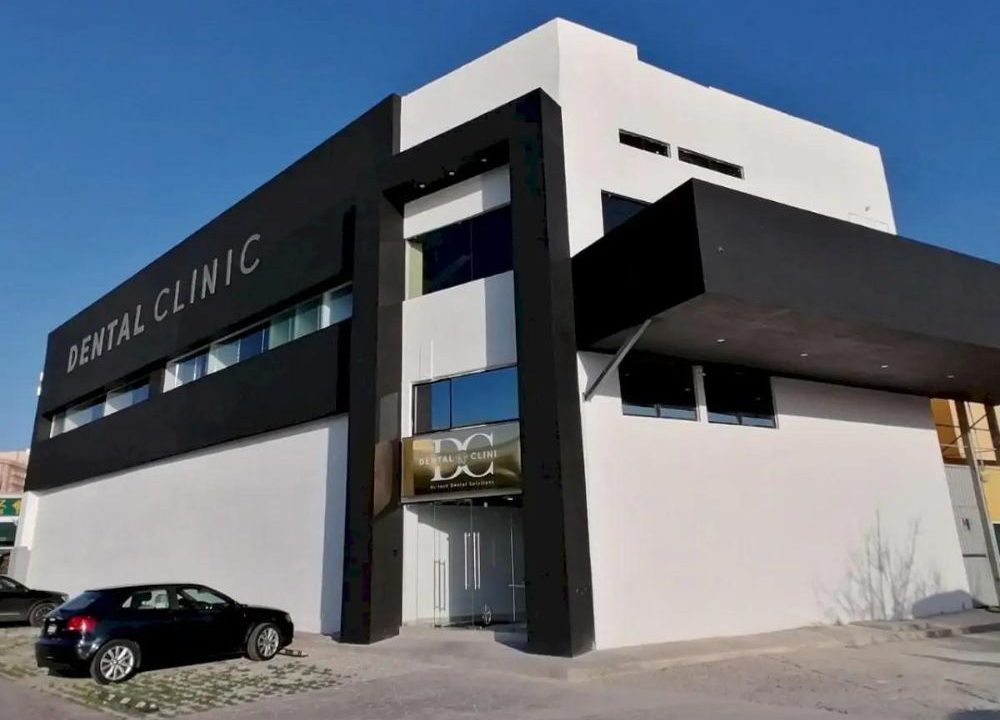
More than 1 million Americans travel abroad each year specifically for dental care, according to estimates from the American Dental Association. A growing portion of them land not in Europe or Southeast Asia, but in a sun-drenched resort city on Mexico’s Caribbean coast.
Cancun was once synonymous with spring break. Now it’s synonymous with something else entirely: transformative dental work at a fraction of U.S. costs, delivered inside clinics that rival the best practices in Miami or Los Angeles.
The question worth asking isn’t whether dental tourism in Cancun works. It’s why it took this long for the rest of the world to notice.
The Price Gap That Started Everything
A single dental implant in the United States routinely costs between $3,000 and $6,000. A full-mouth restoration can push past $50,000. For millions of uninsured or underinsured Americans, that price tag is simply unreachable.
In Cancun, the same procedures can cost up to 70% less. That’s not a discount. That’s a different financial universe.
| Procedure | U.S. Average Cost | Cancun Average Cost | Estimated Savings |
|---|---|---|---|
| Single Dental Implant | $3,000–$6,000 | $900–$1,800 | Up to 70% |
| Full-Mouth Implants | $40,000–$90,000 | $12,000–$28,000 | Up to 65% |
| Invisalign Full Treatment | $4,000–$8,000 | $1,500–$3,500 | Up to 60% |
| Porcelain Veneers (per tooth) | $900–$2,500 | $350–$700 | Up to 70% |
The savings are large enough that patients routinely factor in round-trip flights, resort accommodations, and several days of sightseeing, and still come home thousands of dollars ahead.
That math, repeated in online forums, Reddit threads, and word-of-mouth conversations between neighbors, has fueled a quiet revolution in how Americans think about both healthcare and travel.
What Cancun Actually Offers
The city’s dental tourism infrastructure didn’t emerge accidentally. Over two decades, Cancun built a cluster of cosmetic dentistry clinics that cater specifically to international patients. Many of these practices are staffed by dentists trained at prestigious Mexican universities, with advanced certifications from U.S. and European institutions.
Clinics like Cancun Dental Design have built reputations on precision and transparency. Many offer virtual consultations before patients ever board a plane, allowing prospective patients to submit X-rays and receive detailed treatment plans and cost breakdowns in advance.
The technology inside these clinics is genuinely modern. Digital imaging, CAD/CAM milling for same-day crowns, 3D smile simulations, and the latest Invisalign aligner systems are standard features, not selling points. Dental Design Studio describes the experience as combining luxury with clinical precision, noting that smile makeovers are planned and executed with the same rigor found in top U.S. cosmetic practices.
“Transforming your smile has never been easier or more luxurious. Cancun, a global hub for dental tourism, offers world-class cosmetic dentistry services that meet international standards of care.”
— Dental Design Studio, Cancun
The Safety Question Everyone Asks
The most common concern from first-time dental tourists is predictable: is it actually safe? The answer, when examined honestly, is more reassuring than many expect.
Cancun operates under Mexico’s federal health regulatory framework, COFEPRIS, which sets standards for licensed dental professionals. The city’s tourist zone, the Hotel Zone known locally as Zona Hotelera, is one of the most heavily monitored and internationally frequented corridors in all of Latin America.
Established clinics in Cancun actively publish patient testimonials, treatment portfolios, and credential documentation. Many encourage patients to send X-rays and dental records weeks before arrival, so no time is wasted on assessment once the patient lands.
The infrastructure also supports medical continuity. Top-tier clinics provide follow-up consultations via telehealth and maintain relationships with dental professionals in the U.S. for patients who need local check-ins after returning home.
The Trip Itself: Where Dentistry Meets the Caribbean
Here is the part that separates Cancun from a dental clinic in any other context: the backdrop.
Most dental procedures don’t require a patient to be in the chair every single day of a trip. A typical implant consultation, placement, and initial recovery can be structured around free mornings and open afternoons. Invisalign consultations and fittings are often completed in a single appointment. That leaves considerable time to actually experience one of the world’s most celebrated tropical destinations.
Cancun sits at the northern tip of the Yucatan Peninsula, where the Caribbean Sea runs in shades of turquoise that seem digitally enhanced. The Mesoamerican Barrier Reef, the second largest in the world, lies just offshore. Chichen Itza, one of the New Seven Wonders of the World, is a two-hour drive inland.
| Procedure | U.S. Average Cost | Cancun Average Cost | Estimated Savings | Savings Percentage | Worth Traveling For? |
|---|---|---|---|---|---|
| Single Dental Implant | $3,000–$6,000 | $900–$1,800 | Up to $4,200 | Up to 70% | ✅ High Value |
| Full-Mouth Implants | $40,000–$90,000 | $12,000–$28,000 | Up to $62,000 | Up to 65% | ✅ High Value |
| Invisalign Full Treatment | $4,000–$8,000 | $1,500–$3,500 | Up to $4,500 | Up to 60% | ✅ High Value |
| Porcelain Veneers (per tooth) | $900–$2,500 | $350–$700 | Up to $1,800 | Up to 70% | ✅ High Value |
| Full-Mouth Restoration | $30,000–$50,000 | $9,000–$18,000 | Up to $32,000 | Up to 65% | ✅ High Value |
Patients recovering from procedures have been known to spend their healing days floating in hotel pools, eating fresh ceviche, or taking boat trips to the island of Isla Mujeres. The contrast between clinical precision in the morning and Caribbean sunsets in the evening is, for many visitors, genuinely surreal.
The Emerging Patient Profile
The stereotype of dental tourism as a last resort for people who can’t afford better is being systematically dismantled by the actual data. Middle-class Americans with full-time jobs and decent insurance are choosing Cancun because their insurance doesn’t cover cosmetic work, or caps implant coverage at a level that barely makes a dent in U.S. prices.
Retirees are another significant segment. Fixed incomes and Medicare’s famously limited dental coverage leave millions of older Americans facing enormous out-of-pocket costs for the restorative work their aging teeth require. Cancun offers a viable alternative that doesn’t require draining a savings account.
Younger patients, particularly those seeking Invisalign treatment, represent a growing third cohort. Many are remote workers who can structure a two-week stay in Mexico around both aligner consultations and continued professional productivity. They work from beachfront cafes between appointments, turning a dental trip into something closer to a working sabbatical.
What This Means for the Future of Travel
Dental tourism in Cancun is part of a broader shift in how people conceptualize both healthcare and vacation. The idea that medical procedures must happen within driving distance of home, performed by a provider within your insurance network, is dissolving under the pressure of cost reality and global connectivity.
Cancun represents a specific crystallization of this shift. It has the dental infrastructure, the international accessibility, the safety profile, and the destination appeal to function as a complete package. Clinics have responded by professionalizng their patient-acquisition process, offering concierge-style coordination that handles airport transfers, hotel recommendations, and appointment scheduling as a bundled service.
The Travel and Tour World has documented the growth of this sector, noting that Cancun’s cosmetic dentistry offerings, from full-mouth implants to Invisalign clear aligners, have positioned the city as a genuine global hub for patients seeking both quality and value.
The broader implication is harder to ignore: when a Caribbean vacation and a complete smile restoration together cost less than a single dental implant at home, the question isn’t whether dental tourism makes sense. The question is why it took the American healthcare system this long to force the conversation.
Your dentist’s waiting room has never looked quite the same after you’ve spent a recovery afternoon watching the sun go down over the Caribbean.



Leave a Reply