
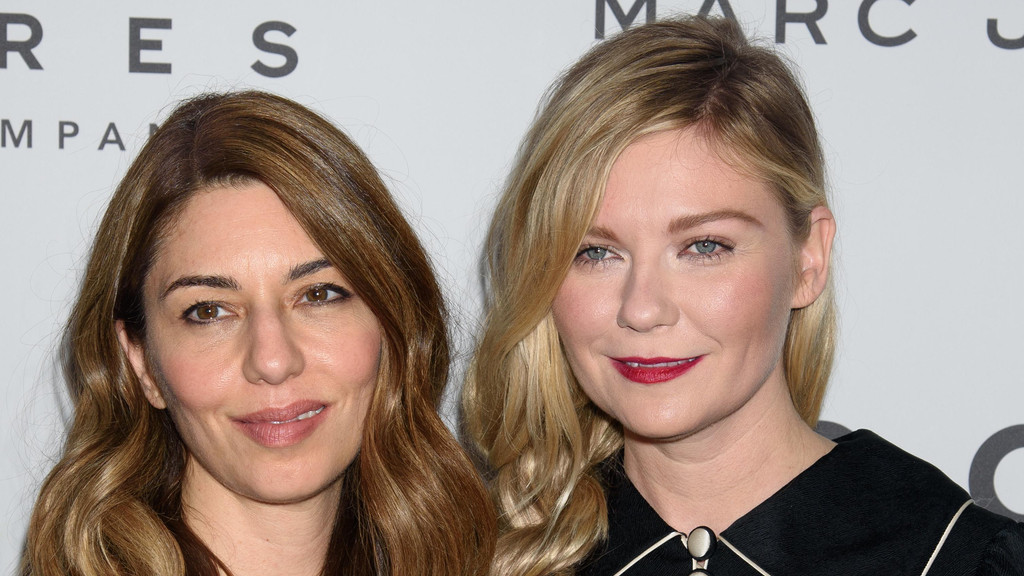
One of cinema’s most beloved creative partnerships has hit a wall — and this time, it may be permanent. Sofia Coppola and Kirsten Dunst, who have collaborated across more than two decades of filmmaking, were reportedly developing a fifth project together. According to reports published in March 2026, that film has now been cancelled.
For fans of both women’s work, the news stings. Their collaborations have produced some of the most visually distinctive and emotionally resonant films of their respective careers. Losing a fifth chapter to that story — whatever it might have been — feels like a real loss for cinema.
Here’s what we know, what we don’t, and why this partnership has always been worth paying attention to.
A Creative Bond That Stretches Back to 1999
Sofia Coppola and Kirsten Dunst first worked together on The Virgin Suicides in 1999. That film — Coppola’s feature directorial debut — announced both women as singular forces in American cinema. Dunst brought a haunting, luminous quality to her role, and Coppola’s direction established an aesthetic language she would refine over the decades that followed.
Their next collaboration came in 2006 with Marie Antoinette, a film that divided critics at the time but has since been reassessed as a bold, genre-defying piece of work. Coppola’s willingness to reimagine the French queen through a deeply personal, almost anachronistic lens found a natural interpreter in Dunst.
The two continued working together on further projects, building what became one of the more quietly remarkable director-actress partnerships in modern Hollywood. By the time reports of a fifth film surfaced, there was genuine excitement among film audiences and industry observers alike.
What We Know About the Cancelled Fifth Film
Details about the cancelled project remain limited. Reports confirmed that a fifth collaboration between Coppola and Dunst was in development and has now been axed, but the specific subject matter, working title, and reasons for the cancellation have not been publicly disclosed.
This is worth being clear about: What is confirmed is that the film was in some stage of development and that it will not be moving forward.
Film cancellations at the development stage are not unusual — the vast majority of projects that enter early development never reach production. But given the track record of this particular partnership, the loss carries extra weight.
The Coppola–Dunst Collaboration at a Glance
| Film | Year | Notes |
|---|---|---|
| The Virgin Suicides | 1999 | Coppola’s feature directorial debut; Dunst in a starring role |
| Marie Antoinette | 2006 | Second collaboration; Dunst as the lead; critically divisive on release |
| Third collaboration | TBC | Further details not confirmed in available source material |
| Fourth collaboration | TBC | Further details not confirmed in available source material |
| Fifth project (untitled) | Cancelled | Reported cancelled as of March 2026 |
The table above reflects what has been confirmed across available reporting. Specific details about the third and fourth collaborations were not included in
Why This Partnership Mattered — And Still Does
Director-actress partnerships of this depth and duration are genuinely rare. Think of the shortlist: Scorsese and De Niro, Burton and Depp, Almódovar and Cruz. Coppola and Dunst belong in that conversation — not because of volume, but because of consistency of vision and the way their work together has always felt like a shared artistic language rather than a simple business arrangement.
Coppola’s films are known for their introspective quality, their attention to mood over plot, and their distinctly feminine gaze on subjects that mainstream Hollywood has often treated as peripheral. Dunst has proven, across her career, to be an actress capable of carrying that kind of internal, emotionally layered work without pushing it into melodrama.
Their films together have not always been commercial blockbusters, but they have endured. The Virgin Suicides in particular has grown in cultural stature significantly since its release, and Marie Antoinette — once dismissed by some critics — is now regularly cited as an underappreciated work of the 2000s.
A fifth film would have represented another chapter in that legacy. Its cancellation closes a door that many in the film world had hoped to see open.
What This Means for Both Careers Going Forward
Neither Coppola nor Dunst is standing still. Both remain active and respected figures in the industry, and a single cancelled project — even one as anticipated as this — does not define what comes next for either of them.
Coppola continues to be one of the most distinctive voices in American independent cinema. Dunst, meanwhile, has expanded her range considerably in recent years, earning renewed critical acclaim and demonstrating that she has far more to offer than any single collaboration, however meaningful.
Whether the two will find their way back to a project together at some point remains an open question. Cancellations are not always permanent endings — sometimes a project dies in one form and is reborn in another, years later. But for now, the fifth chapter of their shared filmography will not be written.
For those who have followed their work closely, that is a genuinely disappointing outcome. The best creative partnerships are rare enough that losing even a potential addition to one feels like something the wider culture is slightly poorer for.
Frequently Asked Questions
How many films have Sofia Coppola and Kirsten Dunst made together?
Their confirmed collaborations include at least four films, beginning with The Virgin Suicides in 1999 and Marie Antoinette in 2006. A planned fifth project has now been cancelled.
Why was the fifth Coppola and Dunst film cancelled?
The specific reasons for the cancellation have not been publicly confirmed. No statements from either Coppola or Dunst have been released explaining what happened.
What was the fifth film going to be about?
This has not been confirmed. Details about the subject matter or working title of the cancelled project were not made public.
When was the cancellation reported?
Reports of the cancellation were published in March 2026.
Will Coppola and Dunst work together again in the future?
This has not been confirmed. Neither filmmaker nor actress has publicly addressed whether future collaborations are planned.
What was the first film Sofia Coppola and Kirsten Dunst made together?
The Virgin Suicides, released in 1999, was their first collaboration and also served as Coppola’s feature directorial debut.

Leave a Reply