
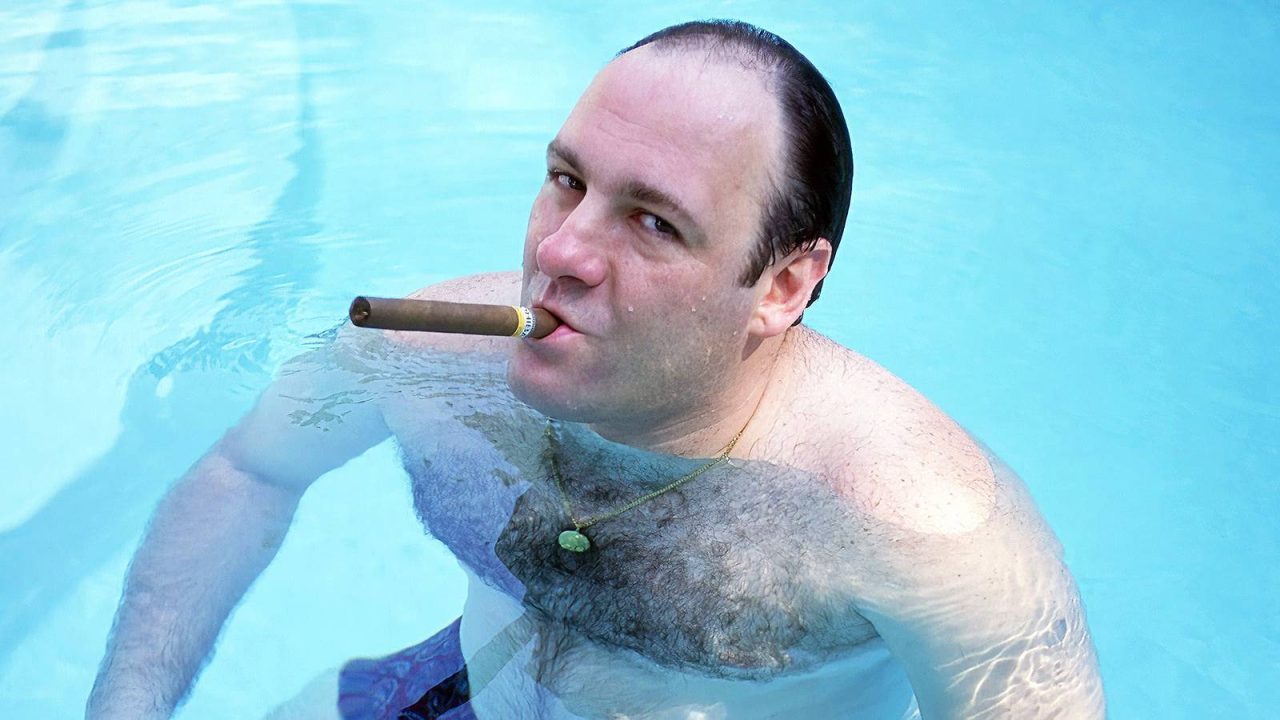
Twenty-seven years after it first aired, one television series continues to dominate every serious conversation about the greatest gangster show ever made — and no amount of prestige TV that has followed has managed to knock it from that position.
The Sopranos debuted on HBO in January 1999, and what creator David Chase built over six seasons remains, by almost any critical measure, the gold standard of gangster storytelling on television. The show didn’t just change what crime drama could look like — it fundamentally changed what television itself was allowed to be.
Nearly three decades later, the argument isn’t really whether The Sopranos is great. It’s whether anything will ever come close to matching it.
Why The Sopranos Still Holds the Crown
What separated The Sopranos from everything that came before it wasn’t the violence or the mob mythology — it was the psychological depth. Tony Soprano, played by the late James Gandolfini, wasn’t just a mob boss navigating power struggles and loyalty tests. He was a middle-aged man in therapy, struggling with panic attacks, a suffocating mother, and a marriage held together by denial and mutual convenience.
That combination — the brutality of organized crime layered beneath the mundane anxieties of suburban American life — had never been attempted at that scale on television. It gave the show a texture that felt genuinely literary, the kind of storytelling that critics had previously reserved for novels and prestige film.
The show ran for six seasons on HBO, ending in 2007 with one of the most debated series finales in television history. That cut to black has been analyzed, argued over, and written about for nearly two decades — which is itself a measure of how deeply the show embedded itself in the culture.
What Made It Different From Every Other Gangster Story
The gangster genre has a long and celebrated history — from the classic Hollywood films of the 1930s to Francis Ford Coppola’s Godfather trilogy to Martin Scorsese’s body of work. The Sopranos didn’t ignore that tradition. It absorbed it, referenced it constantly, and then pushed well past it.
Where most mob stories romanticize the criminal world — the loyalty codes, the power, the lifestyle — The Sopranos was relentlessly unsentimental. These were people doing terrible things to each other and to innocent bystanders, and the show never let the audience fully off the hook for finding them compelling anyway.
That moral complexity is what elevated it above the competition. The viewer was always implicated — rooting for Tony one moment, horrified by him the next, and then forced to sit with the discomfort of both feelings at once.
The Show’s Legacy by the Numbers
The cultural and critical footprint of The Sopranos is difficult to overstate. A look at its awards record alone tells part of the story:
| Category | Detail |
|---|---|
| Original network | HBO |
| Original premiere date | January 1999 |
| Series finale | 2007 |
| Number of seasons | 6 |
| Creator | David Chase |
| Lead actor | James Gandolfini (Tony Soprano) |
| Years since premiere | 27 (as of 2026) |
Beyond the statistics, the show’s influence on television’s so-called “golden age” is widely acknowledged by critics and creators alike. Series like Breaking Bad, The Wire, and Mad Men — all of which have their own fierce advocates — exist in a landscape that The Sopranos helped create.
The Shows That Tried — and How They Compare
That’s not to say the competition hasn’t been fierce. The years since The Sopranos wrapped have produced genuinely exceptional gangster and crime television:
- The Wire — David Simon’s Baltimore crime epic is often placed alongside The Sopranos in the pantheon, praised for its systemic view of crime and institutional failure.
- Boardwalk Empire — HBO’s Prohibition-era drama brought cinematic production values and a serious cast, but never quite generated the same cultural gravity.
- Peaky Blinders — The British crime drama built a devoted global following and ran for six seasons, though its stylized aesthetic operates in a different register entirely.
- Ozark — Netflix’s money-laundering thriller earned strong reviews and audience numbers, but critics generally place it a tier below the all-time greats.
Each of these shows has genuine merit. None of them have dislodged The Sopranos from the top of the conversation — and at 27 years and counting, that position looks increasingly permanent.
Why Nothing Has Topped It — and Whether Anything Could
Part of what makes The Sopranos so difficult to surpass is the specific moment it arrived. Television in 1999 was not supposed to be capable of what David Chase delivered. The show’s ambition felt shocking precisely because the medium had set such modest expectations for itself.
Any series attempting something similar today enters a landscape that The Sopranos already transformed. The bar is higher, the audience is more sophisticated, and the element of genuine surprise — that feeling of watching television do something it had never done before — simply cannot be replicated.
That’s not a knock on current television. It’s just the reality of what it means to be first, and to be that good, at the same time.
James Gandolfini’s performance as Tony Soprano remains one of the most celebrated in the history of the medium. The character he created — flawed, frightening, funny, and somehow sympathetic — set a template for the antihero that television has been working from ever since. His death in 2013 closed the door permanently on any possibility of a true sequel, though the 2021 prequel film The Many Saints of Newark revisited the world Chase built.
Twenty-seven years on, the debate about the best gangster series ever made tends to start and end in the same place. Some arguments in television don’t really have two sides.
Frequently Asked Questions
When did The Sopranos first air?
The Sopranos premiered on HBO in January 1999 and ran for six seasons, concluding in 2007.
Who created The Sopranos?
The series was created by David Chase, who developed the concept and served as its primary creative force throughout its run.
Who played Tony Soprano?
Tony Soprano was played by James Gandolfini, whose performance is widely regarded as one of the greatest in television history. Gandolfini passed away in 2013.
Is there a Sopranos sequel or continuation?
A prequel film, The Many Saints of Newark, was released in 2021, but no direct continuation of the original series has been confirmed.
Why is The Sopranos considered the best gangster TV series?
Critics and audiences point to its psychological complexity, moral ambiguity, and the way it redefined what television storytelling could achieve — arriving at a moment when the medium had set far more modest expectations for itself.
How does The Sopranos compare to other acclaimed crime dramas like The Wire?
Both shows are frequently cited among the greatest television series ever made, but The Sopranos generally holds the top position in most critical rankings, largely due to its pioneering role in elevating the medium as a whole.

Leave a Reply