
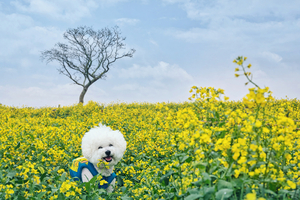
Traveling with a pet used to mean kennels, pet-sitters, and a guilty goodbye at the door. In South Korea, that picture is changing fast — and the country’s hotel industry is racing to keep up.
Across South Korea, accommodation providers are redesigning their spaces, rethinking their policies, and building entirely new service categories around one clear reality: a growing number of travelers consider their pets family, and they have no intention of leaving family behind when they go on holiday.
The shift is visible enough that the travel industry has given it a name. “Pet-fam” travel — shorthand for pet-as-family travel — is now being treated not as a niche preference but as a mainstream market force reshaping how hotels across the country operate.
Why South Korea’s Pet Travel Boom Is Different This Time
Pet-friendly travel is not a new concept globally, but what is happening in South Korea reflects something more structural than a passing trend. Pet ownership in the country has been rising steadily, particularly among younger urban households. As more people in cities raise pets, the idea of planning a holiday that excludes them is increasingly unappealing.
This demographic shift is significant. Younger adults in South Korea — the same generation driving much of the country’s consumer spending — are more likely to own pets than previous generations, and they are also more likely to treat those animals as genuine members of the household. When that mindset meets travel planning, the result is a traveler who actively seeks out hotels that welcome their dog or cat, and who will walk away from those that do not.
Hotels that ignored this segment even a few years ago are now finding it impossible to do so. The demand is consistent, visible, and growing.
How Hotels Are Responding to the Pet-Fam Movement
The response from South Korea’s accommodation sector has been broad and practical. Hotels are not simply adding a “pets allowed” line to their booking pages. They are redesigning the guest experience from the ground up to accommodate travelers who arrive with animals.
The kinds of changes being introduced span facilities, services, and day-to-day operations. Some of the most common adaptations include:
- Dedicated pet-friendly room categories with appropriate flooring, bedding, and furnishings
- On-site amenities such as pet washing stations and grooming areas
- Pet menus and in-room dining options for animals
- Designated outdoor areas where pets can exercise safely
- Staff training to handle guests traveling with animals
- Pet welcome kits provided at check-in
The breadth of these changes signals that hotels are not treating this as a minor accommodation. They are treating pet-fam travelers as a distinct guest category with specific needs — and investing accordingly.
What the Pet-Fam Shift Means for South Korea’s Tourism Industry
| Factor | Traditional Travel Model | Pet-Fam Travel Model |
|---|---|---|
| Pet policy | Pets generally not permitted | Pets welcomed as guests |
| Room design | Standard furnishings | Pet-adapted rooms and materials |
| Guest profile | Adults, families with children | Includes pet-owning households |
| Service scope | Human-focused amenities | Amenities extended to pets |
| Booking behavior | Pet ownership not a factor | Pet policy is a primary booking criterion |
The implications extend well beyond individual hotels. When a significant portion of travelers begin filtering their accommodation choices based on pet policies, the entire tourism supply chain adjusts. That means destination marketing, transport services, dining venues, and activity providers all face pressure to become more pet-inclusive.
South Korea’s broader tourism industry appears to be recognizing this. The pet-fam trend is not just changing where people stay — it is changing where they go, how long they stay, and how much they spend during a trip.
Who This Affects Most Directly
The most immediate impact falls on two groups: pet-owning travelers who have previously had to leave animals behind, and hotels that have been slow to adapt their policies.
For travelers, the expansion of genuine pet-friendly options means more freedom in planning. A holiday no longer requires the added cost and stress of boarding a pet or arranging a sitter. That practical benefit alone is enough to shift booking decisions significantly.
For hotels, the calculus is competitive. As more properties introduce real pet-friendly infrastructure — not just token permission for small dogs — those still operating under outdated policies risk losing bookings from a growing and loyal segment of travelers. Pet-fam travelers, industry observers note, tend to be highly motivated by the quality of pet-specific services when choosing where to return.
Urban hotels in major South Korean cities are feeling this pressure most acutely, given that urban households are where pet ownership rates are climbing fastest.
Where This Trend Is Heading
The trajectory points toward continued growth. As the generation of younger adults who normalized pet ownership moves further into its prime spending years, the market for pet-inclusive travel is expected to deepen rather than plateau.
Hotels that have already invested in pet-fam infrastructure are likely to expand those offerings. Those that have not will face increasing pressure to do so as the behavior becomes more mainstream and the business case becomes harder to ignore.
South Korea’s hospitality sector is, by most accounts, still in the early stages of this transition. The groundwork being laid now — in room design, staff training, and service development — will define which properties lead the market and which play catch-up over the next several years.
The broader signal is clear: for a growing number of travelers in South Korea, a hotel that does not welcome their pet is simply not on the list.
Frequently Asked Questions
What is “pet-fam” travel?
Pet-fam travel refers to the practice of traveling with pets as family members, rather than leaving them at home or in boarding facilities. The term reflects a cultural shift in how pet owners view their animals in the context of holidays and leisure trips.
Why is pet-friendly travel growing in South Korea specifically?
Pet ownership in South Korea has been rising steadily, particularly among younger urban adults who are more likely to treat pets as family members. This has directly influenced travel preferences and hotel booking behavior.
What kinds of facilities are pet-friendly hotels in South Korea offering?
Hotels are introducing dedicated pet-adapted rooms, grooming and washing stations, pet menus, designated outdoor exercise areas, and welcome kits for animal guests, among other services.
Does this trend affect only hotels, or the wider tourism industry?
The shift extends beyond hotels. As pet-fam travel becomes more mainstream, the broader tourism industry — including transport, dining, and activity providers — faces growing pressure to accommodate travelers with pets.
Are all types of hotels in South Korea adapting to this trend?
Is this trend expected to continue growing?
Based on the demographic patterns described — rising pet ownership among younger adults who are entering their prime spending years — industry observers expect the pet-fam travel market to continue expanding rather than level off.




Leave a Reply