
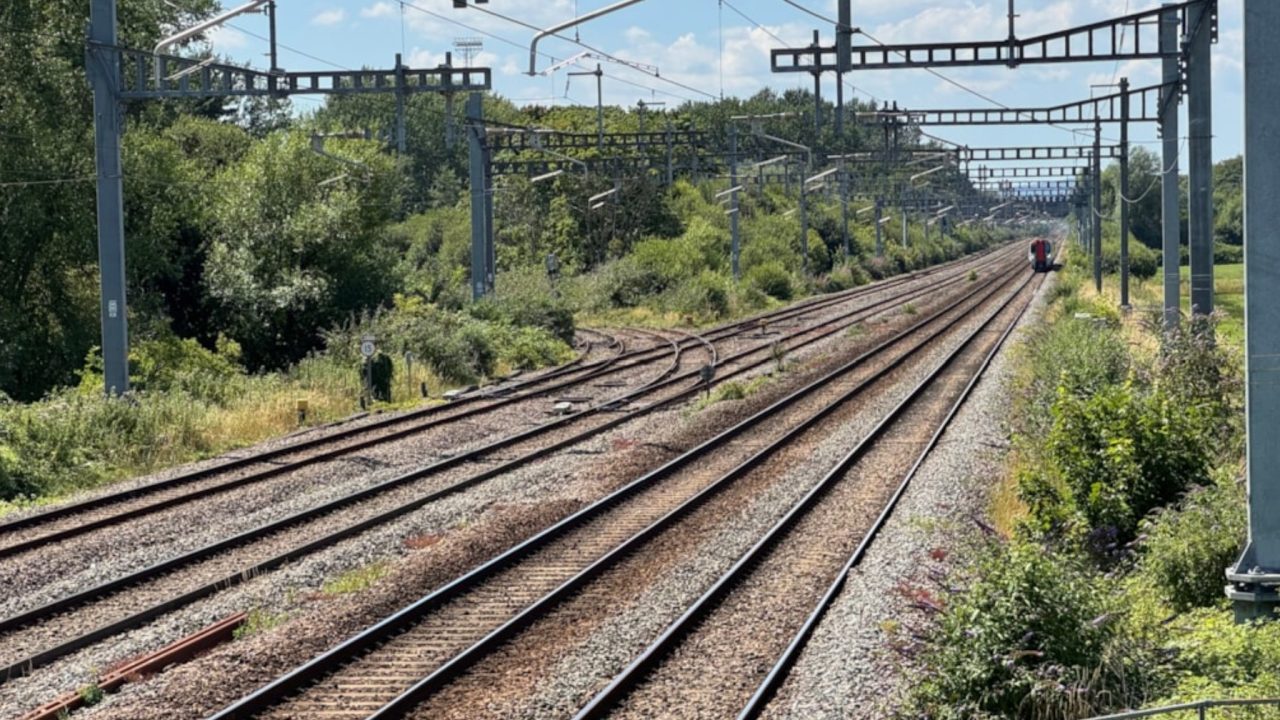
Six new train stations. Faster services. And a direct rail link that could reshape how people move between South Wales and England — that’s what’s on the table as a major infrastructure proposal officially lands with the UK government.
Network Rail’s submission of the South Wales Relief Line Upgrade to the Department for Transport marks a genuine turning point — six new stations and faster cross-border services could fundamentally redefine how people live, work, and travel across South East Wales.
Network Rail has submitted the South Wales Relief Line Upgrade (SWRLU) to the Department for Transport, marking a significant step forward for a project that could transform rail connectivity between Cardiff Central and Severn Tunnel Junction. For commuters, tourists, and businesses on both sides of the border, this is a development worth watching closely.
The core idea is straightforward: lines that have largely been used by freight traffic could be upgraded to carry faster passenger trains — and six entirely new stations could be built along the route in South East Wales as a result.
What the South Wales Relief Line Upgrade Actually Involves
The SWRLU is a comprehensive rail infrastructure project focused on a stretch of track running between Cardiff Central and Severn Tunnel Junction. Right now, the relief lines along this corridor are predominantly used by freight. The upgrade would increase line speeds on these existing tracks, making them viable for regular passenger services.
That shift in how the lines are used is what unlocks the opportunity for new stations. By adding capacity to the network, the project creates space for passenger services that simply couldn’t run before — at least not without getting in the way of freight operations or slowing things down for trains already using the main lines.
The broader ambition behind the project goes beyond just adding trains and stations. Officials have framed the upgrade as part of a larger strategy to offer more sustainable transport options across the region, reduce road congestion, and strengthen cross-border connections between Wales and England.
The six new stations and upgraded line speeds remain aspirational at this stage. Formal government approval, funding confirmation, and construction planning must all follow before any changes take effect. Residents and businesses should await the Department for Transport’s response before drawing firm conclusions.
The Key Details: What’s Planned and Where
Here’s what What is clear is that they would serve South East Wales, a region that has historically had fewer rail options compared to other parts of the country.
| Feature | Current Situation | After Upgrade (Proposed) |
|---|---|---|
| Primary Line Use | Predominantly freight traffic | Regular passenger & freight services |
| Passenger Stations | Existing main-line stops only | Up to 6 new stations in South East Wales |
| Line Speeds | Limited — suited to freight operations | Increased — viable for faster passenger trains |
| Cross-Border Links | Constrained capacity on key corridor | Strengthened Wales–England connectivity |
| Road Congestion Impact | Fewer alternatives to driving | More sustainable travel options; reduced road pressure |
Who Stands to Benefit — and Why It Matters Beyond the Train Timetable
The people most directly affected by this project are everyday commuters who currently rely on roads or existing, often congested, rail services to get in and out of Cardiff. A new set of stations along an upgraded corridor could mean shorter journey times, more frequent services, and a genuine alternative to sitting in traffic.
But the benefits aren’t limited to people who live and work in the region. Supporters of the project point to its potential to attract tourists — particularly those travelling between England and Wales — by making the journey more accessible and reliable. The stretch between Cardiff and Severn Tunnel Junction is a key gateway into Wales, and improving it could have a ripple effect on visitor numbers to the wider region.
For businesses, better rail connectivity tends to translate into wider talent pools, easier logistics, and stronger commercial ties with other cities. A more connected South East Wales is, in economic terms, a more competitive one.
Advocates also highlight the sustainability angle. Getting more people onto trains and out of cars is one of the more practical ways to cut transport emissions — and projects like this one are central to that effort at a regional level.
Where the Project Goes from Here
The submission to the Department for Transport is described as an important milestone, but it is not the finish line. Government review and approval processes typically follow a formal submission, and large infrastructure projects of this kind move through several stages before construction begins.
The specific timeline for a decision — or for any subsequent planning, funding, and construction phases — has not been confirmed in the available information. What is known is that the project has now cleared a significant hurdle by reaching the formal submission stage.
For residents and businesses in South East Wales, the next meaningful update will likely come from the Department for Transport as it works through the proposal. The six new stations and upgraded line speeds remain aspirational until formal approval and funding are secured.
Still, the fact that Network Rail has brought the SWRLU to this point signals serious institutional momentum behind the project. Rail upgrades of this scale don’t reach government submission without significant planning, consultation, and commitment — which suggests this is more than just an idea on paper.
Frequently Asked Questions

You Might Also Like
United Airlines Flight UA1578 Diverted Mid-Route After Crew Spotted a Problem
A routine cross-country flight turned into an unplanned stop in the Midwest when United Airlines…

JFK Flights to Europe and the Middle East Caught in a Growing Delay Crisis
Fourteen flights canceled and hundreds more delayed — that’s the reality greeting travelers at John…

Dallas-Fort Worth Delays Ripple Across Atlanta, New York, and Orlando
A staggering 268 flight delays and 2 cancellations hit Dallas/Fort Worth International Airport on March…
Leave a Reply