
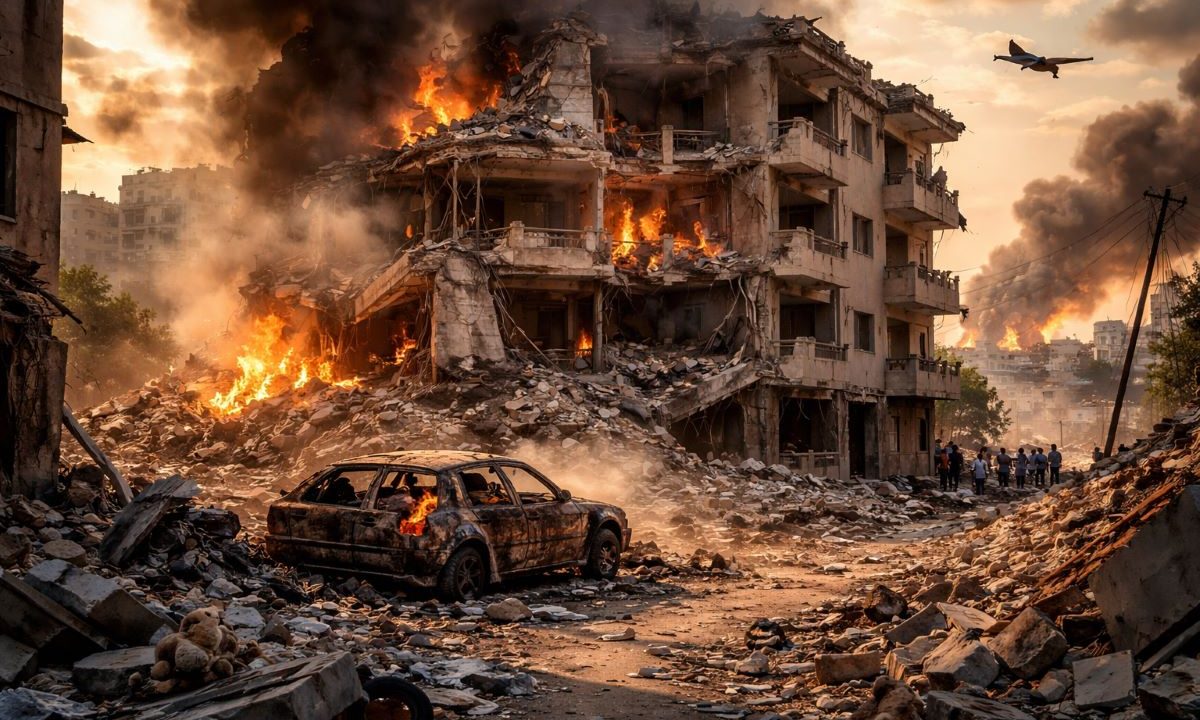
A deadly airstrike on the town of Al-Shihabiya in southern Lebanon’s Tyre district has left one person dead and four others injured, sending shockwaves through a region that was already navigating fragile security conditions. The strike hit a residential zone without warning, causing severe damage to homes and local infrastructure — and raising urgent questions for anyone planning to travel to or through southern Lebanon.
For travelers, tour operators, and the hospitality businesses that depend on visitor traffic, the incident is more than a headline. It represents a direct disruption to the flow of tourism in a part of Lebanon that has long struggled to maintain stability. The attack on Al-Shihabiya is the latest signal that conditions on the ground can change with no advance notice at all.
If you have travel plans connected to southern Lebanon — or if you’re monitoring the region for any reason — here is what is confirmed and what it means.
What Happened in Al-Shihabiya
The Israeli airstrike struck Al-Shihabiya, a town in the Tyre district of southern Lebanon. According to confirmed reports, the strike targeted a residential zone, resulting in one fatality and four injuries. The attack also caused widespread damage to homes and surrounding infrastructure.
Al-Shihabiya is described as a town typically home to families and daily commuters — not a military installation or contested zone in the conventional sense. The strike occurred without warning, which compounded the panic among both residents and any travelers who happened to be in the area at the time.
The Tyre district, where Al-Shihabiya is located, sits in the southern part of Lebanon — a region that has experienced repeated military activity as the broader conflict in the area continues to intensify. This latest strike adds to a growing pattern of incidents that are reshaping what travel and daily life look like across the south.
How the Strike Is Disrupting Tourism in Southern Lebanon
Southern Lebanon has never been an easy destination for international tourism, but pockets of the region — including areas near Tyre — have historically drawn visitors interested in ancient history, coastal scenery, and cultural heritage. That fragile tourism ecosystem is now under severe pressure.
The airstrike on Al-Shihabiya has had a direct impact on the local hospitality sector. When strikes hit residential areas without warning, the ripple effects move quickly through hotels, guesthouses, restaurants, and local transport operators who depend on visitor spending. Travelers already in the area face disrupted movement. Those planning trips are reconsidering or canceling entirely.
Officials and observers have noted that each new incident of this kind compounds the damage to tourism infrastructure — not just physically, but in terms of traveler confidence, which can take far longer to rebuild than a damaged road or building.
Key Facts at a Glance
| Detail | Confirmed Information |
|---|---|
| Location of strike | Al-Shihabiya, Tyre district, southern Lebanon |
| Fatalities confirmed | One person killed |
| Injuries reported | Four people injured |
| Type of area struck | Residential zone |
| Infrastructure impact | Severe damage to homes and local infrastructure |
| Warning given | None — strike occurred without warning |
| Sectors affected | Hospitality, local transport, tourism flow |
- The strike targeted a residential zone, not a designated military site
- Panic spread among both residents and travelers present at the time
- The incident reflects mounting risks for anyone traveling in or through southern Lebanon
- The conflict is described as intensifying across the southern Lebanon region more broadly
Who Is Most Affected Right Now
The most immediate victims are, of course, the residents of Al-Shihabiya — families who lost a neighbor, four people dealing with injuries, and a community facing the destruction of homes and the infrastructure they depend on every day.
Beyond the local population, the disruption extends outward. Travelers who were in the Tyre district at the time of the strike faced sudden uncertainty about their safety and their ability to move freely. Tour operators running itineraries through southern Lebanon are now managing cancellations and rerouting. Hotels and guesthouses in the region are seeing the kind of drop-off in bookings that follows any high-profile security incident.
Stranded tourists — those who were already in the region when the strike occurred — face a particularly difficult situation. With infrastructure damaged and panic affecting local transport, getting out of affected areas is not always straightforward. Travel disruption of this kind can leave visitors without clear guidance, reliable transport, or a safe route to Beirut or other exit points.
The broader tourism flow into southern Lebanon, already sensitive to regional tensions, is being further chilled by incidents like this one. Advocates for the region’s tourism sector argue that every strike on a residential area sends a message to the global travel market that the south is not safe — a message that lingers long after the immediate crisis passes.
What Travelers Should Know Before Visiting Southern Lebanon
The situation in southern Lebanon remains active and unpredictable. The strike on Al-Shihabiya is a clear reminder that military activity in the region can affect civilian areas without advance warning, and that travelers face real risks when moving through the Tyre district and surrounding areas.
Anyone with existing travel plans to southern Lebanon should monitor official government travel advisories from their home country before proceeding. Most Western governments have maintained elevated travel warnings for southern Lebanon for an extended period, and incidents like this one typically prompt updates to those advisories.
Travel insurance policies that cover conflict-related disruption are worth reviewing carefully. Travelers who find themselves stranded or affected by sudden military activity may find that standard policies do not cover all costs associated with emergency evacuation or trip interruption in conflict zones.
The hospitality sector in the region is absorbing significant losses, and local businesses are under enormous strain. Supporting responsible travel to Lebanon’s safer northern regions — Beirut, Byblos, the Bekaa Valley — may be a way to contribute to the country’s economy without placing yourself in an active conflict zone.
Frequently Asked Questions
Where exactly did the airstrike occur?
The strike hit the town of Al-Shihabiya, located in the Tyre district of southern Lebanon.
How many people were killed or injured in the Al-Shihabiya strike?
One person was confirmed killed and four others were injured in the attack.
Was there any warning before the strike?
According to confirmed reports, the strike occurred without warning, causing immediate panic among residents and travelers in the area.
Is it safe to travel to southern Lebanon right now?
The situation remains volatile and unpredictable. Travelers are strongly advised to consult their government’s official travel advisories before making any plans involving southern Lebanon.
How is the strike affecting tourism in the region?
The attack has disrupted the local hospitality sector, affected traveler movement, and is contributing to a broader decline in tourism flow across southern Lebanon as the conflict intensifies.
What should I do if I am already in southern Lebanon?
This has not been specifically addressed in the confirmed source material, but travelers in the region should contact their country’s embassy or consulate immediately and monitor local conditions closely for guidance on safe movement.




Leave a Reply