
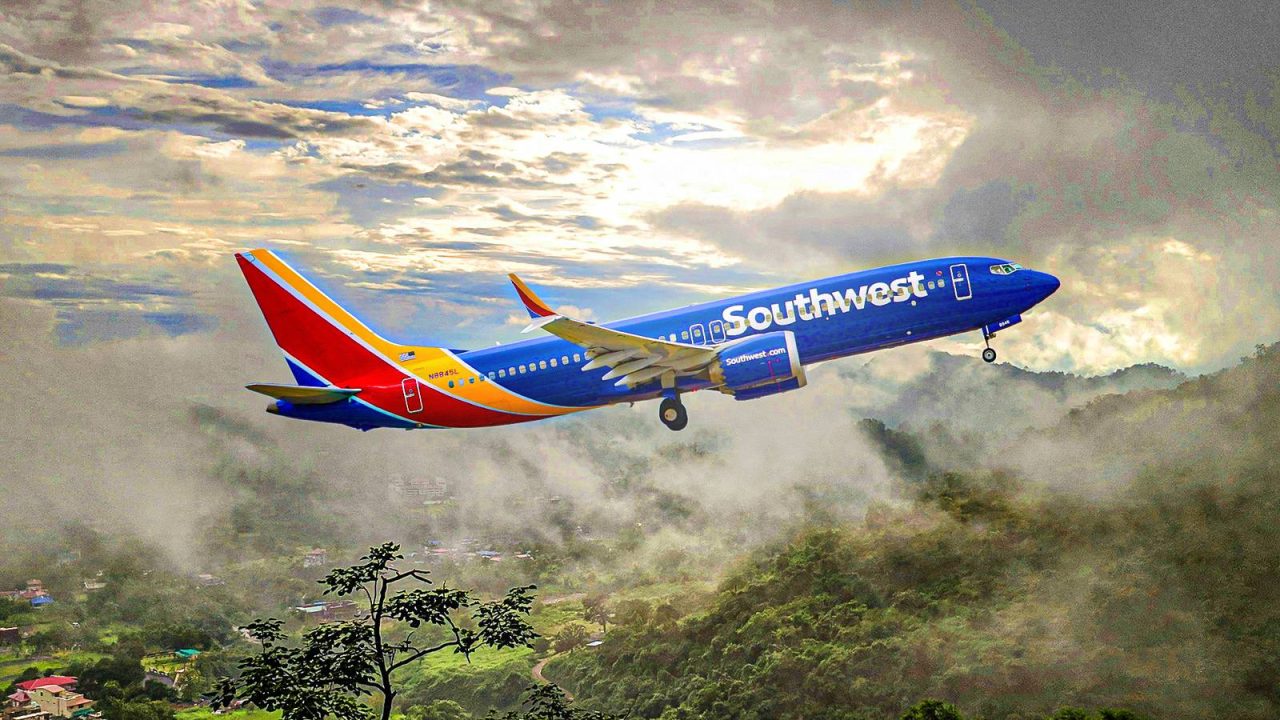
Southwest Airlines is rolling out nearly 50 new and returning routes across the United States, the Caribbean, and Mexico — one of the most ambitious network expansions the carrier has announced in recent memory. If you’ve been waiting for a more convenient or affordable way to reach a city you’ve had your eye on, this round of additions covers a remarkable stretch of American geography.
The expansion pulls together a wide range of cities on both ends of the route map. Austin, Cincinnati, Seattle, Baltimore, Pensacola, Oklahoma City, Kansas City, and San Juan are among the destinations being added or reconnected, while Indianapolis, Denver, Las Vegas, and others are serving as new departure points. The scale of this rollout signals that Southwest is making a deliberate push to capture more domestic travel demand while also strengthening its foothold in Caribbean and Mexican leisure markets.
For travelers, the practical meaning is straightforward: more nonstop or direct options, potentially lower fares through added competition, and new itineraries that previously required a connection or a different airline entirely.
What Southwest Is Actually Doing With This Expansion
The route additions aren’t a single launch — they represent a mix of brand-new city pairs that Southwest has never served and the return of routes that were previously suspended or discontinued. Both categories matter to travelers, because returning routes often come back with competitive pricing as the airline works to rebuild passenger volume on those corridors.
The geographic spread is notable. On the domestic side, the expansion reaches from the Pacific Northwest — with Seattle included — down through the Gulf Coast via Pensacola, across the Midwest through Cincinnati, Oklahoma City, Kansas City, and Indianapolis, and into the mid-Atlantic with Baltimore. Austin rounds out the Sunbelt presence. That’s not a regional play; it’s a national one.
On the international side, San Juan, Puerto Rico anchors the Caribbean piece, while Mexico adds another dimension for travelers looking at beach and resort destinations. Southwest has long been a major player in leisure travel, and this expansion leans directly into that strength.
Cities and Routes at the Center of the Expansion
The cities named in this expansion span nearly every region of the country. Here’s a structured look at the key destinations involved:
| City / Destination | Region | Role in Expansion |
|---|---|---|
| Austin, TX | South / Sunbelt | New or returning destination |
| Cincinnati, OH | Midwest | New or returning destination |
| Seattle, WA | Pacific Northwest | New or returning destination |
| Baltimore, MD | Mid-Atlantic | New or returning destination |
| Pensacola, FL | Gulf Coast | New or returning destination |
| Oklahoma City, OK | Midwest / South | New or returning destination |
| Kansas City, MO | Midwest | New or returning destination |
| San Juan, Puerto Rico | Caribbean | New or returning destination |
| Indianapolis, IN | Midwest | New departure hub / origin city |
| Denver, CO | Mountain West | New departure hub / origin city |
| Las Vegas, NV | Southwest | New departure hub / origin city |
| Mexico (multiple) | International | New or returning international routes |
Why This Matters for American Travelers Right Now
Route expansions of this size don’t happen in a vacuum. When an airline adds nearly 50 routes at once, it’s responding to something — and in this case, the signal is rising demand for domestic leisure travel and a competitive market where carriers are fighting for passengers heading to popular sun-and-fun destinations.
For travelers in Indianapolis, Denver, and Las Vegas specifically, the expansion means more choices flying out of your home airport. Fewer connections, less time in transit, and the possibility of introductory fares as Southwest competes for travelers who might otherwise choose a legacy carrier.
The Caribbean and Mexico additions are particularly relevant for families and couples planning warm-weather vacations. Southwest’s no-change-fee policy has historically made it a popular choice for leisure travelers who want flexibility, and adding San Juan and Mexican resort destinations to the mix expands that appeal significantly.
Cities like Pensacola, which has been a rising domestic leisure destination, benefit from increased air access that tends to drive down ticket prices over time. The same logic applies to smaller Midwest cities like Oklahoma City and Kansas City — more Southwest service typically means more competitive fares across the board, even on other airlines serving those markets.
What Comes Next for Southwest’s Network
Expansions of this scale are typically phased in over several months, with individual routes launching on different start dates depending on aircraft availability, slot approvals, and seasonal demand patterns. Travelers interested in specific city pairs should watch for Southwest’s official schedule releases, as booking windows tend to open well in advance of the actual launch dates.
The broader picture here is a Southwest Airlines that is actively growing its footprint rather than pulling back. The airline has faced significant operational and strategic pressures in recent years, and a move toward nearly 50 new and returning routes suggests a confident posture heading into the travel seasons ahead.
For the cities on the receiving end of this expansion, new Southwest service often triggers a ripple effect — local tourism boards tend to see increased visitor inquiries, hotels adjust inventory, and connecting ground transportation networks respond to the new traffic. That’s particularly meaningful for leisure-driven markets like Pensacola and San Juan.
If any of the named cities are on your travel radar, now is a smart time to monitor Southwest’s booking calendar. Early availability on new routes often comes with the most competitive pricing before demand catches up.
Frequently Asked Questions
How many new routes is Southwest launching in this expansion?
Southwest is launching nearly 50 new and returning routes as part of this expansion across the US, Caribbean, and Mexico.
Which cities are being added as destinations in this expansion?
Confirmed destinations include Austin, Cincinnati, Seattle, Baltimore, Pensacola, Oklahoma City, Kansas City, and San Juan, among others.
Which cities are gaining new departure routes?
Indianapolis, Denver, and Las Vegas are among the cities identified as new origin points for routes in this expansion.
Does the expansion include international routes?
Yes — Southwest is adding routes to the Caribbean, including San Juan, Puerto Rico, and to destinations in Mexico as part of the expansion.
When will the new Southwest routes be available to book?
Specific launch dates for individual routes have not been confirmed in available details; travelers should monitor Southwest’s official scheduling announcements for booking windows.
Why is Southwest expanding so aggressively right now?
The expansion appears designed to boost American tourism demand and capture growing interest in domestic leisure travel, Caribbean, and Mexico destinations.



Leave a Reply