
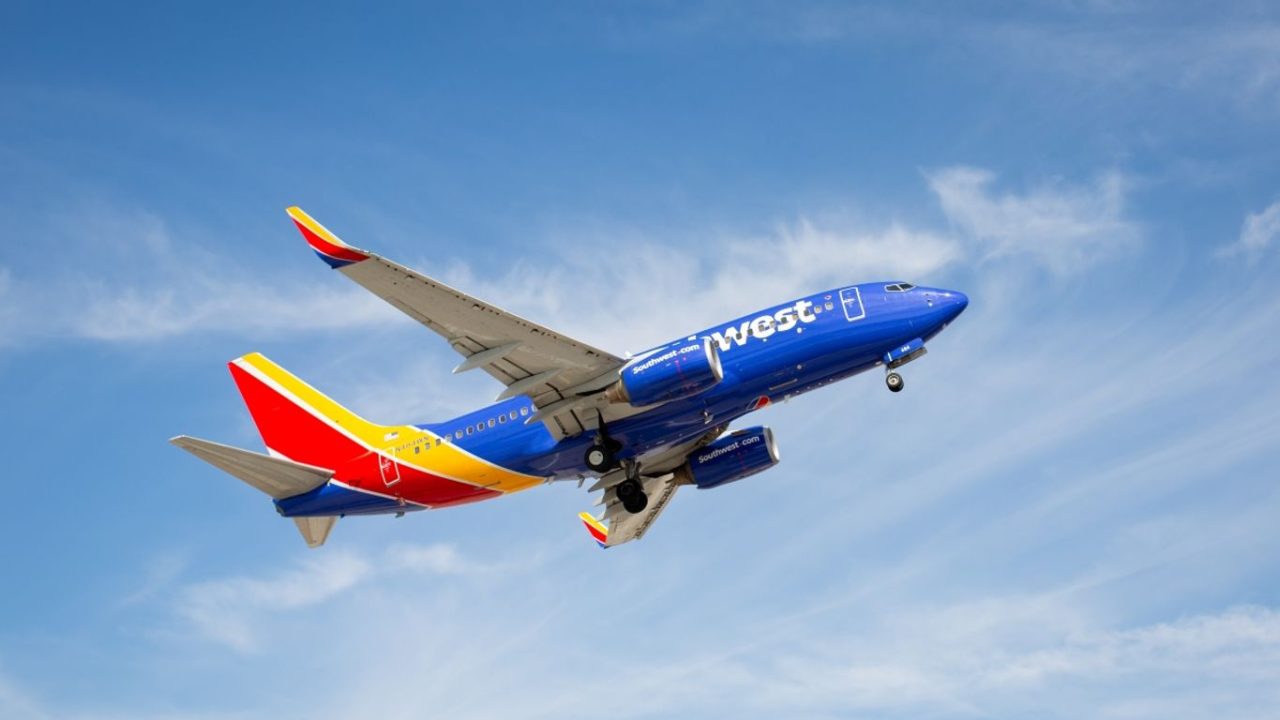
For years, Southwest Airlines passengers wanting to fly to Japan faced an unavoidable hassle: book one ticket with Southwest to reach a major gateway city, then separately book an international flight with another carrier — two reservations, two check-in processes, and no coordination if one leg ran late. That friction is now changing. In March 2026, Southwest Airlines and All Nippon Airways (ANA) officially launched a new interline partnership that links the two carriers’ networks under a single itinerary.
The deal means travelers can now combine Southwest’s extensive domestic U.S. routes with ANA’s international flights to Japan and other major Asian destinations — all on one booking, without the separate-ticket headache that has long complicated trans-Pacific travel for Southwest customers.
It’s a meaningful shift for both airlines and for the millions of American travelers who rely on Southwest to get to and from cities that don’t have direct international service.
What the Southwest and ANA Interline Partnership Actually Does
An interline agreement is a commercial arrangement between two airlines that allows them to issue tickets covering flights on both carriers within a single itinerary. That might sound like a technical back-office detail, but for travelers, the practical difference is significant.
Before this deal, a Southwest passenger flying from, say, a mid-size U.S. city to Tokyo would need to manage two completely separate bookings. If the Southwest flight was delayed, the international carrier had no obligation to accommodate the missed connection. With an interline agreement in place, the two airlines coordinate — meaning your luggage can be checked through to your final destination, and disruptions on one leg can be factored into the other.
The Southwest–ANA partnership works through shared U.S. gateway airports where both carriers operate. Travelers can build itineraries that use Southwest’s domestic network to reach those hubs, then connect onto ANA’s long-haul international flights to Tokyo and other major Asian cities. The result is a smoother, more connected experience that previously wasn’t available through Southwest.
Why This Deal Matters for U.S. Travelers Heading to Japan and Asia
Southwest operates one of the largest domestic networks in the United States, serving cities that often lack direct international connections. That’s both the airline’s strength and, historically, its limitation for travelers with international plans — Southwest simply didn’t fly overseas, and coordinating with international partners was cumbersome.
ANA, Japan’s national carrier and one of Asia’s most respected airlines, brings the long-haul reach that Southwest lacks. By pairing the two networks, the partnership creates new practical route options for leisure travelers, families visiting Japan, and business travelers moving between U.S. cities and Asian hubs.
The agreement also extends ANA’s effective reach deeper into the U.S. domestic market. Instead of passengers needing to reach only a handful of major international airports on their own, ANA can now tap into Southwest’s broader network of cities — making Japan and Asia more accessible from a wider range of American starting points.
Key Details of the Southwest–ANA Agreement
| Feature | Details |
|---|---|
| Partnership Type | Interline agreement |
| Launch Date | March 2026 |
| U.S. Carrier | Southwest Airlines |
| International Carrier | All Nippon Airways (ANA) |
| Connection Points | Shared U.S. gateway airports |
| Key Destinations Unlocked | Tokyo and other major Asian hubs |
| Booking Structure | Combined multi-airline itineraries on one booking |
| Target Travelers | Leisure and business travelers |
- Single itinerary booking: Travelers no longer need separate tickets for the domestic and international legs of their journey.
- Coordinated connections: The interline structure allows for better handling of delays and disruptions across both carriers.
- Through baggage potential: Interline agreements typically allow luggage to be checked through to the final destination, reducing the need to collect and re-check bags at the gateway airport.
- Expanded domestic access for ANA: ANA gains effective reach into U.S. cities beyond what its own flights serve.
- Broader international access for Southwest passengers: Southwest customers can now access Japan and major Asian destinations more seamlessly than before.
Who Benefits Most From This Partnership
The travelers with the most to gain are those living in U.S. cities that Southwest serves well but that don’t have their own direct international service to Asia. Think mid-sized metros across the South, Midwest, and Mountain West — cities where Southwest is often the dominant carrier but where nonstop flights to Tokyo simply don’t exist.
For those travelers, reaching Japan previously meant either driving or flying to a major hub like Los Angeles or San Francisco first — and managing that connection entirely on their own. Now, that domestic leg can be built into a single coordinated itinerary with the international flight.
Business travelers stand to benefit too. The ability to book a single itinerary with coordinated connections reduces the administrative friction of multi-carrier travel and provides more protection if a domestic flight runs behind schedule.
Leisure travelers planning trips to Japan — one of the world’s most popular long-haul destinations for Americans — now have a cleaner path to get there, particularly if they’re starting their journey somewhere other than a traditional international gateway.
What Comes Next for Southwest’s International Strategy
This partnership with ANA signals a broader shift in how Southwest is approaching international connectivity. The airline has historically focused almost entirely on domestic U.S. travel and short-haul international routes in the Americas. Linking up with a major Asia-Pacific carrier like ANA suggests Southwest is looking to extend its value to customers who want to travel farther — even if Southwest itself isn’t operating those long-haul flights.
For ANA, the deal deepens its footprint in the American market at a time when demand for U.S.–Japan travel continues to be strong. The partnership allows ANA to position itself as accessible from a wider range of American cities, which matters as competition among Asia-Pacific carriers for U.S. passengers remains intense.
Whether additional interline or codeshare arrangements follow — with ANA or other carriers — has not been confirmed. But the March 2026 launch of this agreement marks a clear step toward a more internationally connected future for Southwest travelers.
Frequently Asked Questions
What is the Southwest Airlines and ANA interline deal?
It is a partnership launched in March 2026 that allows travelers to book combined itineraries using Southwest’s domestic U.S. network and ANA’s international flights to Japan and other Asian destinations on a single ticket.
When did the Southwest–ANA partnership officially launch?
The interline agreement officially launched in March 2026.
Which destinations does the ANA partnership open up for Southwest travelers?
The partnership unlocks access to Tokyo and other major Asian hubs through shared U.S. gateway airports.
Do I still need to book two separate tickets to fly Southwest and then ANA?
No — the interline agreement allows travelers to book a single coordinated itinerary covering both the domestic Southwest leg and the international ANA flight.
Does this mean Southwest is flying to Japan?
No. Southwest is not operating flights to Japan. The deal connects Southwest’s domestic routes to ANA’s international flights at shared U.S. gateway airports, allowing for a seamless combined itinerary.
Is this a codeshare or a full partnership between the two airlines?
The agreement is described as an interline partnership, which allows coordinated ticketing across both carriers. Whether any deeper codeshare or frequent flyer arrangements are included has not been confirmed in the available information.



Leave a Reply