
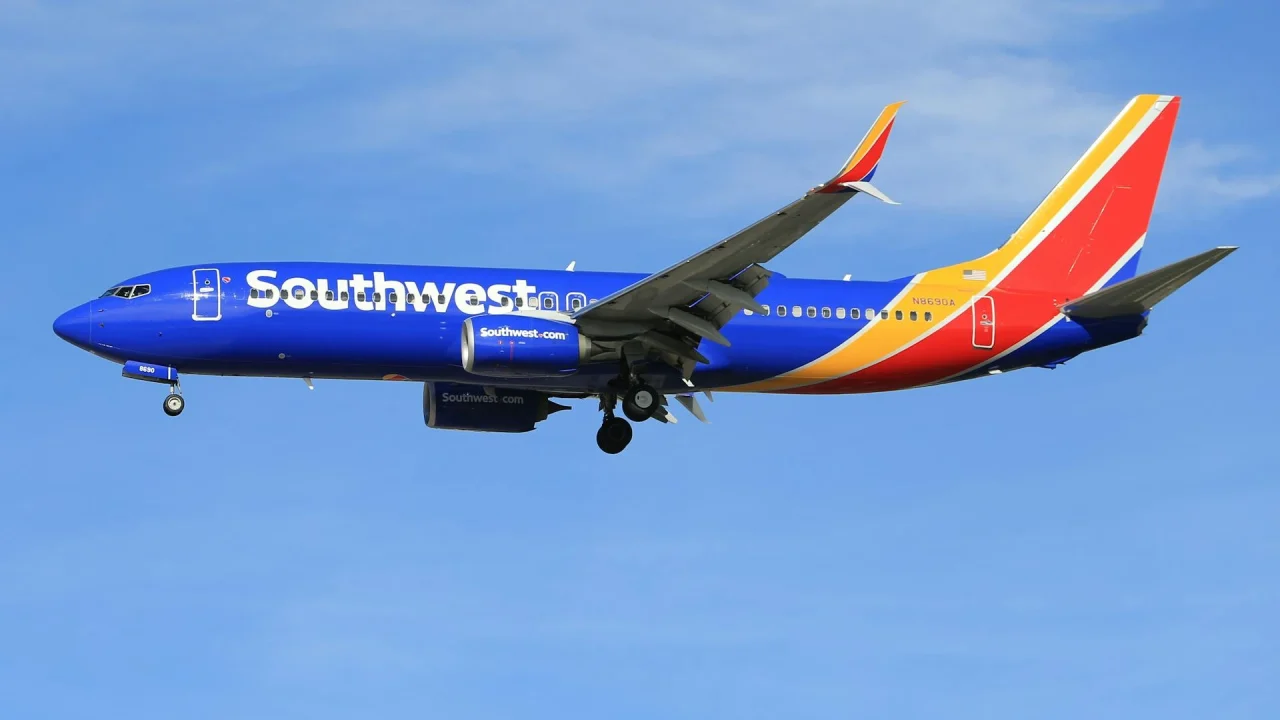
A federal complaint accusing Southwest Airlines of discriminating against passengers with severe food allergies was dismissed by the U.S. Department of Transportation in March 2026 — and the decision is already drawing sharp criticism from some of the country’s most prominent allergy advocacy groups.
The ruling clears Southwest of wrongdoing, but it doesn’t settle the bigger debate: should airlines be required to offer pre-boarding accommodations to passengers with any life-threatening food allergy, not just nut allergies? That question is still very much open — and for millions of Americans who fly with severe allergies, the answer matters enormously.
Here’s what happened, what was decided, and why allergy advocates say the fight isn’t over.
How Southwest’s Internal Miscommunication Sparked a Federal Complaint
The controversy began when Southwest Airlines temporarily removed passengers with nut allergies from its pre-boarding group. The change was the result of an internal miscommunication at the airline — not a deliberate policy shift — and Southwest restored the pre-boarding accommodation before any formal complaint had even been filed.
Despite that correction, four national advocacy organizations moved forward with a complaint to the DOT, arguing the incident revealed a deeper, more systemic problem with how airlines handle food allergy accommodations.
The groups that filed the complaint were:
- The Allergy & Asthma Network
- The Asthma and Allergy Foundation of America
- The Food Allergy & Anaphylaxis Connection Team
- No Nut Traveler
Their argument went beyond the original incident. They contended that Southwest’s policy of limiting pre-boarding accommodations specifically to nut allergy passengers — while excluding those with equally severe allergies to dairy, egg, shellfish, and other foods — amounted to unlawful discrimination under the Air Carrier Access Act (ACAA).
What the DOT’s Dismissal Actually Means
The Department of Transportation reviewed the complaint and dismissed it in March 2026. The DOT’s decision effectively found that Southwest had not violated the Air Carrier Access Act, the federal law that prohibits airlines from discriminating against passengers with disabilities.
Because Southwest had already corrected the pre-boarding policy before the complaint was filed, the DOT had little basis to find an ongoing violation. The miscommunication, once fixed, removed the most straightforward legal hook the advocacy groups needed.
But the dismissal didn’t resolve the advocacy groups’ broader argument — that singling out nut allergies for pre-boarding while excluding other severe food allergies is itself a form of unequal treatment. That argument raises a question the DOT did not definitively answer: does the ACAA require airlines to extend pre-boarding to passengers with all severe food allergies, not just some?
The Complaint That Went Further Than the Original Incident
What makes this case more than a bureaucratic footnote is what the advocacy groups were actually asking for. They weren’t simply seeking to restore what Southwest had briefly taken away. They were pushing for a broader interpretation of passenger rights — one that would require airlines to treat all severe food allergies equally when it comes to boarding accommodations.
The logic is straightforward: anaphylaxis from a shellfish allergy can be just as deadly as anaphylaxis from a nut allergy. If pre-boarding helps a nut allergy passenger wipe down their seat and surrounding area before other passengers board — reducing the risk of contact with allergen residue — that same protection arguably benefits passengers with any contact-triggering allergy.
Advocates argue that drawing a line between nut allergies and other severe food allergies creates a two-tiered system that leaves some of the most vulnerable air travelers without meaningful protection.
Key Facts at a Glance
| Detail | What the Source Confirms |
|---|---|
| Date of DOT dismissal | March 2026 |
| Airline involved | Southwest Airlines |
| Law cited in complaint | Air Carrier Access Act (ACAA) |
| Cause of the original dispute | Internal miscommunication at Southwest |
| When Southwest restored pre-boarding | Before the formal complaint was filed |
| Number of advocacy groups filing complaint | Four |
| Allergies covered by Southwest pre-boarding | Nut allergies |
| Allergies advocates sought to include | Dairy, egg, shellfish, and other severe food allergies |
Who This Affects — and Why Allergy Travelers Are Still Watching
For passengers who travel with severe food allergies, pre-boarding isn’t a comfort perk. It’s a safety measure. Getting onto the plane before other passengers allows allergy travelers to clean their seating area, speak with flight crew, and take steps to reduce their exposure to allergens before the cabin fills up.
Losing that window — even briefly — can represent a genuine health risk for someone who could go into anaphylactic shock from contact with allergen residue left by a previous passenger.
The advocacy groups that filed the complaint represent communities where these concerns are daily realities. Their push to extend pre-boarding protections reflects a broader frustration that airline accommodation policies haven’t kept pace with what medical science understands about the range and severity of food allergies.
For travelers with dairy, egg, or shellfish allergies, the DOT’s dismissal means the current situation remains unchanged. Southwest’s pre-boarding accommodation for nut allergy passengers stays in place, but no new requirement was created to extend similar protections to other allergy groups.
What Happens Next for Airline Allergy Policies
The DOT’s dismissal closes this specific complaint, but it doesn’t foreclose future action. Advocacy groups could pursue additional regulatory complaints, seek legislative changes, or continue public pressure campaigns aimed at pushing airlines and federal regulators to adopt broader, more inclusive allergy accommodation standards.
The Air Carrier Access Act remains the central legal framework governing disability accommodations in air travel, and how it applies to food allergies — particularly as the medical understanding of those allergies continues to evolve — is likely to remain a contested area.
For now, Southwest Airlines has been cleared. But the question the advocacy groups raised — whether all severe food allergies deserve equal treatment under federal air travel law — didn’t disappear with the complaint.
Frequently Asked Questions
Why did the DOT dismiss the complaint against Southwest Airlines?
The DOT dismissed the complaint in March 2026 after finding that Southwest had not violated the Air Carrier Access Act. The airline had already restored its pre-boarding accommodation for nut allergy passengers before the formal complaint was even filed.
What caused the original dispute with Southwest?
An internal miscommunication at Southwest Airlines temporarily moved nut allergy passengers out of the pre-boarding group. The airline corrected the error before any complaint was lodged.
Which organizations filed the complaint against Southwest?
The complaint was filed by four advocacy groups: the Allergy & Asthma Network, the Asthma and Allergy Foundation of America, the Food Allergy & Anaphylaxis Connection Team, and No Nut Traveler.
What were the advocacy groups actually asking for?
The groups argued that pre-boarding accommodations should be extended to passengers with all severe food allergies — including dairy, egg, and shellfish — not just nut allergies.
Does Southwest Airlines still offer pre-boarding for nut allergy passengers?
Yes. According to
Could the advocacy groups take further action?



Leave a Reply