
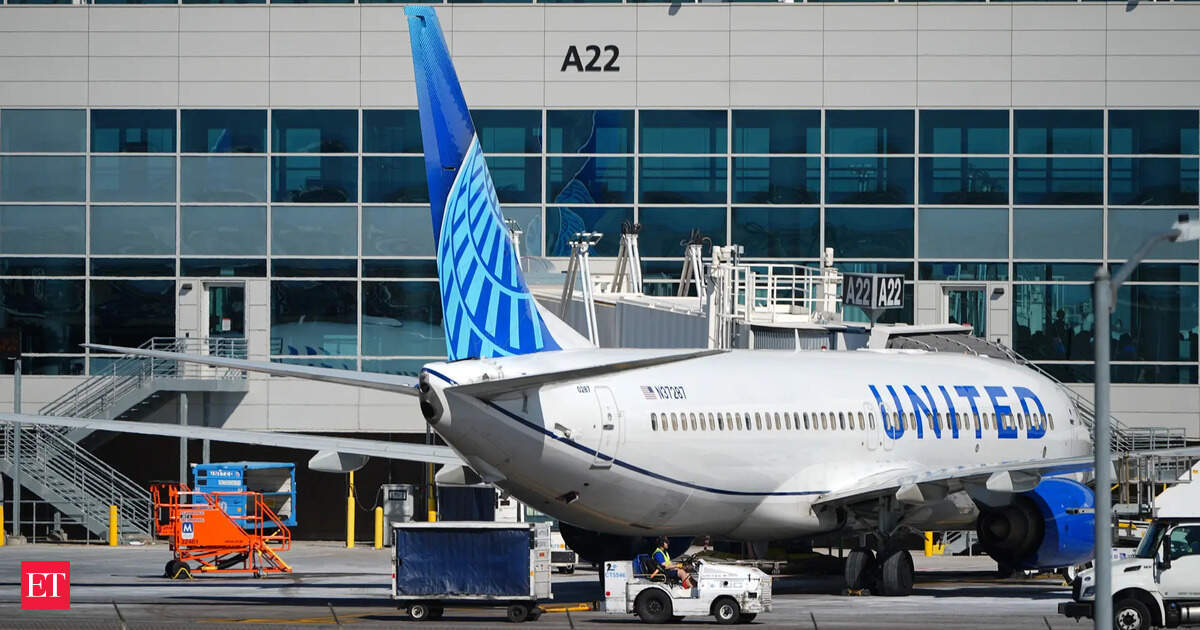
Hundreds of flights are set to disappear from United Airlines’ schedule between April and September 2026 — and the reason stretches far beyond any single airline’s balance sheet. The escalating conflict involving Iran, Israel, and the United States is reshaping air travel in ways that millions of passengers are only beginning to feel.
United Airlines has confirmed it will reduce its flight schedule by 5% in response to surging jet fuel costs driven by the ongoing Middle East crisis. The cuts are expected to affect thousands of travelers, particularly those with plans to fly to and from Europe, the Middle East, and Asia.
For anyone with bookings in that window — or anyone planning to make them — this is a situation worth understanding fully before you buy a ticket.
Why United Airlines Is Cutting Hundreds of Flights
The core issue is fuel. As the Middle East conflict intensifies, key air corridors in the region have narrowed or closed entirely, forcing airlines to reroute flights over longer, less efficient paths. That burns more fuel. And fuel, already expensive, is becoming dramatically more so.
Jet fuel prices could reach as high as $175 per barrel, according to reporting on the situation. That kind of cost pressure doesn’t leave airlines with many options. They can absorb the losses, pass costs onto passengers through higher fares, or cut the routes that simply aren’t generating enough revenue to justify the expense.
United Airlines has chosen that third path — trimming the routes where demand is lowest and margins are thinnest, in an effort to protect the financial viability of its broader network.
Which Flights Are Being Cut — and Why Those Specific Routes
United isn’t pulling back uniformly across its entire network. The airline is being strategic about where it makes cuts, focusing on:
- Midweek flights, which typically carry fewer passengers than weekend departures
- Overnight routes, which are often harder to fill and more expensive to operate
- Destinations with lower overall demand, where the revenue generated doesn’t justify the elevated fuel cost
The regions most directly affected are those already disrupted by the conflict itself — Europe, the Middle East, and Asia — where routing changes caused by airspace restrictions are adding the most significant cost burden.
| Factor | Detail |
|---|---|
| Schedule reduction | 5% of United Airlines’ total flight schedule |
| Timeframe | April to September 2026 |
| Projected fuel cost | Up to $175 per barrel |
| Routes most affected | Midweek, overnight, and low-demand destinations |
| Regions impacted | Europe, Middle East, and Asia |
| Cause | Airspace restrictions and closures tied to Middle East conflict |
The Bigger Picture: What Airspace Restrictions Actually Mean for Travelers
When people think about a conflict affecting air travel, they often imagine direct danger — planes flying through contested airspace. But the disruption is more systemic than that, and its effects ripple outward in ways that are less obvious.
When vital air corridors close, airlines can’t simply take the same route they always have. They have to go around — sometimes significantly around. A flight that once took ten hours might now take twelve. That extra time means extra fuel, extra crew hours, and extra wear on aircraft. Multiply that across hundreds of flights daily, and the financial impact becomes enormous.
The conflict involving Iran, Israel, and the US has been particularly disruptive in this regard, with key corridors in the region narrowing as the situation has intensified. Airlines like United are not the only ones navigating this pressure — carriers across the globe with routes through or near the affected region are facing similar calculations.
For travelers, this translates into a few very practical realities: fewer flight options, potentially higher ticket prices on the routes that remain, and a greater chance that your preferred departure time or connection simply won’t exist anymore.
What This Means If You Have a Booking — or Are Planning One
If you already have a United Airlines booking for travel between April and September 2026 on routes to or from Europe, the Middle East, or Asia, it’s worth checking your itinerary sooner rather than later. Airlines typically notify affected passengers when their specific flight is cancelled, but monitoring your booking directly gives you more time to find alternatives before seats fill up on remaining flights.
For those still in the planning stage, a few things are worth keeping in mind:
- Midweek and overnight flights on long-haul routes are most at risk of being cut
- Flexible booking options or refundable fares may be worth the extra cost given the uncertainty
- Destinations in or near the Middle East carry additional uncertainty beyond just United’s schedule
- Other airlines serving similar routes may also be reassessing their schedules under the same fuel pressures
Travel insurance that covers trip disruption — including flight cancellations caused by airline operational decisions — is something travelers heading to affected regions should seriously consider at this point.
What Happens Between Now and September
The situation remains fluid. The scale of United’s cuts — and the cuts other airlines may announce in the coming weeks — will depend heavily on how the Middle East conflict develops and whether airspace restrictions ease or tighten further.
Fuel prices at or near $175 per barrel would represent a significant strain on airline economics globally, not just for United. If prices reach that level and stay there, further schedule reductions across the industry are a real possibility. Conversely, any de-escalation in the region that reopens key air corridors could ease the pressure relatively quickly.
For now, the clearest signal is this: United Airlines has already made the call that hundreds of flights are not worth operating under current conditions. That decision is unlikely to be reversed unless the underlying fuel cost equation changes substantially.
Frequently Asked Questions
How many flights is United Airlines cancelling?
United Airlines has announced plans to cancel hundreds of flights between April and September 2026, representing a 5% reduction in its overall schedule.
Why is United Airlines cutting these flights?
The cuts are driven by soaring jet fuel costs caused by disruptions from the ongoing Middle East conflict, including the closure and narrowing of key air corridors in the region.
Which routes and destinations are most affected?
Flights to and from Europe, the Middle East, and Asia are most affected, with particular cuts targeting midweek flights, overnight routes, and destinations with lower passenger demand.
How high could jet fuel prices go?
According to reports on the situation, jet fuel prices could reach as high as $175 per barrel as a result of the ongoing conflict’s disruption to supply and routing.
Will other airlines also cancel flights?
This has not been confirmed in
What should I do if I have a booking on an affected route?
Check your itinerary directly with United Airlines and consider flexible or refundable fare options if you are still planning travel to Europe, the Middle East, or Asia during this period.




Leave a Reply