
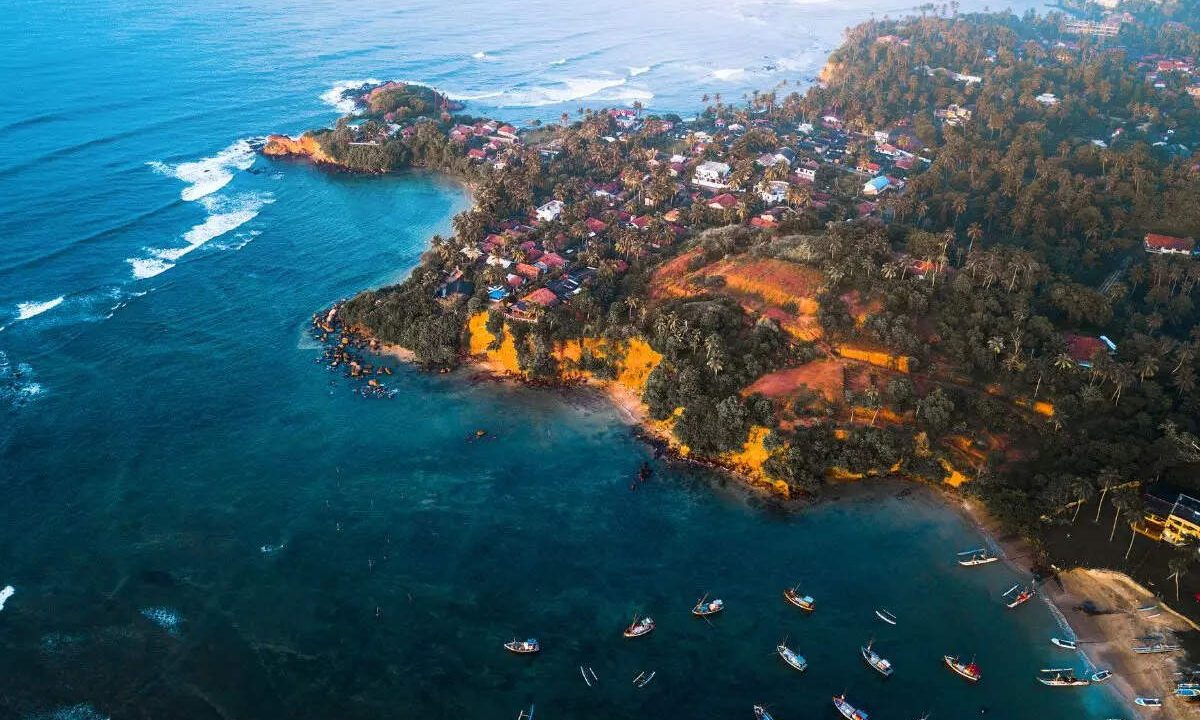
Sri Lanka is quietly rewriting the rules of luxury travel in South Asia — and Indian travelers are taking notice. The island nation, long admired for its beaches, ancient temples, and spice-scented hill country, is now positioning itself as a destination where world-class hospitality meets genuine cultural warmth, all at a price point that makes the experience feel like a discovery rather than an indulgence.
What makes this moment significant is the growing conversation among hospitality leaders about what “luxury” actually means in this part of the world. A high-profile industry panel brought together senior representatives from some of the region’s most recognized hotel brands — including Cinnamon Hotels & Resorts, ITC Hotels, Taj, Marriott, Galle Face Hotel, Hilton, and Jetwing — to address exactly that question. The event, moderated by Bhuvanesh Khanna, CEO of BW Communities, marked a milestone as the first international episode of the DIVERSEY-BW Hotelier The GM Show to broadcast from Sri Lanka.
The panel’s framing was direct: Value Luxury vs Ultra Luxury: Sri Lanka’s Competitive Advantage. The title alone signals something important — that Sri Lanka isn’t trying to compete with Dubai or the Maldives on sheer extravagance. It’s making a different argument entirely.
What Sri Lanka’s Luxury Proposition Actually Looks Like
The island’s appeal to Indian travelers begins the moment they land. Industry leaders at the panel described a travel experience that feels personal and unhurried — attentive service from the airport through Colombo’s urban landscape and into the mountain regions and quieter coastal stretches beyond.
This isn’t accidental. Sri Lanka’s hospitality sector has made a deliberate effort to blend international service standards with a distinctly South Asian sensibility. For Indian travelers in particular, that familiarity carries real weight. There’s a cultural proximity — in food, in faith, in the rhythm of daily life — that makes Sri Lanka feel both exotic and accessible in a way few other destinations can claim.
The panel also addressed how the island is threading the needle between two very different kinds of luxury traveler: those seeking the prestige of ultra-premium experiences, and those who want genuine quality without the premium markup. Sri Lanka, the discussion suggested, has found a way to serve both — often within the same property or destination corridor.
The Brands and the Backing: Who Is Investing in Sri Lanka
The roster of brands represented at the panel tells its own story. When Taj, Marriott, Hilton, ITC Hotels, and heritage properties like Galle Face Hotel are all at the same table discussing a destination’s competitive advantage, that’s not a coincidence — it reflects genuine commercial confidence in the market.
| Hotel Brand / Group | Presence in Sri Lanka | Focus Area |
|---|---|---|
| Cinnamon Hotels & Resorts | Represented at panel | Local heritage and luxury positioning |
| ITC Hotels | Represented at panel | South Asian luxury hospitality |
| Taj | Represented at panel | Premium and heritage travel |
| Marriott | Represented at panel | International luxury standards |
| Galle Face Hotel | Represented at panel | Historic colonial-era luxury |
| Hilton | Represented at panel | Global brand with local delivery |
| Jetwing | Represented at panel | Sustainability and eco-luxury |
Jetwing’s inclusion is particularly worth noting. The brand has long been associated with sustainable tourism practices, and its presence in this conversation reflects a broader shift in how Sri Lanka’s hospitality sector is thinking about its future. Sustainability isn’t a marketing add-on here — it’s becoming a structural part of how the island competes.
Why Indian Travelers Are the Target Audience Right Now
India represents one of the most significant and fastest-growing outbound tourism markets in the world, and Sri Lanka’s geographic proximity — combined with direct flight connectivity and no time zone adjustment — makes it a natural draw for Indian travelers looking to step up their travel experiences.
But the appeal goes deeper than convenience. The panel’s framing around “value luxury” speaks directly to a segment of Indian travelers who are increasingly sophisticated in their expectations. They want curated experiences, genuine service, and properties with character — but they’re also acutely aware of what things cost, and they respond to destinations where quality and value coexist without compromise.
Sri Lanka, the industry leaders argued, delivers exactly that. The combination of internationally recognized hotel brands, a landscape that moves from ancient cultural sites to highland tea estates to Indian Ocean coastline, and a hospitality culture rooted in genuine warmth gives the island a proposition that’s genuinely hard to replicate.
- Sri Lanka offers world-class hotel brands including Taj, Marriott, and Hilton within a culturally familiar South Asian environment.
- Indian travelers benefit from geographic proximity, direct connectivity, and no significant time zone difference when visiting Sri Lanka.
- Heritage properties like Galle Face Hotel provide historic colonial luxury alongside newer internationally branded options.
- Ultra-luxury destinations typically command significantly higher price premiums without the cultural familiarity Sri Lanka offers Indian travelers.
- Long-haul ultra-luxury travel requires greater time investment, higher flight costs, and more complex logistics for Indian travelers.
- Many ultra-luxury destinations lack the South Asian cultural resonance and warmth that Sri Lanka's hospitality sector is built around.
What This Means for the Future of Sri Lanka Tourism
The fact that this panel was the first international episode of its kind to broadcast from Sri Lanka signals something beyond the event itself. It suggests that the island has reached a threshold of credibility in the luxury travel conversation — credible enough to host a regional discussion, credible enough to attract the participation of major global brands, and credible enough to make a case that other destinations in the region need to take seriously.
For Sri Lanka, the opportunity is to build on this momentum. The ingredients are in place: the hotel brands, the landscape, the cultural heritage, the sustainability credentials through operators like Jetwing, and a growing Indian traveler base that is actively looking for exactly what the island offers.
The next step, industry observers suggest, is consistency — ensuring that the quality of experience matches the quality of the conversation being had about it. If the island can deliver on that promise at scale, the luxury tourism story here is only just beginning.
Frequently Asked Questions
Which hotel brands are actively involved in Sri Lanka’s luxury tourism push?
The brands represented in recent industry discussions include Cinnamon Hotels & Resorts, ITC Hotels, Taj, Marriott, Galle Face Hotel, Hilton, and Jetwing.
What does “value luxury” mean in the context of Sri Lanka?
It refers to Sri Lanka’s ability to offer high-quality, internationally branded hospitality experiences at a price point that delivers genuine value — positioned between budget travel and ultra-premium destinations.
Why is Sri Lanka specifically targeting Indian travelers?
India is a major outbound travel market, and Sri Lanka’s geographic proximity, cultural familiarity, and direct connectivity make it a natural and compelling choice for Indian travelers seeking quality experiences.
Is sustainability a focus for Sri Lanka’s luxury hotels?
Yes — operators like Jetwing have long prioritized sustainable and eco-conscious tourism, and sustainability is increasingly part of the broader positioning of Sri Lanka’s hospitality sector.
Who moderated the industry panel discussing Sri Lanka’s luxury advantage?
The panel was moderated by Bhuvanesh Khanna, CEO of BW Communities, as part of a special international edition focused on Sri Lanka’s competitive position in luxury travel.
Does Sri Lanka cater to both value-conscious and ultra-luxury travelers?
Based on the industry discussion, Sri Lanka’s hospitality sector is actively working to serve both segments, often within the same destination or property portfolio.



Leave a Reply