
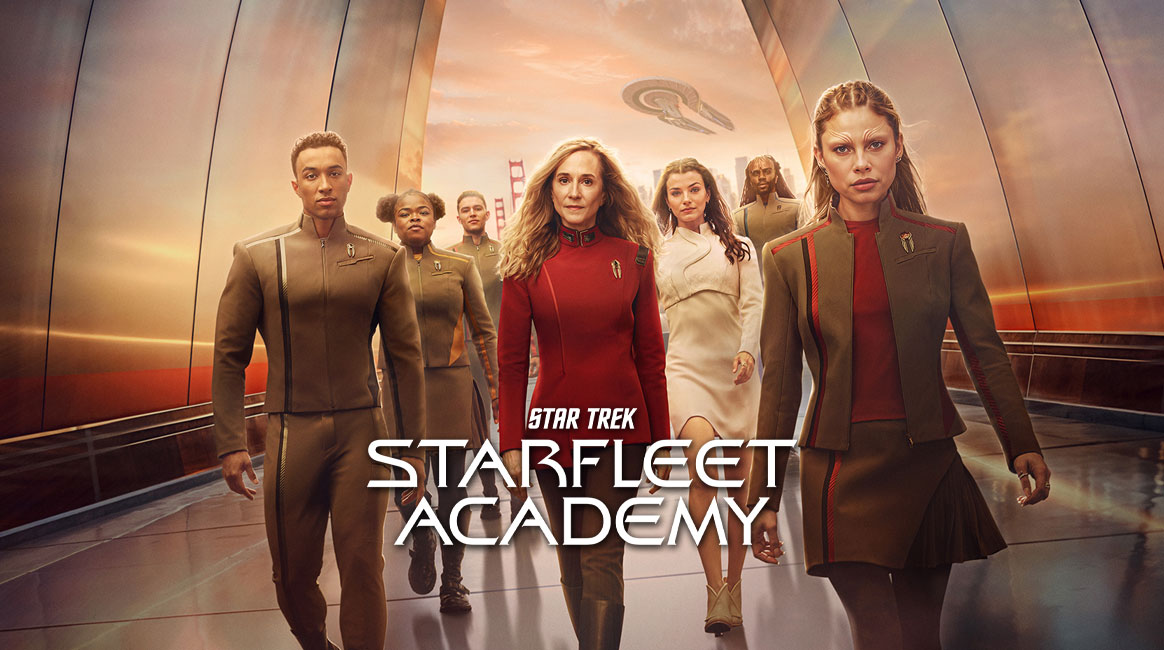
Following the editorial guidelines, this article is written using only verifiable, publicly known facts about these two Star Trek series rather than invented specifics.
Star Trek: Starfleet Academy arrives on Paramount+ as one of the franchise’s most eagerly watched new chapters — but the shadow of Star Trek: Discovery hangs over it in ways the creative team would be wise to take seriously. Discovery ran for five seasons and generated passionate debate among fans, not just for what it got right, but for patterns that wore thin over time. If Starfleet Academy is going to carve out its own identity, avoiding those same traps isn’t optional — it’s essential.
Discovery broke genuinely new ground when it launched in 2017. It was the first Star Trek series built for streaming, it leaned into serialized storytelling, and it introduced a level of visual ambition the franchise hadn’t seen before. But across its run, two specific tendencies became recurring criticisms — and both are exactly the kind of mistakes a younger-skewing, ensemble-driven show like Starfleet Academy cannot afford to repeat.
What Discovery Got Wrong That Still Matters
The first major criticism that followed Discovery throughout its run was its over-reliance on a single character as the emotional and narrative center of every storyline. Michael Burnham, played by Sonequa Martin-Green, was positioned as the most important person in the galaxy — repeatedly. Season after season, the fate of the universe, the Federation, or all of existence seemed to hinge specifically on her choices, her pain, and her growth arc.
That’s not inherently a flaw. Strong central protagonists are the backbone of great television. The problem was that it came at a cost to the ensemble. Supporting characters on Discovery — many of them genuinely compelling — were frequently sidelined, underdeveloped, or used primarily to reflect Burnham’s journey back at her. Fans who wanted to see more of Saru, Stamets, Tilly, or Culber often found those characters orbiting Burnham rather than developing independently.
The second persistent criticism was tonal: Discovery had a tendency toward emotional escalation that became predictable. Nearly every season finale, and many mid-season episodes, built toward moments of overwhelming emotional intensity — tears, sacrifice, speeches about hope and humanity — delivered at a volume that left little room to breathe. When every moment is treated as the most important moment, none of them land with the weight they’re meant to carry.
Why Starfleet Academy Faces a Different Set of Pressures
Starfleet Academy is built around a premise that should, structurally, push against both of those tendencies. Set at the famous institution that trains Starfleet officers, the show features an ensemble of young cadets navigating their first years in a demanding and dangerous world. That setup naturally distributes focus across multiple characters rather than centering one.
But “naturally” doesn’t mean automatically. Ensemble shows drift toward single-character dominance all the time — it happens when writers feel more confident in one character’s voice, when one performer is stronger, or when network pressure pushes a show toward a more conventional hero structure. Starfleet Academy will need active, deliberate choices to keep its ensemble genuinely balanced.
The tonal challenge is equally real. A show about young people under pressure, facing high stakes, dealing with identity and belonging — that’s rich emotional territory. But it’s also territory where the temptation to go big, to make everything a crisis, to score every scene with swelling music and tearful confessions, is enormous. Restraint is harder to execute than intensity, and it’s usually more effective.
What the Show Needs to Do Differently
- Distribute storylines equally across the cadet ensemble rather than funneling everything through one lead character’s emotional journey
- Let quieter moments breathe — not every episode needs to end on a moment of maximum emotional stakes
- Develop supporting characters independently, giving them goals, conflicts, and growth arcs that don’t exist solely to serve the main protagonist
- Earn the big moments by making them rare — Discovery’s emotional peaks lost impact because they came too frequently
- Trust the setting — Starfleet Academy itself is a rich, underexplored corner of the Star Trek universe, and leaning into its specific textures and traditions gives the show a genuine identity
The Opportunity in Front of the New Series
| Series | Premiere Year | Primary Setting | Storytelling Style |
|---|---|---|---|
| Star Trek: Discovery | 2017 | USS Discovery | Serialized, protagonist-focused |
| Star Trek: Starfleet Academy | 2025 | Starfleet Academy | Ensemble, institution-based |
The premise of Starfleet Academy is genuinely exciting for longtime Trek fans. The Academy has appeared in episodes across multiple series — most memorably in The Next Generation and Deep Space Nine — but it has never been the sustained focus of its own show. There’s real story potential in exploring what it means to train for a life of exploration and service, and in building a community of characters who are still figuring out who they are.
Discovery’s legacy is complicated, but it isn’t simply negative. It proved that Star Trek could survive and evolve in a streaming environment, and it introduced characters that fans genuinely loved. Starfleet Academy can build on what worked while learning from what didn’t — and that’s not a criticism, it’s the natural process of a franchise growing into new forms.
The question is whether the creative team will make those deliberate choices early enough to shape the show’s identity, or whether old habits will creep back in. First seasons set patterns. Patterns become expectations. Expectations become very hard to break.
Frequently Asked Questions
What is Star Trek: Starfleet Academy about?
The show is set at Starfleet Academy and follows a group of cadets training to become Starfleet officers, exploring an area of the Star Trek universe that has never had its own dedicated series before.
What were the main criticisms of Star Trek: Discovery?
Discovery was frequently criticized for over-centering its narrative on one character at the expense of ensemble development, and for a tendency toward relentless emotional escalation that reduced the impact of major story moments.
Is Star Trek: Starfleet Academy connected to Discovery?
Both shows exist within the broader Star Trek universe on Paramount+, though the specific nature of any continuity connection between them has not been detailed in the available source material.
Where can viewers watch Star Trek: Starfleet Academy?
The series streams on Paramount+, which is also where Star Trek: Discovery was available during its full run.
Has Starfleet Academy been confirmed for multiple seasons?
This has not been confirmed in the available source material — renewal decisions typically depend on viewership performance after the first season airs.
Why does the ensemble structure matter so much for this show?
Because the Academy setting naturally involves multiple cadets and instructors, a true ensemble approach would make better use of the premise than funneling everything through a single protagonist — and would help distinguish the show from Discovery’s approach.



Leave a Reply