Starhotels Bets on Unified Leadership to Reshape Luxury Travel
Starhotels promotes Alexandro Della Croce to CCO, unifying sales, revenue, and marketing across 34 luxury properties in a major commercial restructure.
Starhotels Bets on Unified Leadership to Reshape Luxury Travel
Audio Briefing~1:05
Click play to listen to key points
▶ Read transcript
Here’s what you need to know about a major structural shift happening inside one of Europe’s leading luxury hotel groups.
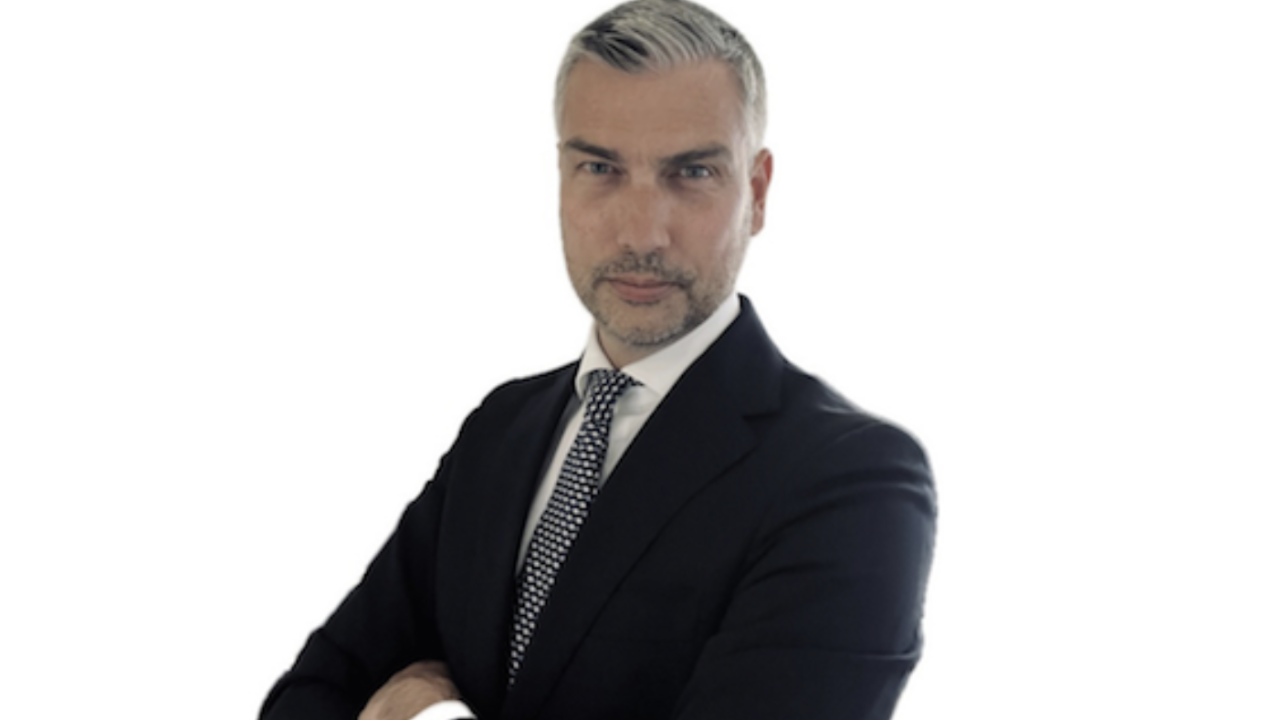
Starhotels, which operates 34 properties across Italy, Europe, and New York, has appointed Alexandro Della Croce as its first-ever Chief Commercial Officer. The move brings together revenue management, sales, distribution, and marketing under one unified leadership role for the first time in the company’s history.
For decades, these functions operated in separate silos, with little coordination between them. That fragmentation became increasingly costly as post-pandemic travel demand grew unpredictable and online booking platforms tightened their grip on the industry.
The core idea here is that luxury hospitality no longer competes on product quality alone. Real-time alignment across pricing, sales, and marketing has become a genuine competitive advantage.
If you work in hospitality or invest in travel brands, watch how this unified model performs over the next few years. It could become the new blueprint for how luxury hotel groups are built to compete.
The lobby of a luxury hotel in Milan hums with quiet efficiency. A concierge anticipates a guest’s question before it’s asked. A revenue manager adjusts pricing in real time. A sales director closes a corporate account three time zones away. These functions feel seamless from the outside, but behind the scenes, they have often operated in silos — separate teams, separate goals, separate languages.
That fragmentation is exactly what Starhotels is now moving to dismantle. And the person handed the task is Alexandro Della Croce, newly elevated to Chief Commercial Officer.
The Old Assumption About Luxury Hotel Growth
Most people assume that luxury hotel brands grow by adding properties, upgrading amenities, or chasing five-star ratings. The logic is intuitive: more rooms, better design, higher thread counts. Prestige, the thinking goes, sells itself.
This belief shapes how the industry is often covered. New hotel openings dominate travel headlines. Architectural renderings go viral. Celebrity partnerships generate buzz. The commercial machinery underneath — revenue management, distribution strategy, sales alignment — rarely gets a mention.
For decades, that machinery was also largely invisible inside hotel companies themselves. Sales teams chased group bookings. Revenue managers optimized nightly rates. Marketing built brand narratives. Each department reported upward through its own chain of command, often with little coordination across functions.
KEY TAKEAWAY
Starhotels is unifying revenue management, sales, distribution, and marketing under a single Chief Commercial Officer for the first time across all 34 of its properties — a structural shift that signals how luxury hospitality is rethinking growth.
Why the Siloed Model Is Cracking Under Pressure
The hospitality industry has changed faster in the past five years than in the previous twenty. Post-pandemic travel demand surged unpredictably. Online travel agencies tightened their grip on distribution. Direct booking strategies became a competitive battleground. Loyalty programs grew more sophisticated.
In that environment, a fragmented commercial structure is not just inefficient — it is actively costly. When revenue management sets a rate that sales hasn’t been briefed on, or when marketing promotes an offer that distribution hasn’t activated, the guest experience suffers. So does the bottom line.
IMPORTANT
Luxury hotel brands now compete not just on product quality but on commercial agility. The ability to align pricing, sales, and marketing signals in real time has become a measurable advantage — and most legacy structures were not built for that speed.
Starhotels recognized this pressure. The group, which operates 34 properties across Italy, Europe, and New York, had the portfolio and the reputation. What it needed was a unified commercial voice to carry that portfolio into its next growth phase.
That is where Della Croce comes in. His promotion is not a routine reshuffle. It is a deliberate architectural decision about how the company wants to compete.
Commercial Function
Old Structure
New Unified Structure
Revenue Management
Separate department, own reporting line
Integrated under CCO leadership
Sales
Led independently by Diego Rumazza
Coordinated within cross-functional team
Distribution
Managed separately from marketing
Aligned with revenue and brand strategy
Marketing
Brand-focused, limited commercial integration
Directly tied to commercial performance goals
What Alexandro Della Croce Will Actually Do Across 34 Properties
The title of Chief Commercial Officer sounds impressive. The substance behind it at Starhotels is equally significant. According to Hospitalitynet, the appointment reflects the group’s ongoing commitment to strengthening its senior leadership structure with a clear commercial mandate.
Starhotels Commercial Functions: Before vs. After Restructure
Integration scores by department
Sales (Diego Rumazza)
3
7
Revenue Management
2
6
Distribution & E-commerce
4
8
Marketing & Brand
3
7
Before Restructure
After Restructure
Source: Hospitalitynet, Boutique Hotel News, Hotel Owner
Della Croce will oversee a cross-functional commercial team spanning all 34 Starhotels properties. That team brings together sales, led by Diego Rumazza, alongside revenue management, distribution, and marketing — functions that previously operated with less coordination. The goal is a single, coherent commercial strategy applied consistently across the portfolio.
⚡What Would You Do?
You are a corporate travel manager responsible for negotiating hotel rates for a 500-person company. Starhotels has just restructured its commercial leadership, consolidating all decision-making under a new CCO. Your current contract is up for renewal in 90 days. Do you move quickly to renegotiate under the new structure, wait to see how it settles, or shift volume to a competing luxury group?
Proactive
You engage early, potentially securing favorable terms before the new team locks in its commercial priorities. Risk: the new structure may not yet have its pricing strategy fully defined.
Cautious
You gain clarity on how the unified team operates and what terms it prioritizes. Risk: your current contract lapses and you lose negotiating leverage during the transition window.
Risky
You avoid uncertainty entirely. Risk: you may miss improved partnership terms that often accompany major leadership restructures, and lose an established relationship.
Starhotels Commercial Restructure Impact Score
8.2/10
Based on portfolio size (34 properties), breadth of functions unified (4 core commercial disciplines), and strategic timing relative to the group’s growth phase. A score above 8 indicates a structurally significant leadership move with measurable long-term commercial implications.
34
Starhotels properties now operating under unified commercial leadership for the first time
4
Core commercial functions — sales, revenue management, distribution, and marketing — now integrated under one CCO
This structure matters because luxury hospitality is not a single market. A Starhotels property in Florence competes differently than one in London or New York. Rates, demand patterns, corporate travel volumes, and leisure booking windows vary dramatically by city and season.
Starhotels Commercial Leadership: Before and After
BEFORE
Sales, revenue management, distribution, and marketing operated as separate departments with independent reporting lines. Cross-functional coordination was limited, creating potential gaps in pricing consistency and partner alignment across 34 properties.
AFTER
All four commercial functions now report through Chief Commercial Officer Alexandro Della Croce. A unified cross-functional team operates across all 34 Starhotels properties with a single, coherent commercial strategy covering rates, sales, channels, and brand.
A unified commercial function does not mean a one-size-fits-all approach. It means that the people setting rates, closing group contracts, managing online channels, and building brand campaigns are all working from the same strategic playbook. That alignment is what makes the difference between a hotel group that reacts to the market and one that shapes it.
“Starhotels promotes Alexandro Della Croce to Chief Commercial Officer, signaling an aggressive global growth push and a sharper focus on integrated commercial strategy across its luxury portfolio.”
— The Traveler
The Broader Pattern in Luxury Hospitality Leadership
Starhotels is not operating in isolation. The move mirrors a broader trend reshaping how premium hotel groups structure their leadership. The old model — a Chief Marketing Officer here, a VP of Revenue there, a Sales Director somewhere else — is giving way to consolidated commercial roles with broader mandates.
The logic is straightforward. When one person owns the entire revenue-generating ecosystem of a hotel group, accountability sharpens. Trade-offs between short-term rate optimization and long-term brand positioning get made at the same desk, not across departmental boundaries.
2025
The year Starhotels made its most significant commercial leadership restructure, positioning the group for its next growth phase across Europe and beyond
For Starhotels specifically, the timing is deliberate. The group has been building its portfolio steadily, with properties in Italy’s major cities, key European capitals, and a flagship presence in New York. The infrastructure is in place. What the next phase requires is commercial precision, not just expansion.
Della Croce’s elevation signals that Starhotels believes the next competitive advantage will be won in the commercial engine room, not in the design studio or the kitchen.
Sales, revenue management, distribution, and marketing operated as separate functions with limited cross-team coordination across the 34-property portfolio.
The Appointment
Alexandro Della Croce elevated to Chief Commercial Officer, with a mandate to lead a unified cross-functional commercial team spanning all properties.
The New Structure
Diego Rumazza continues leading sales within the integrated team. Revenue management, distribution, and marketing now operate under a single commercial strategy directed by Della Croce.
The Goal
Drive Starhotels’ next phase of growth by aligning all commercial levers — pricing, partnerships, channels, and brand — into one coherent strategy.
What This Means for Travelers, Partners, and the Industry
For travelers, the practical impact of this restructure may not be immediately visible. You will not notice a new org chart when you check into a Starhotels property in Rome. But you will likely notice the effects over time.
Unified commercial leadership tends to produce more consistent pricing across booking channels. It reduces the frustrating experience of finding wildly different rates on the hotel’s own website versus a third-party platform. It also tends to sharpen loyalty program value, because the teams managing direct bookings and those managing brand experience are finally speaking the same language.
💡 Tip: If you are a frequent Starhotels guest or a corporate travel manager with properties in this group’s portfolio, now is a good time to revisit your direct booking agreements and loyalty arrangements. Restructures like this often come with refreshed commercial terms and new partnership incentives as the group aligns its strategy.
For travel industry partners — corporate accounts, travel management companies, online travel agencies — the signal is equally clear. Starhotels is consolidating its negotiating voice. Future partnership conversations will involve a more integrated counterpart, one who can speak simultaneously to rate strategy, volume commitments, and marketing co-investment.
For the broader industry, Starhotels’ move adds momentum to a structural shift already underway. The era of the siloed hotel commercial function is ending. The groups that will define luxury hospitality over the next decade are those building the internal architecture to compete as a unified commercial organism, not a collection of departments with loosely shared branding.
Alexandro Della Croce has been handed the blueprint. The real question is not whether Starhotels has made the right structural call — most evidence suggests it has. The question is how quickly the rest of the industry follows, and whether the guests who fill those 34 properties will ever know how much the machinery behind their seamless stay has changed.
This is an illustrative scenario — not financial or professional advice. Consult a qualified professional for your situation.
The Editorial Team is the named, credentialed group responsible for every article on this site. Each piece is researched by a section editor, reviewed by a credentialed practitioner where the topic warrants it, and signed off by the Editor in Chief before publication. The corrections process is public; named editors are accountable.



Leave a Reply