
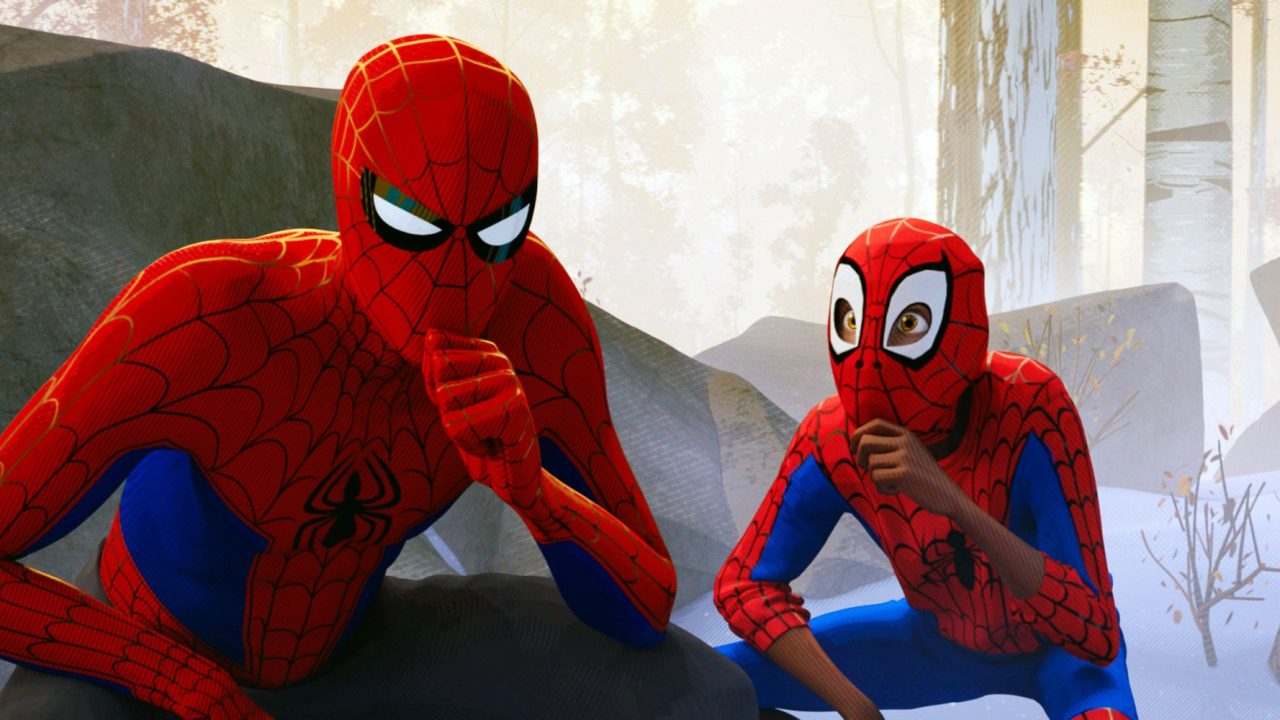
Superhero movies get dismissed as popcorn entertainment more often than they deserve. But a closer look at the genre’s best entries reveals something harder to argue with: some of these films are genuinely exceptional pieces of cinema, built with the same craft and intention as any prestige drama.
The conversation around whether superhero films “count” as serious filmmaking has gone on for years. What often gets lost in that debate is that the genre has produced movies with remarkable cinematography, layered performances, tight screenwriting, and directorial vision that would stand up in any genre. A handful of these films don’t just entertain — they demonstrate what skilled filmmaking actually looks like.
Since
Why Superhero Films Deserve to Be Taken Seriously as Cinema
The argument against superhero movies as “real” filmmaking usually focuses on their commercial nature — the franchise obligations, the studio interference, the merchandise. And those pressures are real. But they don’t automatically produce bad filmmaking, and they haven’t stopped certain directors from making genuinely great movies within the genre.
Christopher Nolan’s The Dark Knight (2008) is the film most often cited when this conversation comes up, and for good reason. It operates as a crime thriller as much as a superhero movie, with a screenplay that builds genuine moral tension and a performance from Heath Ledger as the Joker that remains one of the most discussed in modern cinema history. The film’s practical effects, its use of IMAX cameras, and its refusal to treat its audience as passive spectators all mark it as serious work.
But The Dark Knight isn’t the only entry worth examining closely.
Films That Demonstrate Real Filmmaking Craft
Several superhero movies stand apart from the rest of the genre not because of their box office performance but because of the specific craft decisions that went into making them.
- Spider-Man: Into the Spider-Verse (2018) — An animated film that genuinely reinvented what animation could look like on screen. The directors pushed against every convention of the form, using different visual styles for different characters and creating a film that film scholars continue to analyze.
- Logan (2017) — James Mangold’s film stripped the superhero genre down to its bones and built a Western-inflected character study in its place. Shot with a restrained visual palette and anchored by Hugh Jackman’s career-best performance, it proved the genre could carry genuine emotional weight.
- The Dark Knight (2008) — Nolan’s use of IMAX, practical effects, and a morally complex script set a standard the genre has rarely matched.
- Batman v Superman: Dawn of Justice — Ultimate Edition (2016) — Controversial on release, but Zack Snyder’s director’s cut is increasingly recognized for its visual ambition and thematic density, whatever one thinks of its narrative choices.
- Black Panther (2018) — Ryan Coogler brought a filmmaker’s eye to the MCU, grounding the film in a specific cultural identity and using production design and costume work that earned genuine industry recognition, including an Academy Award.
- Unbreakable (2000) — M. Night Shyamalan’s film predates most of the modern superhero era and remains one of the most quietly constructed entries in the genre, using stillness and framing to build dread and meaning.
- The Incredibles (2004) — Brad Bird’s Pixar film works as a superhero movie, a family drama, and a satire simultaneously. Its screenplay is a model of efficient, layered storytelling.
- Watchmen (2009) — Snyder’s adaptation of Alan Moore and Dave Gibbons’ landmark graphic novel is a formally ambitious film that deconstructs the genre it inhabits.
What These Films Have in Common
| Film | Director | Notable Craft Element | Year |
|---|---|---|---|
| The Dark Knight | Christopher Nolan | IMAX cinematography, practical effects, moral complexity | 2008 |
| Spider-Man: Into the Spider-Verse | Persichetti, Ramsey, Rothman | Groundbreaking animation design | 2018 |
| Logan | James Mangold | Character-driven restraint, R-rated emotional honesty | 2017 |
| Black Panther | Ryan Coogler | Cultural specificity, Oscar-winning production design | 2018 |
| Unbreakable | M. Night Shyamalan | Visual stillness, subversive genre deconstruction | 2000 |
| The Incredibles | Brad Bird | Layered screenplay, tonal balance | 2004 |
| Watchmen | Zack Snyder | Formal ambition, source fidelity | 2009 |
The common thread running through all of them is directorial intention. These aren’t films where a capable director showed up and executed a studio blueprint. Each one reflects a distinct vision — a filmmaker making specific choices about how a scene is lit, how a character is framed, what music underscores a moment and why.
What the Best Superhero Films Teach About Storytelling
The lessons these films offer aren’t exclusive to the genre. Logan is a lesson in how stripping away spectacle can make an audience feel more, not less. Into the Spider-Verse is a lesson in how visual language can carry emotional meaning that dialogue alone cannot. The Incredibles is a lesson in how to serve multiple audiences simultaneously without condescending to any of them.
These are the same skills that define great filmmaking in any genre. The superhero framework doesn’t diminish them — in some cases, the genre’s constraints force filmmakers to solve storytelling problems more creatively than an unrestricted drama might require.
The genre has also produced genuine artistic failures, and plenty of them. The argument here isn’t that all superhero movies are good. It’s that dismissing the entire genre misses the films that genuinely earned their place in any serious conversation about contemporary cinema.
Frequently Asked Questions
Which superhero film is most often cited as a filmmaking achievement?
The Dark Knight (2008), directed by Christopher Nolan, is consistently referenced as the high-water mark for craft in the genre, recognized for its IMAX cinematography, practical effects, and morally complex screenplay.
Has any superhero film won a major Academy Award?
Yes. Spider-Man: Into the Spider-Verse won the Academy Award for Best Animated Feature in 2019, and Black Panther won three Oscars including Best Costume Design and Best Production Design at the 2019 ceremony.
Are animated superhero films included in discussions of serious filmmaking?
They are, and increasingly so — Spider-Man: Into the Spider-Verse in particular is studied for its revolutionary approach to animation style and visual storytelling.
Did any of these films perform well critically as well as commercially?
Several did. The Dark Knight, Black Panther, and Into the Spider-Verse all received strong critical scores and significant box office returns, suggesting the two are not mutually exclusive.
Is Unbreakable considered a superhero film?
It is widely recognized as one, though it predates the modern superhero era — M. Night Shyamalan’s film is often described as one of the most grounded and formally precise origin stories ever made in the genre.
What makes a superhero movie a “masterclass” in filmmaking?
Critics and film scholars generally point to intentional directorial vision, strong performance direction, cinematographic craft, and screenwriting that operates on more than one level simultaneously — all qualities present in the films listed here.


Leave a Reply